7 Best Map Creation Techniques for Immersive Experiences
Maps aren’t just lines and labels anymore. You’re living in an era where cartographers blend photography, audio, video, and interactive elements to create immersive experiences that tell stories beyond traditional boundaries.
Whether you’re designing for urban planning, educational content, or digital storytelling, incorporating diverse media transforms static maps into dynamic tools that engage audiences and communicate complex information more effectively.
Your next mapping project deserves more than standard pins and polygons—it needs the creative power of multimedia integration to truly connect with users and deliver meaningful insights.
Disclosure: As an Amazon Associate, this site earns from qualifying purchases. Thank you!
P.S. check out Udemy’s GIS, Mapping & Remote Sensing courses on sale here…
Incorporate Traditional Paper and Ink Techniques
Traditional paper and ink methods offer tactile authenticity that digital tools can’t replicate. These time-tested techniques create unique textures and organic imperfections that enhance your map’s visual appeal and storytelling power.
Hand-Drawn Illustrations and Calligraphy
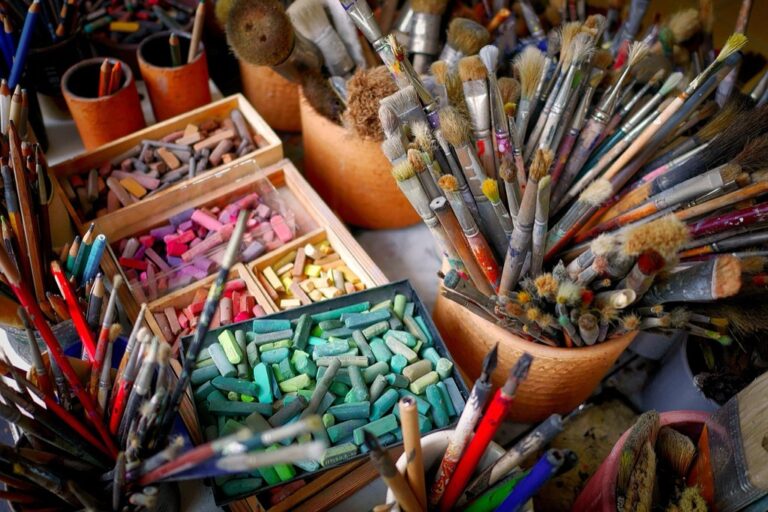
Hand-drawn elements add personal character to your cartographic work through deliberate imperfection and artistic flair. You’ll create more engaging maps by sketching topographic features, settlement patterns, or decorative compass roses directly onto your base materials. Calligraphy transforms standard labels into expressive design elements that reflect your map’s historical period or cultural context. Technical pens like Sakura Pigma Micron or Rotring Rapidograph provide consistent line weights for professional results.
[lasso id=”7200″]
Watercolor and Acrylic Paint Applications
[lasso id=”16032″]
Watercolor techniques produce natural color gradations perfect for elevation changes, vegetation zones, or climate patterns across your mapped territory. You’ll achieve subtle atmospheric effects by layering transparent washes that digital gradients struggle to match authentically. Acrylic paints offer opaque coverage for bold geographic features like political boundaries or urban areas requiring high contrast. Winsor & Newton professional watercolors and Golden Heavy Body acrylics provide archival quality for long-term map preservation.
Mixed Media Collage Elements
Mixed media approaches combine multiple materials to create dimensional depth and textural variety in your cartographic compositions. You’ll enhance storytelling by incorporating fabric samples representing regional textiles, sand for desert regions, or pressed botanical specimens from mapped ecosystems. Archival adhesives like PVA or YES paste ensure long-term stability while preserving material integrity. This technique works especially well for educational maps where tactile elements support kinesthetic learning styles.
Utilize Digital Photography and Image Overlays
Digital photography transforms traditional cartographic methods by adding visual context that enhances geographic understanding. Modern mapmakers leverage photographic elements to create compelling visual narratives that connect viewers directly with mapped locations.
Aerial Photography Integration
Drone-captured imagery provides unparalleled detail for topographic mapping projects. You’ll achieve precise geographic registration by using ground control points and GPS coordinates during flight missions. Software tools like Pix4D and DroneDeploy streamline the orthorectification process, enabling accurate overlay alignment with existing GIS datasets. Professional cartographers frequently combine multiple flight altitudes to capture both broad landscape context and detailed surface features within a single mapping composition.
[lasso id=”17207″]
Texture Photography for Backgrounds
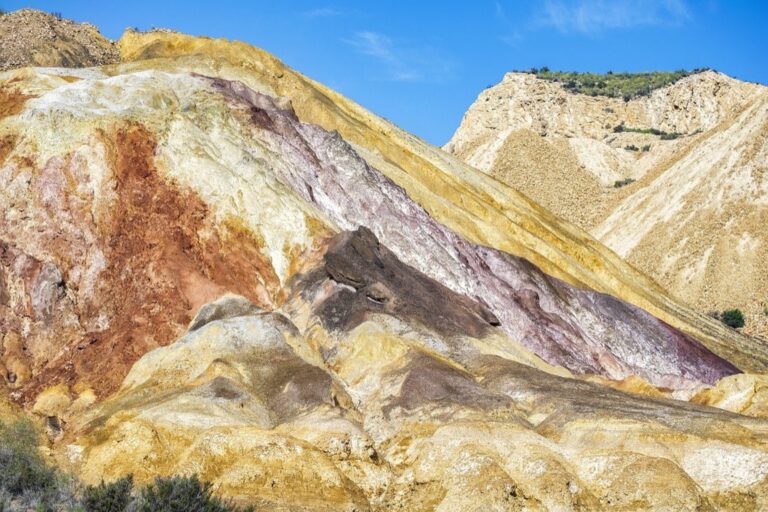
Surface texture photography adds authentic visual depth to digital map backgrounds. You can capture high-resolution images of natural materials like stone, wood, or weathered paper to create unique cartographic foundations. Adobe Photoshop’s blend modes allow seamless integration of these photographic textures with vector map elements. Successful texture application requires careful attention to opacity settings and color correction to maintain map readability while preserving the organic visual character that photographs provide.
[lasso id=”16024″]
Historical Photo Documentation
Archival photography integration supports temporal mapping analysis and storytelling applications. You’ll source historical images from local archives, museums, and government repositories to document landscape changes over time. Georeferencing tools in ArcGIS Pro enable precise placement of historical photographs within contemporary map frameworks. This approach proves particularly valuable for urban planning projects and cultural heritage mapping, where visual documentation of past conditions provides essential context for current geographic analysis.
Experiment With Fabric and Textile Materials
Fabric and textile materials introduce tactile mapping dimensions that digital formats cannot replicate. These materials offer unique texture variations and dimensional possibilities for creating engaging geographic representations.
Embroidered Geographic Features
Embroidered geographic features create precise cartographic detail through thread-based techniques. You’ll achieve accurate contour representation using French knots for elevation points and chain stitches for river systems. Silk threads provide smooth water feature definition while cotton threads work effectively for mountain ranges and forest boundaries. Cross-stitch techniques enable grid-based coordinate systems with consistent spacing measurements.
[lasso id=”16095″]
Woven Patterns for Topographical Elements
Woven patterns effectively represent terrain variations through textile structure manipulation. You can create elevation changes using tight weaves for valleys and loose weaves for highland areas. Basket weave patterns simulate agricultural field layouts while twill patterns represent slope gradients accurately. Different fiber weights within single compositions enable topographic relief representation through varying textile densities.
Felt and Canvas Map Bases
Felt and canvas map bases provide durable foundations for multi-layered cartographic projects. Canvas materials support heavy media applications including paint overlays and fabric attachments while maintaining dimensional stability. Wool felt enables precise cutting for administrative boundaries and offers natural water resistance for outdoor educational applications. These materials accept various marking tools from fabric markers to embroidery threads.
Integrate Three-Dimensional Sculptural Elements
Three-dimensional sculptural elements transform flat cartographic representations into tactile geographic experiences that engage multiple senses simultaneously.
Clay and Ceramic Landform Models
Clay modeling creates accurate topographic representations through malleable materials that support precise elevation adjustments. You’ll achieve detailed contour modeling by building up clay layers to match Digital Elevation Model (DEM) data from USGS sources. Ceramic firing preserves these landform models permanently, creating durable educational tools that withstand repeated handling. Professional cartographers use polymer clay for smaller-scale projects and earthenware for larger installations requiring weatherproof characteristics.
Wood Carving for Elevation Details
Wood carving delivers precise elevation details through layered relief techniques that highlight topographic variations effectively. You’ll create stepped relief maps by routing basswood or pine layers at specific contour intervals, typically 10-50 feet depending on your project scale. CNC routing ensures mathematical precision when transferring elevation data from GIS platforms like ArcGIS Pro directly to wood substrates. Hand-finishing techniques add organic textures that represent natural terrain features like rock formations and forest canopy density.
Metal Wire for Boundary Demarcation
Metal wire establishes clear boundary demarcation through flexible materials that maintain structural integrity across curved surfaces. You’ll use 16-gauge copper or brass wire to delineate political boundaries, property lines, and administrative districts with precision. Wire installation requires careful planning to avoid interference with other map elements while maintaining geographic accuracy within survey-grade tolerances. Professional installations often incorporate LED lighting systems that follow wire pathways, creating illuminated boundary displays for public exhibitions and educational demonstrations.
Harness Interactive Digital Media Technologies
Digital mapping tools now offer unprecedented opportunities to create dynamic, responsive cartographic experiences. You’ll transform static representations into engaging interactive platforms that respond to user input and environmental data.
Augmented Reality Map Overlays
Augmented reality transforms traditional maps into immersive experiences by overlaying digital information onto physical geographic features. You can use AR platforms like ARCore or ARKit to display real-time data such as elevation profiles, historical boundaries, or infrastructure details when users point their devices at specific locations. Deploy AR markers on printed maps to trigger 3D models, population statistics, or environmental monitoring data. This technology proves particularly effective for field surveys and educational applications where spatial context enhances understanding.
QR Code Information Points
QR codes create instant access bridges between physical maps and digital content repositories. You’ll strategically place these codes at key geographic locations to link users to detailed datasets, multimedia presentations, or real-time sensor feeds. Modern QR generators allow customization with logos and colors that integrate seamlessly with your cartographic design. Position codes near complex features like watershed boundaries or transportation hubs where additional explanation enhances map comprehension. Each code can direct users to specific URLs containing interactive charts, historical photographs, or updated demographic information.
Animated Geographic Transitions
Animated transitions reveal temporal patterns and spatial relationships that static maps cannot effectively communicate. You can create smooth morphing sequences showing urban development over decades, seasonal vegetation changes, or migration patterns using tools like D3.js or Adobe After Effects. Time-lapse animations work particularly well for displaying hydrological changes, population density shifts, or climate data variations. Export animations as GIF files for web integration or MP4 formats for presentation use, ensuring frame rates remain between 24-30 fps for optimal viewing experience.
Combine Audio and Sound Design Elements
Audio integration transforms static cartographic displays into multisensory mapping experiences that engage audiences beyond visual perception. Professional mapping projects increasingly incorporate sound design to convey geographic information through auditory channels.
Ambient Soundscapes for Regions
Ambient soundscapes create immersive geographic atmospheres that connect users emotionally to mapped locations. You’ll record environmental audio samples like ocean waves for coastal regions, forest sounds for woodland areas, and urban traffic patterns for metropolitan zones. Digital audio workstations like Audacity or Pro Tools enable you to layer multiple sound sources, creating authentic regional audio signatures. These soundscapes should loop seamlessly at 16-bit, 44.1kHz quality to maintain professional standards while keeping file sizes manageable for web-based mapping applications.
Spoken Narration for Historical Context
Spoken narration provides detailed historical information that complements visual cartographic elements without cluttering map displays. You’ll script concise narrative segments focusing on significant events, demographic changes, or cultural developments tied to specific geographic locations. Professional voice recording requires quality microphones and audio editing software to eliminate background noise and maintain consistent volume levels. Each narration segment should run 30-60 seconds to preserve user attention while delivering essential historical context that enhances geographic understanding.
Musical Themes for Cultural Areas
Musical themes represent distinct cultural regions through carefully selected audio compositions that reflect local traditions and heritage. You’ll choose instrumental pieces or traditional melodies that authentically represent different cultural zones without stereotyping or oversimplification. Copyright-free music libraries like Freesound.org or commissioned original compositions ensure legal compliance for commercial mapping projects. Musical selections should complement rather than compete with other map elements, using moderate volume levels and fade transitions between different cultural boundary areas.
Explore Unconventional Material Applications
Push beyond traditional mapping boundaries by incorporating unexpected materials that create unique tactile and visual experiences. These unconventional approaches often produce the most memorable and engaging cartographic displays.
Food-Based Mapping Materials
Edible cartography transforms geographic education through consumable map elements that engage multiple senses simultaneously. You can create topographic models using layered cake structures where each tier represents different elevation zones. Spices like paprika and turmeric provide authentic color coding for desert regions and agricultural areas. Cookie dough becomes an excellent medium for creating dimensional geographic features that participants can modify and consume during interactive mapping sessions. These materials work particularly well for cultural geography projects where food represents regional characteristics.
Natural Elements Like Sand and Stones
Sand-based mapping offers unparalleled texture authenticity for coastal and desert terrain representation. You’ll find that different sand types create distinct visual effects – volcanic sand for mountainous regions and fine beach sand for lowland areas. River stones can be arranged to show watershed patterns and drainage systems with remarkable accuracy. Salt crystals work exceptionally well for representing snow-covered peaks and glacial formations. These natural materials maintain their geographic relevance while providing tactile feedback that enhances spatial understanding.
Recycled and Upcycled Object Integration
Repurposed materials create environmentally conscious mapping projects while reducing production costs significantly. Bottle caps become perfect markers for population centers when color-coded by demographic data. Cardboard packaging transforms into layered relief maps through strategic cutting and stacking techniques. Electronic waste components like circuit boards can represent urban infrastructure networks and transportation systems. Magazine pages provide colorful collage elements for thematic mapping projects focused on cultural or economic themes.
Conclusion
Your mapping projects deserve the creative freedom that diverse media provides. Whether you’re incorporating traditional watercolors or cutting-edge AR technology each medium brings unique storytelling capabilities to your cartographic work.
These seven approaches aren’t just techniques—they’re pathways to deeper audience engagement. From tactile fabric maps that invite touch to interactive digital overlays that respond to user input you now have tools to transform static geography into dynamic experiences.
The most powerful maps combine multiple media types strategically. Don’t limit yourself to one approach when your story demands more. Experiment with these techniques and watch your geographic narratives come alive in ways traditional mapping simply can’t achieve.
Frequently Asked Questions
What makes modern maps different from traditional ones?
Modern maps have evolved from simple representations to immersive multimedia experiences. They now incorporate photography, audio, video, and interactive elements to engage audiences more effectively. While traditional maps focused on basic geographic information, contemporary mapping integrates diverse media to convey complex information and create emotional connections with users.
Why should I consider using traditional materials like paper and ink for mapping?
Traditional materials offer unique tactile authenticity and textures that digital tools cannot replicate. Paper and ink provide a personal, artistic quality through hand-drawn illustrations and calligraphy. Watercolor and acrylic paints create natural color gradations and bold geographic features that add character and visual appeal to cartographic compositions.
How can fabric and textiles enhance map-making projects?
Fabric and textile materials introduce tactile dimensions impossible to achieve digitally. Embroidered geographic features using techniques like French knots for elevation and chain stitches for rivers create precise details. Woven patterns effectively represent terrain variations, while felt and canvas bases provide durability for multi-layered projects supporting various media applications.
What role does 3D sculpting play in modern cartography?
Three-dimensional sculptural elements transform flat maps into tactile geographic experiences. Clay modeling creates accurate topographic representations matching Digital Elevation Model data, while wood carving produces precise elevation details through layered relief maps. Metal wire effectively delineates boundaries and can be enhanced with LED lighting for exhibitions.
How do digital technologies enhance traditional mapping?
Digital technologies create dynamic, responsive cartographic experiences through augmented reality overlays, QR codes linking to digital content, and animated geographic transitions. These tools transform static maps into interactive experiences, allowing users to access real-time data and visualize temporal changes like urban development or climate variations more effectively.
Can audio elements improve map engagement?
Yes, audio and sound design transform static maps into multisensory experiences. Ambient soundscapes create emotional connections to locations, while spoken narration provides historical context without visual clutter. Musical themes can authentically represent distinct cultural areas, creating a cohesive and engaging user experience that complements visual mapping elements.
What are some unconventional materials used in modern mapping?
Unconventional materials include edible cartography using layered cakes and spices, natural materials like sand and stones for texture authenticity, and recycled objects such as bottle caps and cardboard. These innovative approaches create environmentally conscious, cost-effective mapping projects that produce memorable and engaging displays while maintaining geographic accuracy.
How does aerial photography enhance map-making?
Aerial photography, particularly from drones, provides detailed topographic mapping with precise geographic registration using GPS coordinates and ground control points. High-resolution texture photography creates unique cartographic foundations while maintaining readability. Historical photographs enable temporal mapping analysis, valuable for urban planning and documenting landscape changes over time.