7 Best Data Visualization Ideas
Why it matters: Data visualization doesn’t have to be boring spreadsheets and basic bar charts—when you combine it with artistic mapping techniques, you create compelling visual stories that make complex information both beautiful and accessible.
The big picture: You’re living in an era where data drives decisions, but traditional charts often fail to capture attention or communicate insights effectively to diverse audiences.
What’s next: These seven innovative approaches will transform how you present geographic data, turning mundane statistics into engaging visual narratives that resonate with viewers and stakeholders alike.
Disclosure: As an Amazon Associate, this site earns from qualifying purchases. Thank you!
P.S. check out Udemy’s GIS, Mapping & Remote Sensing courses on sale here…
Transform Statistical Data Into Hand-Drawn Geographic Art
You’ll discover how traditional artistic techniques can breathe life into complex geographic datasets. Hand-drawn elements add emotional depth that sterile digital charts simply can’t match.
Create Custom Illustrated Maps With Population Demographics
Sketch demographic density patterns using varying line weights and crosshatching techniques to represent population clusters across your study area. You can translate census data into hand-drawn symbols like stylized figures or housing icons that scale proportionally with actual numbers. Combine watercolor washes with pen-and-ink details to show age distributions or income levels through color intensity and artistic texture. Layer hand-lettered annotations over topographic base maps to create personalized geographic narratives that transform dry statistics into compelling visual stories.
Design Watercolor Visualizations of Economic Indicators
[lasso id=”16032″]
Apply watercolor gradients to represent GDP variations across regions, using warm colors for economic growth and cool tones for declining areas. You can paint economic flow patterns as abstract rivers or streams connecting trading partners through hand-rendered brush strokes. Create textured overlays using salt techniques or masking fluid to show unemployment rates or market volatility through organic, unpredictable patterns. Incorporate hand-drawn infographic elements like sketched coins, buildings, or industrial symbols that correspond directly to your economic datasets while maintaining artistic authenticity.
Blend Interactive Digital Maps With Creative Storytelling Elements
Digital storytelling transforms static geographic data into compelling narratives that guide viewers through complex information layers. You’ll create more engaging visualizations by weaving interactive elements with purposeful story arcs.
Incorporate Animated Data Layers With Narrative Timelines
Animate your data progression using time-based sequences that reveal patterns gradually. Tools like Mapbox GL JS and D3.js let you create temporal animations showing population migration, climate changes, or economic shifts over decades. Layer multiple datasets with synchronized timelines so viewers can observe correlations between housing prices, demographic changes, and infrastructure development. Control playback speed and add pause points at critical data moments to emphasize key insights in your geographic narrative.
Combine User-Generated Content With Geographic Visualizations
Integrate crowdsourced data from platforms like OpenStreetMap, social media APIs, and community reporting tools to add authentic voices to your maps. Overlay geotagged photos, reviews, and citizen observations onto your base visualizations using services like Leaflet or ArcGIS Online. Filter user contributions by credibility scores and verification status to maintain data quality while showcasing real community experiences. Display aggregated sentiment analysis from location-based social posts to reveal public perception patterns across different neighborhoods or regions.
Merge Traditional Cartographic Techniques With Modern Data Sets
You can transform contemporary datasets into compelling visual narratives by applying time-tested cartographic methods that have guided mapmakers for centuries.
Apply Historical Map Aesthetics to Contemporary Information
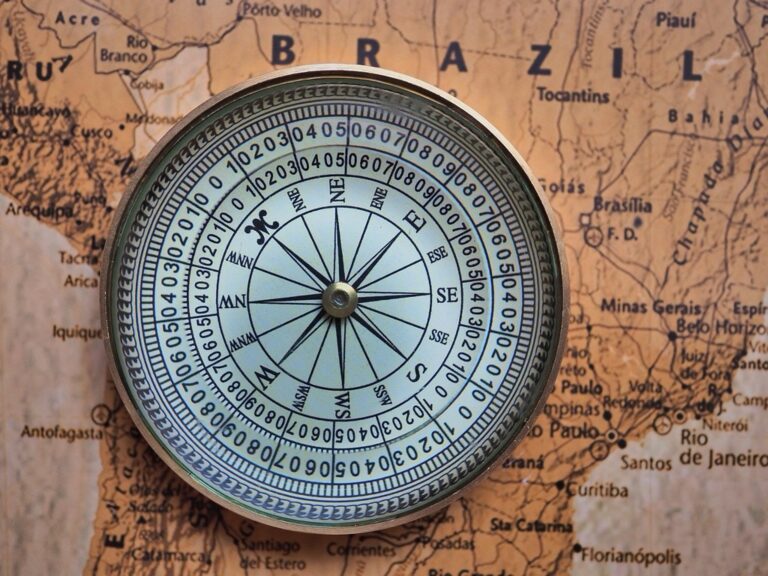
Incorporate vintage cartographic styling elements like ornate compass roses, decorative borders, and antique typography to present modern demographic data. You’ll create engaging visualizations by using sepia tones and aged paper textures for housing market statistics or population density maps. Tools like Adobe Illustrator and QGIS allow you to overlay historical map symbols onto current geographic information systems data, giving your unemployment rates or education statistics the visual appeal of 18th-century exploration charts.
[lasso id=”16066″]
Use Vintage Color Palettes for Climate Change Data
Select earth-toned color schemes reminiscent of hand-colored antique atlases to display temperature anomalies and precipitation patterns. You can apply muted browns, deep blues, and weathered greens from historical cartographic traditions to make climate data more accessible. Platforms like ColorBrewer and Adobe Color provide period-appropriate palettes that transform stark scientific visualizations into approachable maps. This technique helps viewers connect emotionally with environmental data while maintaining scientific accuracy in your temperature gradient representations.
Integrate 3D Topographic Models With Statistical Information
Physical terrain models combined with data overlays create powerful visualization tools that literally give depth to your statistical information. You’ll transform flat datasets into tactile experiences that engage viewers through both visual and spatial understanding.
Build Physical Relief Maps Showing Data Through Elevation
[lasso id=”7259″]
Extrude demographic density data directly onto topographic models using ArcGIS Pro’s 3D Analyst extension to create population pyramids that rise from actual landscape features. You can print these models using PLA filament on professional 3D printers like the Ultimaker S5, then apply color-coded data layers using acrylic paints or vinyl overlays. Consider scaling elevation data proportionally—multiplying population density by 10-50x creates visible height variations while maintaining geographic accuracy across your study area.
[lasso id=”16513″]
Create Sculptural Representations of Geographic Datasets
Transform statistical information into artistic installations by casting concrete or resin models that represent data through physical form and texture. You’ll achieve striking results by embedding LED strips within translucent materials to show temporal changes in climate data or economic indicators. Professional sculptors often collaborate with GIS specialists to ensure data accuracy while maintaining aesthetic appeal—consider partnerships with local art schools or fabrication labs that offer CNC milling and laser cutting services for precise geographic boundaries.
[lasso id=”16046″]
Combine Street Art Aesthetics With Urban Data Visualization
Street art’s bold visual language transforms mundane urban data into compelling narratives that resonate with city communities. You’ll discover how graffiti typography and mural compositions can make demographic statistics accessible to diverse audiences.
Design Graffiti-Style Maps Displaying City Statistics
Graffiti-style maps transform census data into vibrant street art compositions that speak directly to urban communities. You can apply spray paint textures and bold letterforms to population density visualizations using Adobe Illustrator‘s brush libraries or Procreate’s street art brushes. Layer demographic statistics over stylized neighborhood outlines with dripping paint effects and bubble letters that mirror local tagging styles. Use high-contrast color schemes like neon pinks against deep blacks to highlight income disparities or educational achievement gaps across city districts.
Create Mural-Inspired Visualizations of Transportation Data
Mural-inspired transportation visualizations convert bus routes and traffic patterns into large-scale artistic compositions reminiscent of community wall art. You’ll design subway system maps using earthy color palettes and organic flowing lines that mirror neighborhood murals rather than sterile transit diagrams. Apply textured backgrounds and hand-painted typography to display ridership statistics and commute times. Use QGIS styling tools to create brushstroke effects for transit corridors while incorporating symbolic imagery like bicycles or pedestrians that reflect local street art motifs.
Fuse Satellite Imagery With Abstract Artistic Interpretations
You’ll discover how aerial perspectives combined with artistic expression create compelling geographic narratives that reveal hidden patterns in your data.
Transform Aerial Photography Into Data-Driven Art Pieces
Convert raw satellite images into layered compositions by overlaying demographic statistics using transparency effects and color-coded vectors. Process high-resolution imagery through QGIS or ArcMap while incorporating population density data as artistic textures that flow across landscapes. Apply pointillism techniques to census points creating dot-density visualizations that mimic Georges Seurat’s style. Blend urban growth patterns with aerial photography using time-series data to show development changes as brushstroke-like progressions across metropolitan areas.
Blend Remote Sensing Data With Impressionist Techniques
Interpret NDVI vegetation indices through watercolor-inspired gradients that showcase agricultural productivity across regions using soft color transitions. Transform thermal satellite data into impressionist heat maps by applying blurred edges and organic color bleeding effects reminiscent of Monet’s landscape work. Use multispectral imagery to create layered compositions where different wavelengths appear as distinct paint strokes revealing environmental patterns. Apply gaussian blur filters to elevation models creating atmospheric perspective effects that emphasize topographic relief through artistic interpretation.
Create Interactive Art Installations Using Geographic Data
Transform your geographic visualizations into immersive public experiences that invite community participation and discovery. Interactive installations bridge the gap between data analysis and artistic expression.
Design Touch-Responsive Map Displays for Public Spaces
You’ll create engaging public interfaces by embedding capacitive touch sensors within large-format map displays using Arduino microcontrollers and Processing software. Build responsive installations where visitors can explore demographic layers by touching specific neighborhoods, revealing population density through LED strips or projection overlays. Install weatherproof touch-sensitive panels at transit stations, parks, and municipal buildings to display real-time city data like air quality measurements, bike share availability, or public event locations that update every 15 minutes.
[lasso id=”16788″]
Develop Projection Mapping Experiences With Real-Time Data
You’ll transform building facades and public surfaces into dynamic data canvases using projection mapping software like MadMapper or TouchDesigner connected to live data feeds. Create immersive experiences that project weather patterns onto architectural surfaces, displaying temperature gradients and precipitation data as flowing color animations across building walls. Develop installations that visualize traffic flow patterns on street surfaces using motion sensors and computer vision, where pedestrian movement triggers animated pathways that show historical foot traffic data through particle systems and heat map overlays.
Conclusion
The future of data visualization lies in breaking free from conventional constraints and embracing artistic innovation. By merging traditional mapping techniques with modern technology you’re not just presenting data—you’re creating memorable experiences that resonate with your audience on both intellectual and emotional levels.
These seven approaches offer you endless possibilities to transform sterile statistics into compelling visual stories. Whether you’re working with demographic data or climate information the key is finding the perfect balance between artistic expression and data accuracy.
Your next geographic visualization project doesn’t have to be another boring spreadsheet or basic chart. Take these techniques and start experimenting with ways to make your data sing through creative artistic mapping that truly engages your viewers.
Frequently Asked Questions
What is artistic data mapping and why is it important?
Artistic data mapping combines traditional artistic techniques with geographic data visualization to create more engaging and emotionally resonant presentations. Unlike sterile spreadsheets and basic charts, artistic mapping transforms complex statistical information into captivating visual narratives that connect with diverse audiences, making data more accessible and memorable while maintaining scientific accuracy.
How can traditional art techniques enhance geographic data visualization?
Traditional techniques like watercolor gradients, hand-drawn elements, and textured overlays add emotional depth and visual appeal to geographic datasets. For example, watercolor visualizations can depict economic indicators, while custom illustrated maps represent population demographics. These approaches make complex data more relatable and engaging compared to conventional digital charts.
What tools are recommended for creating interactive data storytelling maps?
Tools like Mapbox GL JS and D3.js are excellent for creating animated data layers with narrative timelines. These platforms allow you to show temporal changes in population migration, climate patterns, and economic shifts. They enable the transformation of static geographic data into compelling interactive narratives that guide viewers through complex information layers.
How can historical cartographic aesthetics be applied to modern data?
You can enhance contemporary datasets by incorporating ornate compass roses, antique typography, and vintage color palettes reminiscent of hand-colored atlases. This approach makes modern information like climate change data more visually appealing and emotionally resonant while maintaining scientific accuracy and adding historical context to contemporary issues.
What are 3D topographic data visualizations and their benefits?
3D topographic models integrate statistical information with physical terrain features, creating powerful visualization tools that provide both visual and spatial understanding. Using tools like ArcGIS Pro’s 3D Analyst extension, you can build relief maps that extrude demographic density data, creating population pyramids that rise from actual landscape features.
How can street art aesthetics be incorporated into urban data visualization?
Street art techniques can transform urban data into vibrant, community-resonant visualizations. Design graffiti-style maps that convert census data into street art compositions using spray paint textures and bold letterforms. Create mural-inspired visualizations of transportation data, transforming bus routes and traffic patterns into large-scale artistic compositions reflecting community wall art.
What is the role of satellite imagery in artistic data visualization?
Satellite imagery can be transformed into data-driven art by overlaying demographic statistics and using techniques like pointillism for dot-density visualizations. Remote sensing data can be blended with impressionist techniques, such as interpreting vegetation indices through watercolor gradients and converting thermal satellite data into impressionist heat maps.
How do interactive art installations enhance community engagement with geographic data?
Interactive installations create opportunities for community participation through touch-responsive map displays in public spaces, allowing visitors to explore demographic layers interactively. Projection mapping can transform building facades into dynamic data canvases, visualizing real-time information like weather patterns and traffic flow, fostering discovery and community connection.