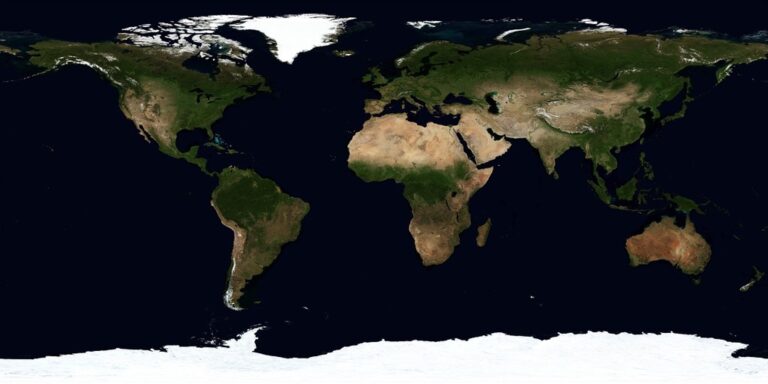
7 Best Storage Solutions for Large Printed Maps Pro Cartographers Use
Why it matters: Large printed maps present unique storage challenges that can damage your valuable cartographic collection if handled improperly.
The problem: Most standard storage methods cause creasing, tearing, or fading that destroys both the functionality and value of oversized maps.
What’s next: We’ve identified seven proven storage solutions that protect your maps while keeping them easily accessible for reference or display.
Disclosure: As an Amazon Associate, this site earns from qualifying purchases. Thank you!
P.S. check out Udemy’s GIS, Mapping & Remote Sensing courses on sale here…
Flat File Cabinets: The Professional Standard for Map Storage
[lasso id=”16322″]
Flat file cabinets represent the gold standard for professional map storage, offering specialized horizontal compartments that protect large-format documents from damage. These purpose-built storage systems eliminate the need to fold or roll your valuable maps.
Horizontal Drawer Design Prevents Creasing and Folding
Horizontal storage eliminates map damage by allowing your cartographic materials to lie completely flat within individual drawers. Each drawer accommodates maps up to 41″ x 29″ without requiring folds or creases that compromise accuracy. The shallow drawer depth (typically 1.5-2 inches) prevents maps from settling into curves or developing permanent bend marks that occur with vertical filing systems.
Multiple Size Options for Different Map Dimensions
Cabinet manufacturers offer standardized sizes matching common map formats including A0 (33″ x 47″), A1 (23″ x 33″), and oversized formats up to 50″ x 38″. You’ll find 5-drawer units perfect for smaller collections and 10-drawer models for extensive archives. Popular configurations include 30″ x 42″ drawers for USGS topographic maps and 36″ x 48″ units accommodating engineering drawings and city planning documents.
[lasso id=”16313″]
Steel Construction Ensures Long-Term Durability
Heavy-gauge steel construction withstands decades of professional use while protecting your maps from environmental damage and theft. Quality cabinets feature 16-gauge steel bodies with reinforced drawer slides rated for 100-pound loads. Powder-coated finishes resist scratches and moisture while precision-machined drawer mechanisms maintain smooth operation through thousands of opening cycles, ensuring your investment protects valuable cartographic collections for years.
Map Tubes and Cylinders: Portable Protection for Rolled Maps
Map tubes offer an excellent middle ground between flat storage and complete portability. They’re particularly valuable when you need to transport maps to field sites or share them with colleagues while maintaining protection against damage.
Acid-Free Materials Preserve Map Quality Over Time
Archival-quality map tubes use acid-free materials that prevent chemical degradation of your printed maps. Standard cardboard tubes contain lignin and acids that can cause yellowing and brittleness over time. Professional-grade tubes made from buffered materials maintain a neutral pH environment. Museums and archives rely on these specialized tubes to preserve historical maps for decades. You’ll find options in polyethylene plastic or acid-free cardboard construction.
Various Diameter Options Accommodate Different Map Sizes
Diameter selection directly impacts your map’s storage condition and rolling radius requirements. Standard tubes range from 2 inches for small-format maps to 6 inches for large wall maps. Larger diameters reduce stress on map fibers by creating gentler curves during rolling. You can store multiple maps in wider tubes using interleaving tissue paper. Professional cartographers often maintain tubes in 3-inch, 4-inch, and 5-inch diameters to handle various project scales efficiently.
Lightweight Design for Easy Transportation and Storage
Modern map tubes weigh significantly less than rigid storage alternatives while providing comparable protection. Telescoping designs allow length adjustment from 25 to 43 inches to match your specific map dimensions. Shoulder straps and carrying handles make field transport manageable even with multiple tubes. You can stack tubes vertically in storage areas or transport them in standard shipping containers. Weather-resistant caps protect contents from moisture during outdoor surveying work.
Wall-Mounted Map Storage Systems: Space-Saving Vertical Solutions
[lasso id=”17310″]
Wall-mounted systems maximize your office’s vertical space while keeping large maps organized and easily accessible. These vertical solutions eliminate the need for bulky floor cabinets while maintaining professional presentation standards.
Clamp-Style Holders for Quick Access and Display
Clamp-style holders secure maps along their top edge using spring-loaded mechanisms or magnetic strips. You’ll find these systems particularly useful for frequently referenced survey maps or zoning documents that require immediate access. Professional-grade clamps distribute pressure evenly across the map width, preventing damage to paper fibers while allowing quick map changes throughout your workday.
Multiple Map Capacity in Minimal Floor Space
Multi-tier wall systems accommodate 15-20 large-format maps in just 4 square feet of wall space. You can install these modular units at various heights to match your team’s viewing preferences and accessibility needs. Each tier holds maps up to 48 inches wide, with adjustable spacing between levels to prevent maps from overlapping or creating shadows during examination.
Professional Presentation for Offices and Libraries
Executive wall-mounted displays feature powder-coated aluminum frames with tempered glass covers for high-traffic environments. You’ll appreciate how these systems protect maps from dust and handling damage while maintaining crystal-clear visibility for client presentations. Many models include integrated LED lighting strips that eliminate glare and provide consistent illumination across the entire map surface during detailed reviews.
Plan Storage Racks: Industrial-Strength Organization
[lasso id=”17117″]
Plan storage racks deliver professional-grade organization for cartographers managing extensive map collections. These vertical storage systems handle the weight and bulk of large-format maps while maintaining easy access.
Heavy-Duty Construction for Large Map Collections
Steel-frame construction supports substantial weight loads up to 300 pounds per compartment. Industrial plan racks feature 14-gauge steel frames with reinforced joints that won’t sag under heavy map collections. Powder-coated finishes resist scratches and corrosion in humid environments. Commercial-grade ball-bearing slides operate smoothly even when fully loaded with oversized maps and survey documents.
Adjustable Shelving Accommodates Various Map Sizes
Telescoping brackets extend from 24 to 48 inches to accommodate maps ranging from standard USGS quads to large engineering drawings. Height adjustments in 2-inch increments let you customize compartment spacing for different map thicknesses. Removable dividers create custom sections for rolled maps mixed with flat documents. Spring-loaded mechanisms maintain consistent pressure without damaging delicate paper surfaces.
Easy Browsing with Visible Tab Systems
Color-coded hanging tabs attach to map edges for instant identification without removing documents from storage. Transparent label holders display project names and dates clearly from 6 feet away. Angled compartments tilt maps forward 15 degrees for better visibility when browsing. Quick-release mechanisms let you access individual maps without disturbing adjacent documents in the same compartment.
Archival Map Cases: Museum-Quality Preservation
[lasso id=”17397″]
Archival map cases represent the pinnacle of preservation technology for valuable historical and contemporary cartographic materials. These museum-grade storage solutions provide comprehensive protection against environmental threats and physical deterioration.
Climate-Controlled Environment Protection
Archival cases maintain consistent temperature and humidity levels to prevent map degradation. You’ll find sealed compartments that regulate moisture at 45-55% relative humidity while keeping temperatures between 65-70°F. Advanced models include silica gel chambers and vapor barriers that protect against fluctuations. Professional-grade cases feature gasket seals and pressure equalization valves that create stable microclimates. Museums worldwide rely on these controlled environments to preserve century-old survey maps and nautical charts without color fading or paper brittleness.
Acid-Free and Lignin-Free Materials
Archival cases use chemically neutral materials that won’t contaminate your maps over decades of storage. You’ll benefit from buffered mat boards with calcium carbonate that neutralizes acids migrating from older paper stocks. Interior surfaces feature museum-quality polyethylene foam and Tyvek barriers that prevent off-gassing. Metal components use powder-coated aluminum rather than steel to eliminate rust and corrosion. These materials meet Library of Congress preservation standards and ensure your valuable topographic surveys and historical boundary maps maintain their original condition for future generations.
Specialized Compartments for Fragile Historical Maps
[lasso id=”16952″]
Custom-designed compartments accommodate delicate antique maps with adjustable foam supports and gentle handling mechanisms. You can store fragile vellum charts and hand-colored surveys in individual protective sleeves with rigid backing boards. Compartments feature graduated sizing from 24×36 inches up to 48×72 inches for oversized historical atlases. Cushioned dividers prevent map-to-map contact while allowing easy retrieval without excessive handling. Professional conservators recommend these specialized storage systems for irreplaceable cartographic artifacts worth thousands of dollars that require maximum protection from physical stress and environmental damage.
Digital Conversion with Physical Backup Storage
Digital conversion creates searchable archives while maintaining physical originals as failsafe backup. This dual approach combines modern accessibility with traditional preservation methods.
High-Resolution Scanning Preserves Original Details
High-resolution scanning at 600 DPI or higher captures intricate cartographic details including elevation contours, grid coordinates, and legend symbols. Professional flatbed scanners with 11×17-inch beds handle most standard topographic maps without sectioning. Large-format scanners accommodate oversized military maps and geological surveys up to 42 inches wide. You’ll preserve coordinate accuracy and scale relationships that remain critical for field navigation and GIS integration.
Compact Physical Storage After Digitization
Digitized maps require minimal physical storage space compared to flat file systems or wall-mounted displays. You can consolidate 200+ large-format maps into a single archival box using acid-free folders and interleaving tissue. Climate-controlled storage units maintain consistent 65-70°F temperatures with 45-55% humidity levels. Rolling storage reduces footprint by 75% while protecting originals from handling damage during routine digital access.
Dual Protection Against Loss and Damage
Digital backups with physical originals create redundant protection against catastrophic loss from fire, flood, or theft. Cloud storage systems maintain multiple copies across geographic locations while originals remain in secure facilities. You’ll access digital versions for daily reference while preserving physical maps for legal documentation and historical authenticity. This approach satisfies both operational efficiency and archival standards required by government agencies and research institutions.
Custom Built-In Storage Solutions: Tailored Map Organization
Custom built-in storage solutions provide maximum space efficiency and professional organization for your large-format map collection. These systems adapt to your specific spatial constraints while maintaining optimal preservation conditions.
Designed to Fit Specific Space Requirements
Design custom storage systems to maximize your available space while accommodating your complete map inventory. Professional carpenters create compartments that fit your exact ceiling height and room dimensions. Modular drawer systems scale from 12-drawer units for small offices to 36-drawer configurations for extensive collections. Adjustable internal dividers accommodate maps ranging from 24×36 inches to 48×72 inches within the same storage unit. Corner installations utilize previously wasted space and provide rotating access mechanisms for improved map retrieval efficiency.
Integration with Existing Office or Library Furniture
Integrate map storage seamlessly with your current furniture to maintain aesthetic consistency and workflow efficiency. Built-in solutions match existing wood finishes and hardware styles throughout your workspace. Custom cabinetry incorporates map storage beneath existing countertops or integrates with library shelving systems. Combination units feature standard file storage on top with specialized map drawers below. Hidden storage compartments preserve room aesthetics while protecting valuable cartographic materials from dust and UV exposure through concealed access panels.
Professional Installation for Optimal Functionality
Professional installation ensures your custom storage system operates smoothly and protects your valuable map collection long-term. Certified installers verify proper weight distribution and structural support for heavy map loads exceeding 200 pounds per drawer. Precision mounting prevents drawer binding and ensures smooth operation of full-extension slides. Climate control integration maintains consistent temperature and humidity levels throughout the storage system. Professional installation includes LED lighting systems and security locks that protect your investment while providing convenient access to your cartographic materials.
Conclusion
Protecting your large printed maps doesn’t have to be complicated when you choose the right storage solution. Whether you’re managing a single valuable antique map or an extensive professional collection you’ll find options that fit your specific needs and budget.
The key lies in matching your storage method to how you use your maps. For daily reference work flat file cabinets and wall-mounted systems offer unbeatable accessibility. When preservation is your priority archival cases and digital conversion provide museum-quality protection that’ll safeguard your cartographic investments for generations.
Remember that proper storage isn’t just about preventing damage—it’s about maintaining the functionality and value of these irreplaceable resources. Start with one solution that addresses your most pressing storage challenge and you’ll quickly see the difference quality storage makes for your map collection’s longevity and usability.
Frequently Asked Questions
What are the best storage methods for large printed maps?
The most effective storage methods include flat file cabinets (considered the gold standard), map tubes for rolled maps, wall-mounted systems for space-saving, and archival cases for valuable historical maps. Each method prevents damage from creasing, folding, and environmental factors while keeping maps accessible for reference.
Why are flat file cabinets recommended for map storage?
Flat file cabinets feature horizontal compartments that allow maps to lie completely flat, preventing creasing and folding damage. They’re constructed from heavy-gauge steel for durability, come in various sizes to accommodate different map dimensions, and protect against environmental damage and theft.
When should I use map tubes instead of flat storage?
Map tubes are ideal for transporting maps to field sites and when flat storage isn’t practical. Choose archival-quality tubes with acid-free materials to prevent chemical degradation. Larger diameter tubes reduce stress on map fibers, and modern telescoping designs make them lightweight and portable.
How do wall-mounted map storage systems save space?
Wall-mounted systems maximize office space by utilizing vertical storage instead of bulky floor cabinets. Multi-tier systems can accommodate 15-20 large-format maps in just 4 square feet, with adjustable spacing to prevent overlapping while maintaining professional presentation standards.
What makes archival map cases special for valuable maps?
Archival cases provide museum-grade protection with sealed compartments that regulate temperature and humidity. They use acid-free, lignin-free materials meeting Library of Congress standards, feature adjustable foam supports for delicate maps, and offer comprehensive protection against environmental threats and deterioration.
Should I digitize my map collection?
Yes, digital conversion creates searchable archives while preserving physical originals as backup. High-resolution scanning at 600 DPI or higher captures intricate details and maintains coordinate accuracy. Digitized maps require minimal storage space and provide protection against catastrophic loss through cloud storage systems.
What are the benefits of custom built-in storage solutions?
Custom built-in systems maximize space efficiency and provide professional organization tailored to specific spatial constraints. They accommodate various map sizes, include climate control integration, security features, and professional installation ensures optimal functionality for large-format map collections.