6 Differences: Comparing Small Scale vs Large Scale Maps That Reveal Hidden Patterns
Why it matters: Understanding map scales dramatically affects how you interpret geographic information and make spatial decisions.
The big picture: Small scale maps show large areas with less detail while large scale maps zoom into specific regions with precise features â but the terminology often confuses even experienced map users.
What’s next: We’ll break down six key differences that’ll help you choose the right map type for navigation, research, or planning projects.
Disclosure: As an Amazon Associate, this site earns from qualifying purchases. Thank you!
P.S. check out Udemy’s GIS, Mapping & Remote Sensing courses on sale here…
Understanding the Fundamental Definition Difference Between Small Scale and Large Scale Maps
The terminology “small scale” and “large scale” maps often confuses even experienced mapmakers because it refers to the representative fraction, not the coverage area. Understanding this fundamental distinction will help you select the right map type for your specific cartographic needs.
What Small Scale Maps Actually Represent
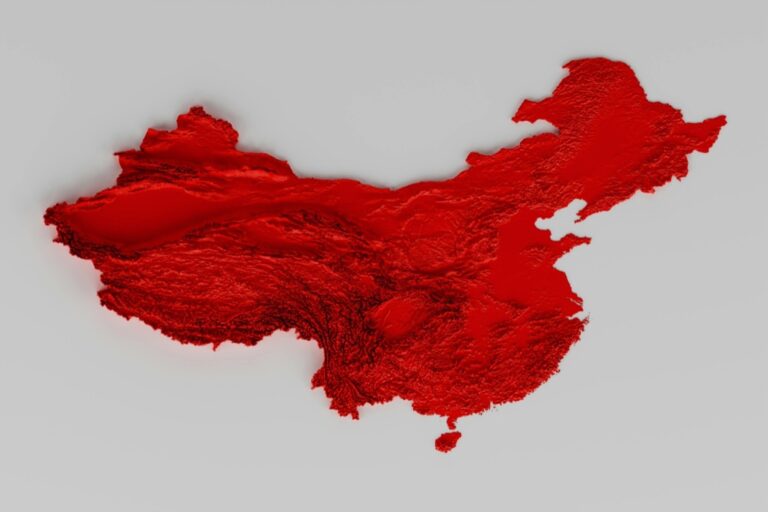
Small scale maps use representative fractions like 1:1,000,000 or smaller, where one unit on the map represents a large number of units on the ground. You’ll find these maps covering extensive areas such as entire countries, continents, or global regions with generalized features. They’re ideal for showing broad geographic patterns, climate zones, or continental transportation networks. However, you’ll sacrifice local detail for comprehensive territorial coverage, making them unsuitable for precise navigation or site-specific analysis.
How Large Scale Maps Provide Detailed Coverage
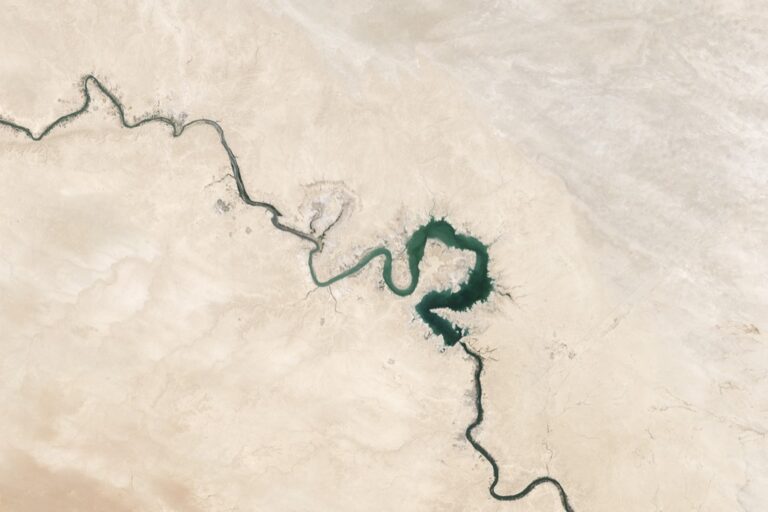
Large scale maps feature representative fractions like 1:24,000 or larger, where one unit represents fewer ground units, allowing for precise feature representation. You’ll see individual buildings, property boundaries, topographic contours, and street-level infrastructure clearly depicted. These maps excel at showing local geographic relationships, utility networks, and parcel-level land use patterns. You’ll use them for engineering projects, urban planning, or detailed field surveys where accuracy and feature precision are essential for decision-making.
Examining the Geographic Coverage Area Differences
The coverage area represents the most fundamental distinction between small and large scale maps. This difference directly impacts your map selection based on project scope and analytical requirements.
Small Scale Maps Cover Vast Territories and Regions
Small scale maps encompass extensive geographic areas spanning continents, countries, or multiple states. You’ll find these maps covering territories like the entire United States, Europe, or the Pacific Ocean basin. They’re designed to show broad spatial relationships across thousands of square miles, making them ideal for regional planning, climate studies, and transportation networks. Your perspective shifts to macro-level patterns when working with small scale representations.
Large Scale Maps Focus on Limited Local Areas
Large scale maps concentrate on specific neighborhoods, city blocks, or individual properties within a few square miles. You’ll use these detailed representations for sites like downtown districts, residential subdivisions, or campus facilities. They provide precise measurements for individual buildings, property boundaries, and infrastructure elements. Your work becomes highly localized, focusing on micro-level features that require exact positioning and detailed spatial analysis for engineering and development projects.
Analyzing the Level of Detail and Information Density
The information density you’ll encounter varies dramatically between small and large scale maps, directly impacting their practical applications. This fundamental difference determines which features appear, how they’re represented, and the level of precision you can expect.
Small Scale Maps Show Generalized Features and Broad Patterns
Small scale maps prioritize generalization over precision, displaying simplified representations of geographic features. You’ll notice coastlines appear as smooth curves rather than detailed shorelines, and mountain ranges show as broad symbols instead of individual peaks. Cities appear as points or basic shapes, while road networks display only major highways and interstate systems. This generalization allows you to identify continental patterns, climate zones, and regional relationships that would be impossible to discern on detailed maps.
Large Scale Maps Display Precise Details and Specific Elements
Large scale maps maximize information density by showing individual buildings, property boundaries, and street-level features with survey-grade accuracy. You’ll find detailed representations of utility lines, sidewalks, fire hydrants, and even individual trees in urban areas. Topographic contours appear at close intervals, revealing subtle elevation changes that affect drainage and construction. This precision enables you to conduct site analysis, property assessments, and engineering measurements that require exact spatial relationships and precise coordinate data.
Comparing the Scale Ratio Numbers and Mathematical Representations
Scale ratios function as mathematical expressions that define the relationship between map distances and real-world measurements. You’ll encounter these ratios as representative fractions that determine how much geographic area fits within your map’s boundaries.
Understanding Small Scale Ratios Like 1:1,000,000
Small scale ratios feature large denominators that create extensive geographic coverage with reduced detail precision. A 1:1,000,000 ratio means one unit on your map represents one million identical units in reality. You’ll find these ratios ranging from 1:500,000 to 1:10,000,000 or smaller, covering vast territories like entire states or countries. These mathematical representations prioritize broad spatial relationships over local features, making them ideal for continental analysis and regional planning projects.
Interpreting Large Scale Ratios Such as 1:10,000
Large scale ratios contain smaller denominators that produce detailed representations of limited geographic areas. A 1:10,000 ratio indicates one map unit equals 10,000 real-world units, delivering precise measurements for engineering applications. You’ll typically work with ratios from 1:1,000 to 1:50,000 when creating detailed site plans or urban mapping projects. These mathematical expressions maximize information density, enabling accurate property boundary delineation and infrastructure planning within concentrated geographic zones.
Exploring the Primary Uses and Applications in Different Fields
Understanding when to use small scale versus large scale maps depends on your specific professional needs and project objectives.
When Small Scale Maps Are Most Effective for Planning
Small scale maps excel in regional planning, climate research, and transportation network analysis. You’ll find them invaluable for visualizing population distribution patterns, identifying resource allocation across states or provinces, and conducting environmental impact assessments. Urban planners use 1:500,000 to 1:1,000,000 scale maps for corridor studies and regional development strategies. Emergency management professionals rely on these maps for disaster response coordination across multiple counties or regions.
How Large Scale Maps Serve Specialized Professional Needs
Large scale maps provide the precision required for engineering surveys, property boundary determination, and construction project planning. You’ll need 1:1,200 to 1:24,000 scale maps for utility line placement, architectural site analysis, and legal property disputes. Environmental consultants use these detailed maps for wetland delineation, soil sampling locations, and habitat mapping. Municipal engineers depend on large scale representations for storm water management, road design, and infrastructure maintenance planning.
Recognizing the Accuracy and Precision Limitations of Each Map Type
Understanding accuracy limitations helps you select appropriate mapping tools for specific projects and avoid costly measurement errors.
Small Scale Map Generalization and Distortion Factors
Small scale maps introduce significant generalization that reduces feature accuracy through simplified coastlines and smoothed terrain representations. You’ll encounter distortion factors that increase with distance from projection centers, particularly noticeable in continental-scale mapping where angular measurements can deviate by several degrees. Geographic features undergo systematic simplification processes that eliminate minor details, creating representations that prioritize regional patterns over precise positioning. These generalization algorithms compress complex shorelines into basic shapes and merge adjacent settlements into single symbols, reducing spatial accuracy for detailed analysis.
Large Scale Map Measurement Capabilities and Surveying Applications
Large scale maps provide measurement precision within centimeter-level accuracy when derived from high-resolution surveying data and GPS coordinates. You can achieve reliable distance calculations and area measurements for engineering projects, property boundaries, and construction layouts using established surveying standards. Professional surveying applications rely on these detailed representations to establish legal property lines, utility corridors, and infrastructure placement with millimeter precision. Ground control points and benchmark references enable accurate coordinate transformations, supporting cadastral mapping and engineering surveys that require precise spatial positioning for regulatory compliance.
Conclusion
Understanding these six key differences between small scale and large scale maps empowers you to select the right mapping tool for your specific needs. Whether you’re planning a cross-country road trip or designing a neighborhood development project your choice of map scale directly impacts the accuracy and usefulness of your spatial analysis.
Remember that the scale terminology might seem counterintuitive at first but focusing on the representative fraction helps clarify which type serves your purpose best. Small scale maps excel when you need broad geographic context while large scale maps provide the precision required for detailed local work.
Your success in navigation research or professional projects depends on matching the appropriate map scale to your intended application. By considering coverage area detail level and accuracy requirements you’ll make informed decisions that enhance your geographic understanding and project outcomes.
Frequently Asked Questions
What is the difference between small scale and large scale maps?
Small scale maps cover large geographic areas with less detail (like continents or countries), while large scale maps focus on smaller areas with more precise features (like neighborhoods or city blocks). The terminology refers to the representative fraction, not the coverage area.
How do I know if a map is small scale or large scale?
Look at the representative fraction. Small scale maps have large denominators (like 1:1,000,000 or smaller), while large scale maps have smaller denominators (like 1:24,000 or larger). The smaller the denominator, the larger the scale and more detailed the map.
When should I use a small scale map?
Use small scale maps for regional planning, climate research, transportation network analysis, and understanding broad geographic patterns. They’re ideal for continental analysis, emergency management coordination, and visualizing population distribution across large areas.
When should I use a large scale map?
Use large scale maps for engineering projects, property boundary determination, construction planning, and urban development. They provide the precision needed for utility line placement, architectural site analysis, and accurate measurements of individual buildings and streets.
Are small scale maps accurate for navigation?
Small scale maps have limited accuracy for precise navigation due to generalization and reduced detail. They’re better for understanding broad spatial relationships rather than exact measurements or detailed route planning within specific areas.
What level of precision do large scale maps offer?
Large scale maps offer centimeter-level measurement precision derived from high-resolution surveying data and GPS coordinates. This makes them essential for reliable distance calculations, area measurements, and professional applications requiring exact spatial information.