5 Best Map Export Strategies for Global Audiences
Maps aren’t one-size-fits-all — what works in New York might confuse users in Tokyo or offend audiences in Mumbai. Cultural adaptation transforms basic geographic data into meaningful visual communication that resonates with local audiences and drives engagement.
Getting map exports right means understanding how different cultures read directions process colors and interpret symbols. Smart businesses know that culturally-adapted maps boost user experience reduce confusion and build trust with international customers.
The payoff is clear: maps that speak your audience’s visual language convert better perform stronger in local markets and avoid costly cultural missteps that damage brand reputation.
Disclosure: As an Amazon Associate, this site earns from qualifying purchases. Thank you!
P.S. check out Udemy’s GIS, Mapping & Remote Sensing courses on sale here…
Customize Color Schemes to Reflect Cultural Preferences
Color choices in your exported maps can make or break user acceptance across different cultural contexts. Understanding regional color symbolism helps you create maps that feel intuitive and respectful to local audiences.
Research Regional Color Symbolism and Meanings
Study cultural color associations before finalizing your map’s visual design. Red signifies good fortune in China but represents danger in Western cultures. Green symbolizes prosperity in Islamic countries while indicating inexperience in American contexts. White represents purity in Western traditions but mourning in many Asian cultures. Create a cultural color reference guide that documents these meanings for each target market to ensure your map’s colors align with local expectations.
Adapt Primary and Secondary Color Palettes
Modify your base color schemes to match regional preferences and cultural comfort zones. European users prefer muted blues and grays for professional mapping applications. Asian markets respond better to warmer earth tones with gold accents. Middle Eastern audiences favor deep blues and greens that reflect Islamic artistic traditions. Test your adapted palettes with local focus groups using tools like Adobe Color or Coolors to validate cultural appropriateness before final export.
Consider Religious and Political Color Sensitivities
Avoid colors that carry religious or political implications in your target regions. Orange and saffron hold sacred significance in Hindu and Buddhist contexts. Certain color combinations might reference political parties or movements that could alienate users. Green and red together can evoke specific national or religious symbols. Research current political sensitivities and religious observances in each market to prevent unintentional cultural missteps that could damage your map’s credibility and user trust.
Adjust Text and Language Elements for Local Audiences
Effective text adaptation extends beyond simple translation to encompass cultural reading patterns and typography preferences. Your map’s linguistic elements must align with local expectations to maintain professional credibility and user comprehension.
Translate Labels and Place Names Accurately
Professional translation services ensure your map labels reflect local naming conventions and official designations. You’ll need native speakers familiar with geographic terminology to handle place names correctly, as automated translation tools often miss regional variations and historical context.
Consider official government naming standards for your target region, particularly for administrative boundaries and landmark designations. Local postal services and national mapping agencies provide authoritative spelling references that prevent confusion and maintain mapping accuracy.
Implement Right-to-Left Reading Support When Needed
Arabic, Hebrew, and other RTL languages require complete interface restructuring beyond simple text direction changes. Your legend positioning, north arrow placement, and scale bar locations must flip to accommodate natural reading flow patterns.
GIS software like ArcGIS Pro and QGIS offer RTL text rendering capabilities, but you’ll need to manually adjust layout elements for optimal readability. Test your RTL implementations with native speakers to identify spacing issues and ensure proper character rendering.
Use Culturally Appropriate Font Styles and Sizes
Font selection impacts both readability and cultural acceptance across different regions and writing systems. Latin-based fonts won’t display properly for Arabic or Asian scripts, requiring specialized typefaces that support Unicode character sets and proper glyph rendering.
Consider cultural preferences for serif versus sans-serif fonts, as some regions associate specific typography styles with formality or accessibility. Your font sizing must account for character complexity—Chinese characters require larger point sizes than Latin text for equivalent readability levels.
Modify Visual Symbols and Icons for Cultural Recognition
Symbol adaptation forms the foundation of culturally-sensitive map design, requiring careful selection of icons that resonate with local audiences while maintaining universal functionality.
[lasso id=”16024″]
Replace Generic Icons with Culturally Relevant Symbols
You’ll achieve better user recognition by replacing standard Western icons with locally-familiar alternatives. Substitute generic house icons with traditional architectural styles like pagodas in East Asia or adobe structures in Latin America. Replace standard restaurant symbols with culturally-specific food icons such as chopsticks in Asian markets or tagines in North African regions. Modify transportation icons to reflect local vehicle types, using rickshaws, tuk-tuks, or regional public transit symbols instead of generic car icons.
Ensure Religious and Cultural Symbol Appropriateness
You must verify that your chosen symbols respect religious sensitivities and cultural taboos within target markets. Avoid using religious symbols like crosses, crescents, or sacred geometry unless specifically required for religious site identification. Research color combinations that might create unintended religious associations, such as saffron and white in Hindu contexts or green and white in Islamic regions. Test symbols with cultural consultants to identify potential conflicts with local beliefs, political sensitivities, or historical associations that could alienate users.
Test Symbol Recognition with Local Focus Groups
You’ll validate symbol effectiveness through structured testing with representative user groups from your target cultural demographics. Conduct A/B testing comparing culturally-adapted symbols against standard icons to measure recognition speed and accuracy rates. Document user preferences for symbol size, complexity, and visual style within cultural contexts. Schedule multiple testing rounds with 15-20 participants per cultural group, measuring both immediate recognition and long-term usability to ensure your adapted symbols enhance rather than hinder map navigation.
Adapt Geographic Boundaries and Territorial Representations
Geographic boundaries carry profound cultural and political significance that extends far beyond simple cartographic lines. Your map exports must navigate these sensitivities with precision to maintain credibility and avoid unintended diplomatic consequences.
Address Disputed Territory Sensitivities
Disputed territories require careful handling to avoid alienating specific user groups or violating regional regulations. You’ll need to research current territorial disputes in your target markets and understand how different audiences expect these areas to be represented.
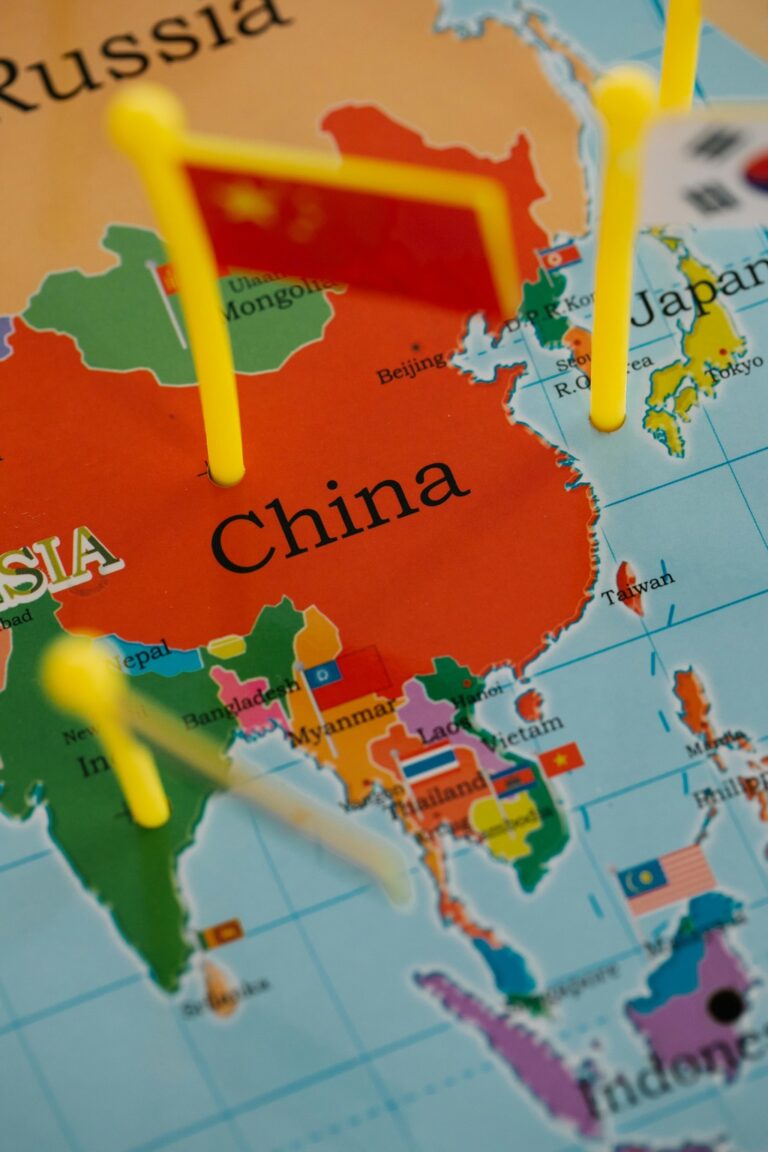
Create separate map versions for different regions when necessary. China requires Taiwan to be shown as part of mainland China, while Western markets typically display it separately. India and Pakistan have conflicting views on Kashmir’s representation that affect map acceptance.
Document your boundary decisions and maintain consistency across all map products to prevent confusion and maintain professional credibility.
Include Culturally Significant Geographic Features
Natural landmarks hold deep cultural meaning that goes beyond their geographic importance. Mountains, rivers, and coastlines often carry spiritual or historical significance that influences how communities relate to their environment.
Highlight sacred mountains like Mount Fuji in Japan or Uluru in Australia when creating maps for these regions. Include traditional fishing grounds, seasonal migration routes, and culturally important watersheds that may not appear on standard topographic references.
Research local geographic priorities through cultural institutions and community organizations to identify features that resonate with specific audiences.
Respect Traditional Land Boundaries and Names
Indigenous territories often differ significantly from modern political boundaries and require acknowledgment in culturally-sensitive mapping applications. Traditional land use patterns provide valuable context that enhances map utility for local communities.
Use indigenous place names alongside or instead of colonial designations when appropriate. Canada’s mapping standards now prioritize First Nations names, while Australia increasingly recognizes Aboriginal geographic terminology.
Consult tribal councils and indigenous organizations to verify proper name usage and boundary representations. This approach prevents cultural appropriation while building trust with traditional landholders.
Configure Data Presentation Methods for Cultural Understanding
Effective data presentation methods vary significantly across cultures, requiring careful consideration of local preferences and cognitive patterns. Your map’s success depends on presenting information in formats that align with regional expectations and cultural norms.
Adjust Measurement Units to Local Standards
Adapting measurement units to local standards prevents user confusion and ensures data accessibility. Use metric units for international audiences in Europe, Asia, and Africa, while maintaining imperial units for US-based users. Convert temperatures to Celsius for global markets and Fahrenheit for American audiences. Display distances in kilometers for most regions, but switch to miles for UK and US markets. Consider local currency formats when presenting economic data, using appropriate decimal separators and currency symbols that match regional conventions.
Present Statistical Information in Familiar Formats
Format statistical information according to regional preferences for optimal comprehension. Use comma separators for thousands in US formats (1,000) while employing period separators for European standards (1.000). Display percentages with appropriate decimal places based on local conventions – some cultures prefer whole numbers while others expect precision. Structure data tables with headers that follow local reading patterns, placing primary information in culturally expected positions. Consider date formats carefully, using MM/DD/YYYY for US audiences and DD/MM/YYYY for international users.
Include Culturally Relevant Data Points and References
Incorporate data points that resonate with local cultural contexts and reference systems. Include elevation measurements relative to familiar landmarks like sea level or prominent regional features. Reference population densities using locally understood comparisons – urban areas per square mile in the US versus people per hectare in Europe. Add cultural calendar references when displaying temporal data, accounting for different fiscal years, religious calendars, and seasonal patterns. Include economic indicators that matter to specific regions, such as purchasing power parity adjustments or local cost-of-living indices.
Conclusion
Creating culturally-adapted maps isn’t just about aesthetics—it’s about building meaningful connections with your global audience. When you take the time to understand local preferences for colors symbols language and data presentation you’re showing respect for cultural diversity while enhancing user experience.
The investment in cultural adaptation pays dividends through improved user engagement reduced confusion and stronger brand trust. Your maps become more than navigation tools—they become bridges that connect your brand with local communities in authentic ways.
Remember that cultural sensitivity requires ongoing attention as preferences and contexts evolve. Regular testing with local focus groups and staying informed about cultural nuances will keep your maps relevant and effective across all markets you serve.
Frequently Asked Questions
Why is cultural adaptation important in map design?
Cultural adaptation in map design is crucial because different cultures interpret directions, colors, and symbols differently. Maps tailored to local audiences enhance user experience, reduce confusion, and build trust with international customers. Businesses that invest in culturally-adapted maps see improved conversion rates and stronger market performance while avoiding cultural missteps that could damage their reputation.
How do colors affect map interpretation across cultures?
Colors carry different meanings across cultures, making color adaptation essential for user acceptance. For example, red symbolizes luck in China but danger in Western cultures, while white represents purity in Western countries but mourning in some Asian cultures. Understanding regional color symbolism and creating culturally-appropriate color palettes helps ensure maps resonate with local audiences.
What language considerations are important for international maps?
Effective text adaptation goes beyond simple translation to include cultural reading patterns and typography preferences. Key considerations include accurate translation of labels and place names, implementing right-to-left (RTL) reading support for languages like Arabic and Hebrew, and using culturally appropriate font styles and sizes that impact both readability and cultural acceptance.
How should visual symbols and icons be adapted for different cultures?
Visual symbols should be replaced with culturally relevant icons that resonate with local audiences. This includes using traditional architectural styles, culturally-specific food icons, and symbols that respect religious sensitivities. Testing symbol effectiveness with local focus groups through A/B testing helps validate recognition and usability while avoiding cultural taboos.
What challenges exist with geographic boundaries in international maps?
Geographic boundaries carry significant cultural and political implications. Disputed territories like Taiwan and Kashmir require careful handling to avoid alienating user groups. Best practices include creating separate map versions for different regions, including culturally significant geographic features, and respecting traditional land boundaries, particularly for Indigenous territories.
How should data presentation be adapted for different cultures?
Data presentation varies significantly across cultures and requires adapting measurement units to local standards (metric vs. imperial), formatting statistical information according to regional preferences (date formats, currency), and incorporating culturally relevant data points like familiar landmarks and local economic indicators to enhance comprehension and relatability.