7 Multi-Sensory Cartographic Design Ideas That Transform Maps
Why it matters: Traditional maps limit you to visual information alone, but breakthrough cartographic designers are now creating experiences that engage all your senses to tell richer geographical stories.
What’s happening: From tactile elevation models that let you feel mountain ranges to audio-enhanced maps that bring cities to life through sound, multi-sensory cartography is transforming how you interact with spatial data.
The bottom line: These innovative approaches don’t just make maps more accessible—they create deeper emotional connections to places and help you understand complex geographical relationships in ways flat paper never could.
Disclosure: As an Amazon Associate, this site earns from qualifying purchases. Thank you!
P.S. check out Udemy’s GIS, Mapping & Remote Sensing courses on sale here…
Tactile Elevation Mapping Through Raised Relief Surfaces
Physical elevation models transform flat cartographic data into tangible landscapes that your fingers can navigate. These tactile surfaces provide immediate spatial understanding through touch, allowing you to feel mountain ridges, valley depths, and terrain transitions that traditional maps can only represent visually.
3D Printed Topographic Models
3D printing technology converts digital elevation models (DEMs) into physical terrain representations with remarkable precision. You can create detailed topographic models using USGS 30-meter resolution data processed through software like ArcGIS Pro or QGIS. Print materials such as PLA plastic offer durability for classroom use, while resin printing provides finer detail resolution down to 0.1mm layer heights. Scale your models appropriately—1:50,000 works well for regional features, while 1:24,000 captures local terrain nuances effectively.
Create 3D art with the SCRIB3D P1 3D Pen! This easy-to-use pen features adjustable speed control and includes PLA filament, a stencil book, and project guide to get you started.


Textured Materials for Different Terrain Types
Surface textures differentiate geological and land cover features through distinct tactile patterns. You can apply sandpaper textures for desert regions, foam padding for forested areas, and smooth plastic for water bodies. Velcro strips effectively represent urban development, while corrugated materials simulate agricultural fields. Consider using raised dots for settlements and linear ridges for transportation networks. These material combinations create intuitive associations between texture and terrain type, enhancing spatial comprehension without requiring visual input.
Get a smooth finish on any project with this 24-piece sandpaper set. Featuring 12 assorted grits from 120 to 3000, these wet/dry sheets are labeled for easy identification and can be cut to your desired size.

Braille Integration for Accessibility
Braille labels and legends make elevation maps fully accessible to visually impaired users. You should integrate Grade 2 Braille directly into your relief surfaces using embossed tape or 3D-printed Braille cells. Place elevation markers at key topographic features—summit elevations, pass heights, and valley floor measurements. Include compass directions and scale information in Braille format along map edges. Position legend elements systematically, typically in the lower-right corner, ensuring consistent spacing of 6mm between Braille characters for optimal readability.
Create Braille labels quickly and easily with this handheld label maker. It embosses Braille letters and numbers on 3/8" or 1/2" labeling tape and features a Braille and print dial for simple operation.

Audio-Enhanced Geographic Storytelling
Audio elements transform static cartographic displays into immersive narrative experiences that engage users through spatial sound design. You’ll discover how strategic audio integration creates deeper geographic understanding while maintaining professional mapping standards.
Ambient Soundscapes for Different Regions
Regional soundscapes provide authentic geographic context through carefully selected environmental audio. You can integrate forest sounds for woodland areas, ocean waves for coastal regions, and urban traffic for metropolitan zones using tools like QGIS Audio Plugin or ArcGIS Experience Builder. These ambient layers should match your map’s zoom levels, with forest bird calls activating when users focus on national parks or wind sounds emerging over mountain terrain representations.
Voice-Guided Navigation Systems
Navigate with ease using this 7-inch GPS navigator, featuring real-time voice guidance and pre-loaded 2025 maps. Customize routes based on your vehicle type to avoid restrictions and receive speed & red light warnings.

Voice navigation transforms complex geographic data into clear directional guidance through professional narration systems. You’ll implement voice overlays using OpenStreetMap’s text-to-speech integration or Mapbox’s Voice API to provide turn-by-turn directions, elevation changes, and landmark identification. These systems work particularly well for hiking trails, historical walking tours, and accessibility-focused applications where visual map reading presents challenges for certain user groups.
Interactive Audio Markers for Points of Interest
Audio markers deliver location-specific information through clickable sound elements positioned at precise geographic coordinates. You can embed historical narratives, scientific data, or cultural stories using GeoJSON audio properties within Leaflet or OpenLayers frameworks. Each marker should contain 15-30 second audio clips that activate when users interact with specific map features, creating an educational layer that enhances traditional point-of-interest symbols.
Aromatic Geography Through Scent-Based Design
Incorporating scent into cartographic design creates powerful sensory associations that help you remember geographic locations more effectively. This approach transforms traditional visual mapping into an immersive experience that engages your olfactory system alongside spatial understanding.
Regional Fragrance Libraries
You can develop comprehensive scent collections that represent distinct geographic regions through carefully curated fragrance profiles. Desert environments work well with sage and dry earth scents, while coastal areas benefit from salt air and seaweed aromatics. Forest regions utilize pine, cedar, and moss fragrances to create authentic woodland experiences. Urban areas incorporate concrete dust, coffee, and exhaust notes that capture metropolitan atmospheres. These libraries require systematic cataloging with precise scent intensity measurements and geographic coordinate references for accurate mapping applications.
Scratch-and-Sniff Climate Zones
You’ll find scratch-and-sniff technology provides immediate scent activation for climate zone identification on printed maps. Tropical zones feature coconut and humid vegetation scents, while arctic regions utilize crisp pine and snow-like fragrances. Mediterranean climates work effectively with lavender and olive oil aromatics. Temperate zones benefit from grass and mild floral scents that represent moderate growing conditions. This microencapsulation technology requires specialized printing equipment and food-grade scent materials that maintain potency for extended periods while ensuring user safety.
Navigate the US with ease using this Rand McNally map. Its large, clear print ensures readability for trip planning and travel.

Essential Oil Diffusion Systems
Essential oil diffusion systems allow you to create dynamic scent experiences that change based on map interaction or location focus. Ultrasonic diffusers provide precise scent control through programmable intensity settings and timer functions. Geographic Information Systems can trigger specific oil blends when users hover over or select particular map regions. Lavender represents Mediterranean coastlines, eucalyptus indicates Australian territories, and sandalwood marks Southeast Asian regions. These systems require ventilation considerations, scent mixing protocols, and regular maintenance schedules to ensure consistent aromatic delivery throughout extended mapping sessions.
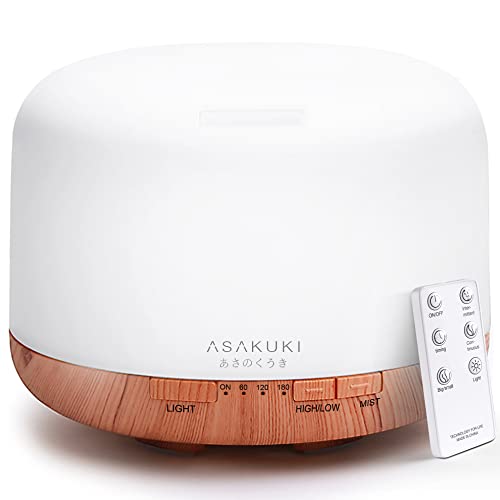
Enjoy aromatherapy with the ASAKUKI 500ml diffuser. It features a remote control, multiple mist modes, 7 LED light colors, and an auto-off safety switch for worry-free relaxation.
Interactive Digital Touch Interfaces
Digital touch interfaces revolutionize how you interact with cartographic data by combining traditional visual mapping with responsive tactile feedback systems.
Pressure-Sensitive Map Surfaces
Pressure-sensitive surfaces detect varying touch intensities to reveal different data layers on your digital maps. Light touches display basic geographic features while firm pressure unveils detailed elevation contours or demographic statistics. Advanced resistive touch technology enables you to “dig deeper” into geographic datasets through intuitive pressure variations. Microsoft Surface Studio and specialized cartographic tablets like the Wacom Cintiq Pro offer precise pressure detection with over 8,000 sensitivity levels for professional mapping applications.
Haptic Feedback for Boundary Recognition
Haptic feedback systems provide subtle vibrations when your finger crosses political boundaries, watersheds, or elevation contours on touch-enabled maps. Tanvas TanvasTouch technology creates virtual textures that simulate different terrain types through ultrasonic surface haptics. You’ll feel distinct vibration patterns for international borders versus state lines, helping you navigate complex administrative boundaries without visual reference. Modern tablets equipped with Apple’s Taptic Engine or Android’s haptic APIs deliver precise boundary recognition through customizable vibration sequences.
Multi-Touch Gesture Controls
Multi-touch gestures transform complex GIS operations into intuitive finger movements on your digital mapping interface. Pinch-to-zoom maintains cartographic scale relationships while two-finger rotation adjusts map orientation for optimal data visualization. Advanced gesture sets include three-finger swipes for temporal data navigation and four-finger taps for layer switching. Professional mapping software like ArcGIS Pro and QGIS Touch support customizable gesture libraries that streamline your cartographic workflow through natural hand movements.
Temperature-Responsive Cartographic Elements
Temperature-responsive elements revolutionize cartographic design by allowing maps to physically react to environmental conditions or user interaction. These innovative materials create dynamic visual displays that shift based on thermal variations.
Thermochromic Inks for Climate Data
Thermochromic inks change color based on temperature fluctuations, providing real-time climate visualization on printed maps. You can incorporate liquid crystal thermochromic pigments that shift from dark blue at 60°F to bright red at 90°F, creating intuitive temperature gradients. Leuco dye-based inks offer precise activation temperatures for specific climate zones, while microencapsulated thermochromic materials provide durability for outdoor mapping applications. These specialized inks transform static climate data into interactive thermal displays that respond to ambient conditions.
Heated Surface Zones
Heated surface zones use embedded heating elements to create tactile temperature experiences representing different geographic regions. You’ll integrate flexible heating films beneath laminated map surfaces, allowing tropical zones to generate warmth while temperate areas remain neutral. Conductive thread heating systems provide targeted warmth for specific map features like desert regions or volcanic areas. These controlled thermal zones deliver authentic sensory experiences that help users physically understand climate variations across different latitudes and elevations.
Cooling Elements for Polar Regions
Cooling elements simulate frigid polar conditions through thermoelectric cooling devices integrated into map surfaces. You can embed Peltier cooling modules beneath polar region representations, creating noticeable temperature drops that mirror Arctic conditions. Phase-change cooling packs provide temporary cold sensations for glacial areas, while evaporative cooling systems create sustained chill effects for permafrost zones. These cooling technologies offer authentic polar experiences that enhance understanding of extreme climate conditions through direct thermal contact.
Visual Depth Through Augmented Reality Integration
Augmented reality transforms flat cartographic displays into immersive three-dimensional experiences that layer digital information over physical maps. You’ll discover enhanced spatial understanding through AR’s ability to combine traditional mapping with interactive digital overlays.
AR Overlay Information Systems
AR overlay systems display real-time geographic data directly onto your physical map through smartphone or tablet applications. Popular tools like ESRI’s ArcGIS QuickCapture and ARCore enable you to visualize elevation profiles, demographic statistics, and infrastructure networks floating above paper maps. These systems track your device position using GPS and gyroscope sensors to maintain accurate data alignment. You’ll access multiple information layers simultaneously without cluttering the base map design.
3D Holographic Projections
3D holographic displays create floating geographic visualizations that you can view from multiple angles without special glasses. Microsoft HoloLens and Magic Leap devices render topographic data as volumetric projections above your workspace. These systems utilize spatial mapping sensors to anchor geographic models in real-world coordinates. You’ll manipulate terrain features through hand gestures while examining complex elevation patterns from different perspectives for enhanced geographic analysis.
Mixed Reality Geographic Experiences
Mixed reality combines physical maps with digital geographic elements that respond to your touch and movement patterns. Meta Quest Pro and Varjo Aero headsets enable you to walk through scaled geographic environments while maintaining awareness of your physical surroundings. These platforms support collaborative mapping sessions where multiple users interact with the same geographic dataset simultaneously. You’ll experience seamless transitions between 2D map analysis and immersive 3D geographic exploration.
Kinesthetic Movement-Based Map Exploration
Transform your cartographic designs into immersive environments that respond to full-body movement, creating dynamic spatial experiences that engage users through physical interaction with geographic data.
Floor-Scale Interactive Projections
Project your maps onto floor surfaces using high-lumen projectors paired with motion tracking systems like Microsoft Kinect or Intel RealSense cameras. Users walk directly across projected terrain to explore elevation changes, urban planning scenarios, and watershed boundaries through physical navigation. Configure projection mapping software such as MadMapper or TouchDesigner to create responsive floor displays that highlight different data layers as users move through specific geographic zones. Install pressure-sensitive floor panels beneath projected areas to trigger detailed information displays when users step on particular locations.
Motion-Sensor Activated Features
Integrate PIR motion sensors and accelerometers throughout your map displays to activate content based on user proximity and gesture patterns. Configure Arduino-based sensor networks to detect approaching users and automatically zoom into relevant geographic areas or display contextual information panels. Use gesture recognition systems like Leap Motion controllers to allow users to manipulate 3D topographic models through hand movements, rotating mountain ranges and adjusting viewpoints through natural arm motions. Program sensor arrays to respond to walking speed variations, revealing different temporal map layers as users move quickly or slowly through exhibition spaces.
Physical Walking Tours Through Digital Landscapes
Design GPS-enabled mobile applications that transform real-world walking routes into augmented cartographic experiences using platforms like Unity3D or Unreal Engine. Create location-based triggers that activate different map visualizations as users physically traverse corresponding geographic areas, synchronizing digital elevation models with actual terrain features. Develop QR code waypoint systems along walking paths that unlock progressive map layers, allowing users to build comprehensive geographic understanding through sequential physical movement. Implement beacon technology using Bluetooth Low Energy devices to create invisible geographic boundaries that trigger specific cartographic content when users cross predetermined spatial thresholds.
Conclusion
These seven multi-sensory approaches represent the future of cartographic design where your maps become dynamic experiences rather than static displays. You’ll find that incorporating tactile elements audio enhancements and interactive technologies creates deeper connections between users and geographic data.
The accessibility benefits alone make these techniques invaluable for inclusive design practices. When you combine traditional visual mapping with sensory-rich features you’re opening doors for diverse audiences to engage with geographic information in meaningful ways.
Your cartographic projects will stand out when you embrace these innovative methods. Whether you’re designing for educational purposes navigation systems or data visualization these multi-sensory techniques will transform how people interact with and understand spatial information in our increasingly digital world.
Frequently Asked Questions
What is multi-sensory cartography?
Multi-sensory cartography is an innovative mapping approach that goes beyond traditional visual maps by incorporating tactile, auditory, and other sensory elements. This technique enhances the mapping experience by allowing users to feel elevation changes through raised surfaces, hear location-specific sounds, and even experience scents associated with different geographic regions, making maps more accessible and emotionally engaging.
How does tactile elevation mapping work?
Tactile elevation mapping transforms flat cartographic data into tangible landscapes using raised relief surfaces that users can navigate through touch. This technique utilizes 3D printing technology to create detailed topographic models from digital elevation data, often using durable materials like PLA plastic and resin. Different textured materials represent various terrain types, enhancing spatial comprehension through distinct tactile patterns.
What are audio-enhanced maps?
Audio-enhanced maps integrate sound elements to transform static maps into immersive narrative experiences. They feature ambient soundscapes that provide authentic geographic context (like forest sounds for woodland areas), voice-guided navigation systems that simplify complex geographic data, and interactive audio markers that deliver location-specific information through clickable sound elements, making geography more engaging and educational.
How do scent-based maps enhance geographic understanding?
Scent-based maps create powerful sensory associations that enhance memory of geographic locations through aromatic geography. They utilize regional fragrance libraries representing distinct geographic areas, scratch-and-sniff technology for climate zone identification, and essential oil diffusion systems that create dynamic scent experiences based on user interaction, making geography more immersive and memorable.
What are interactive digital touch interfaces in cartography?
Interactive digital touch interfaces revolutionize cartographic interaction by combining visual mapping with responsive tactile feedback systems. They feature pressure-sensitive surfaces that detect varying touch intensities to reveal different data layers, haptic feedback systems providing vibrations to indicate boundaries and terrain types, and multi-touch gesture controls that transform complex GIS operations into intuitive finger movements.
How do temperature-responsive maps work?
Temperature-responsive maps use thermochromic inks that change color based on temperature fluctuations, providing real-time climate visualization. They incorporate heated surface zones with embedded heating elements to create tactile temperature experiences representing different geographic regions, and cooling elements that simulate frigid polar conditions through integrated thermoelectric devices, enhancing understanding of climate variations through direct thermal contact.
What role does augmented reality play in modern cartography?
Augmented reality transforms flat maps into immersive 3D experiences by layering digital information over physical maps. AR systems display real-time geographic data through smartphone applications, create 3D holographic projections viewable from multiple angles, and enable mixed reality experiences combining physical maps with responsive digital elements, allowing seamless transitions between 2D and 3D geographic exploration.
What is kinesthetic movement-based map exploration?
Kinesthetic movement-based map exploration creates dynamic spatial experiences where cartographic designs respond to full-body movement. This includes floor-scale interactive projections allowing users to walk across projected terrain, motion-sensor activated features triggering content based on proximity, and GPS-enabled mobile applications transforming real-world walking routes into augmented cartographic experiences that engage users through physical interaction.