7 Best Satellite Imagery Applications for Disaster Recovery
Why it matters: When disaster strikes your community you need accurate real-time information to make life-saving decisions quickly. Satellite imagery has revolutionized how emergency managers and planners assess damage coordinate resources and rebuild after catastrophic events.
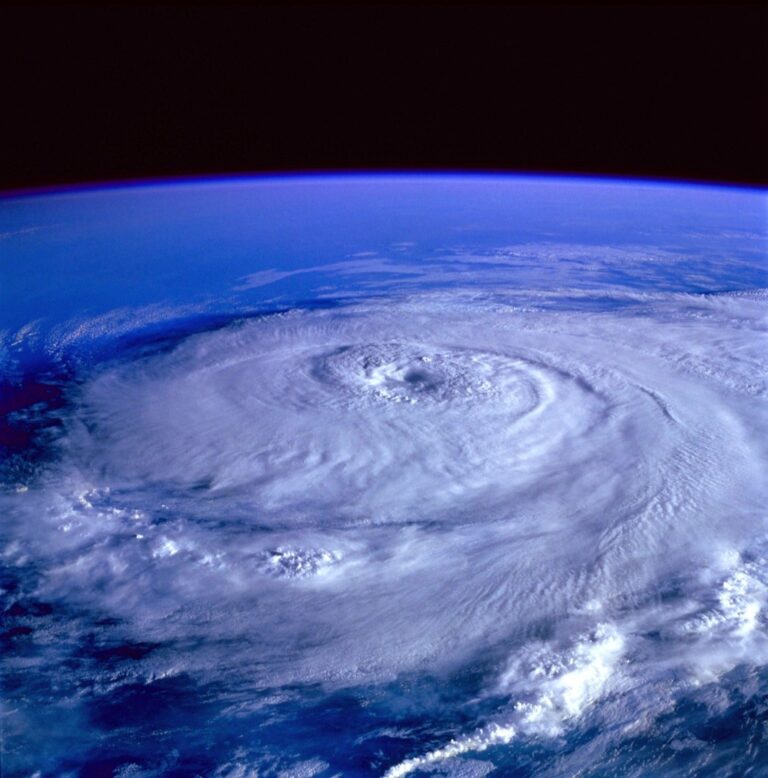
The big picture: From tracking hurricane paths to mapping flood zones satellites provide the bird’s-eye view that ground teams simply can’t match. This technology transforms chaotic disaster scenarios into manageable recovery operations by delivering precise data when traditional communication systems fail.
Disclosure: As an Amazon Associate, this site earns from qualifying purchases. Thank you!
Enhanced Real-Time Damage Assessment Capabilities
Satellite imagery transforms disaster recovery planning by delivering precise damage assessments within hours of catastrophic events. You’ll gain critical insights into infrastructure conditions that guide immediate response decisions and resource allocation strategies.
P.S. check out Udemy’s GIS, Mapping & Remote Sensing courses on sale here…
Immediate Post-Disaster Infrastructure Evaluation
You’ll evaluate damaged roads, bridges, and buildings through high-resolution satellite data that captures structural integrity details traditional ground surveys can’t quickly provide. Emergency planners use these images to identify blocked evacuation routes, assess airport runway conditions, and determine which facilities remain operational. Satellite sensors detect debris fields, foundation shifts, and roof damage patterns that help prioritize repair crews and emergency services deployment across affected regions.
[lasso id=”16024″]
Rapid Identification of Critical Service Disruptions
You’ll spot power grid failures, water treatment plant damage, and telecommunications tower destruction through comparative satellite analysis that highlights service infrastructure changes. Emergency response teams rely on thermal imaging to identify areas without electricity and multispectral data to assess water system contamination. These capabilities enable you to reroute essential services, establish temporary communication networks, and coordinate utility restoration efforts before ground teams can safely access disaster zones.
Improved Pre-Disaster Risk Analysis and Vulnerability Mapping
Satellite imagery transforms disaster preparedness by enabling comprehensive risk assessment before catastrophic events strike. You’ll gain unprecedented insights into potential hazards and vulnerable areas through systematic analysis of geographic patterns and environmental conditions.
Historical Pattern Recognition for Hazard Prediction
You can analyze decades of satellite data to identify recurring disaster patterns and predict future events with greater accuracy. Historical satellite imagery reveals flood frequency patterns, wildfire progression routes, and hurricane landfall zones across multiple seasons and years. Advanced algorithms process this temporal data to create predictive models that show where disasters are most likely to occur. You’ll identify seasonal trends like drought cycles or storm surge patterns that repeat every few years. This analysis helps emergency planners anticipate resource needs and prepare evacuation routes before disaster season begins.
Geographic Risk Zone Identification and Classification
You’ll create detailed vulnerability maps by combining satellite imagery with demographic and infrastructure data to classify risk zones. High-resolution satellite sensors identify areas with dense populations, critical infrastructure, and environmental hazards like steep slopes or flood-prone valleys. Digital elevation models derived from satellite data help classify landslide risk zones and coastal vulnerability to storm surge. You can map building density patterns and identify neighborhoods with older construction materials that face higher collapse risks. Classification systems rank areas from low to extreme risk levels, enabling targeted preparation efforts and resource allocation strategies.
Accelerated Emergency Response Resource Allocation
Satellite imagery revolutionizes how emergency management teams deploy critical resources during disasters. Real-time satellite data enables strategic positioning decisions that save precious time when every minute counts.
Strategic Positioning of Relief Supplies and Equipment
You’ll identify optimal supply depot locations by analyzing satellite imagery that reveals accessible roads, intact bridges, and secure staging areas. Satellite data shows population density patterns and infrastructure damage levels, helping you position medical supplies, food, and rescue equipment where they’re needed most. High-resolution imagery enables you to spot helicopter landing zones and establish mobile command centers in areas with minimal structural damage and maximum accessibility to affected populations.
Optimal Evacuation Route Planning and Management
You can map safe evacuation corridors using current satellite imagery that identifies blocked roads, damaged overpasses, and flooded areas in real-time. Satellite data reveals alternative routes when primary evacuation paths become impassable, enabling dynamic route adjustments as conditions change. Multi-spectral satellite sensors detect road surface conditions and traffic congestion patterns, allowing you to direct evacuees through the safest and most efficient pathways while avoiding hazardous zones and bottlenecks.
Advanced Infrastructure Resilience Planning
Satellite imagery transforms infrastructure resilience planning by revealing structural vulnerabilities and interconnected system weaknesses. This comprehensive aerial perspective enables planners to design robust backup systems that maintain essential services during disasters.
Critical Facility Vulnerability Assessment
You’ll identify structural weaknesses in hospitals, power plants, and emergency services through high-resolution satellite analysis. Multi-spectral imaging detects foundation settling, roof deterioration, and proximity to flood zones or unstable terrain. Compare historical satellite data to track infrastructure aging patterns and prioritize reinforcement projects. This assessment reveals which critical facilities need immediate upgrades and helps allocate strengthening resources effectively before disasters strike.
Transportation Network Backup System Development
You can map redundant transportation routes using satellite imagery to ensure emergency access remains available. Analyze elevation data and terrain features to identify alternative roadways that withstand flooding or landslides. Satellite monitoring reveals bridge load capacities, road surface conditions, and potential chokepoints that could isolate communities. Create backup route networks by identifying secondary roads, helicopter landing zones, and temporary bridge locations for maintaining connectivity during primary route failures.
Enhanced Community Evacuation Strategy Development
Satellite imagery transforms evacuation planning by providing comprehensive aerial views that reveal population distributions and optimal escape routes during disasters.
Population Density Analysis for Safe Zone Planning
Population density mapping through satellite imagery helps you identify secure evacuation zones with adequate capacity and infrastructure. High-resolution satellite data reveals residential concentrations, commercial districts, and industrial areas that require different evacuation strategies. You can analyze building footprints and parking lot sizes to estimate population loads during peak hours. Thermal imaging satellites detect heat signatures that indicate actual occupancy levels beyond census data. This analysis enables you to designate appropriately sized safe zones with sufficient space, emergency services access, and resource distribution capabilities for displaced residents.
Multi-Route Evacuation Corridor Identification
Multi-route corridor mapping using satellite imagery ensures you maintain multiple evacuation pathways when primary routes become compromised. Satellite analysis identifies road widths, bridge capacities, and terrain obstacles that affect traffic flow during mass evacuations. You can map elevation changes and flood-prone areas to determine which routes remain viable during specific disaster scenarios. Multi-spectral sensors reveal pavement conditions and structural integrity of overpasses and tunnels. This comprehensive route analysis allows you to create redundant evacuation networks with backup corridors, ensuring community members have alternative escape paths when disasters block primary evacuation routes.
Comprehensive Environmental Impact Monitoring
Satellite imagery provides unparalleled visibility into environmental changes following disasters, enabling comprehensive monitoring of ecosystem health and contamination patterns. This environmental surveillance capability transforms your ability to assess long-term impacts and guide recovery efforts.
Ecosystem Damage Assessment and Recovery Tracking
Ecosystem damage assessment through satellite imagery reveals vegetation stress, deforestation patterns, and habitat destruction across vast areas within days of disasters. Multi-spectral sensors detect chlorophyll changes, indicating plant health degradation from flooding or fire damage. Time-series satellite analysis tracks ecosystem recovery rates, monitoring regrowth patterns and identifying areas requiring restoration intervention. This vegetation monitoring helps you prioritize conservation efforts and allocate resources for habitat restoration projects effectively.
Water Resource Contamination Detection and Mapping
Water resource contamination detection utilizes satellite sensors to identify pollution plumes, algae blooms, and sediment displacement in rivers, lakes, and coastal areas. Hyperspectral imaging reveals chemical signatures of contaminants, while thermal sensors detect temperature anomalies indicating pollution sources. Satellite mapping tracks contamination spread patterns, enabling you to predict affected water supplies and implement protective measures. This contamination monitoring supports public health decisions and guides water treatment facility operations during recovery periods.
[lasso id=”16777″]
Streamlined Insurance Claims Processing and Documentation
Satellite imagery revolutionizes insurance claims processing by providing indisputable visual evidence of disaster damage. This technology eliminates lengthy disputes and accelerates compensation for affected property owners.
Objective Property Damage Verification
Satellite data delivers time-stamped aerial evidence that prevents fraudulent claims and validates legitimate damage reports. High-resolution imagery captures precise roof damage, structural collapse, and flood lines with GPS coordinates that insurers can’t dispute. Multi-spectral sensors detect hidden damage like water infiltration beneath roofing materials or compromised building foundations. Insurance adjusters use before-and-after satellite comparisons to assess damage severity accurately, reducing the need for dangerous on-site inspections in unstable disaster zones.
Accelerated Settlement Timeline Management
Claims processing speeds increase dramatically when insurers access satellite imagery within 24-48 hours of disaster events. Automated damage detection algorithms analyze satellite data to prioritize severe cases requiring immediate attention and financial assistance. Insurance companies reduce field adjuster deployment costs by 60-70% when satellite imagery provides initial damage assessments. Pre-approved settlement protocols activate automatically when satellite data confirms specific damage thresholds, enabling victims to receive emergency funds while comprehensive evaluations continue remotely.
Conclusion
Satellite imagery has fundamentally transformed how you approach disaster recovery planning by providing unprecedented visibility and data-driven insights. From rapid damage assessment to strategic resource allocation these seven applications demonstrate the technology’s power to save lives and reduce recovery costs.
Your organization’s disaster preparedness strategy becomes exponentially more effective when you integrate satellite technology into your planning process. The ability to assess risks before they materialize and respond with precision during emergencies creates a comprehensive framework that protects both communities and infrastructure.
As satellite technology continues advancing you’ll gain access to even more sophisticated tools for disaster management. Investing in satellite imagery capabilities today positions your organization to handle tomorrow’s challenges with greater confidence and efficiency.
Frequently Asked Questions
How does satellite imagery help during disaster management?
Satellite imagery provides real-time aerial views that help emergency managers assess damage, coordinate resources, and facilitate recovery efforts. It tracks natural disasters like hurricanes, maps flood zones, and identifies blocked evacuation routes when traditional communication systems fail, transforming chaotic emergency situations into organized recovery operations.
What role does satellite data play in disaster recovery planning?
Satellite data delivers precise damage assessments within hours of catastrophic events, providing critical insights into infrastructure conditions. It evaluates damaged roads, bridges, and buildings, identifies service disruptions like power grid failures, and helps prioritize repair crews and emergency services deployment before ground teams can safely access disaster zones.
How can satellite imagery improve pre-disaster preparedness?
Satellite imagery enhances pre-disaster risk analysis by analyzing decades of historical data to recognize disaster patterns and predict future events. It identifies flood frequency, wildfire routes, and hurricane zones, while combining demographic and infrastructure data to create detailed vulnerability maps that help prioritize preparation efforts and resource allocation.
How does satellite technology optimize emergency response resource allocation?
Real-time satellite data identifies optimal locations for supply depots by revealing accessible roads, intact bridges, and secure staging areas. It aids in planning evacuation routes by mapping safe corridors and detecting blocked areas, while multi-spectral sensors provide insights into road conditions and traffic patterns for efficient emergency response.
What is infrastructure resilience planning using satellite imagery?
Infrastructure resilience planning uses satellite imagery to reveal structural vulnerabilities and system weaknesses from an aerial perspective. High-resolution analysis identifies weaknesses in critical facilities like hospitals and power plants, enables prioritization of reinforcement projects, and helps develop backup transportation networks with redundant routes for emergency access.
How does satellite imagery enhance community evacuation strategies?
Satellite imagery provides comprehensive aerial views that reveal population distributions and optimal escape routes during disasters. It helps identify secure evacuation zones with adequate capacity, detects actual occupancy levels through thermal imaging, and ensures multiple evacuation pathways are available when primary routes become compromised.
Can satellite imagery monitor environmental impacts after disasters?
Yes, satellite imagery allows comprehensive environmental impact monitoring by assessing ecosystem health and contamination patterns following disasters. It reveals vegetation stress, habitat destruction, tracks recovery rates over time, and detects water resource contamination, identifying pollution sources and tracking contaminant spread to support public health decisions.
How does satellite imagery benefit insurance claims processing?
Satellite imagery revolutionizes insurance claims by providing indisputable visual evidence of disaster damage, accelerating compensation for property owners. Time-stamped aerial evidence prevents fraudulent claims, validates legitimate damage reports, and dramatically increases processing speeds while reducing field adjuster deployment costs significantly.