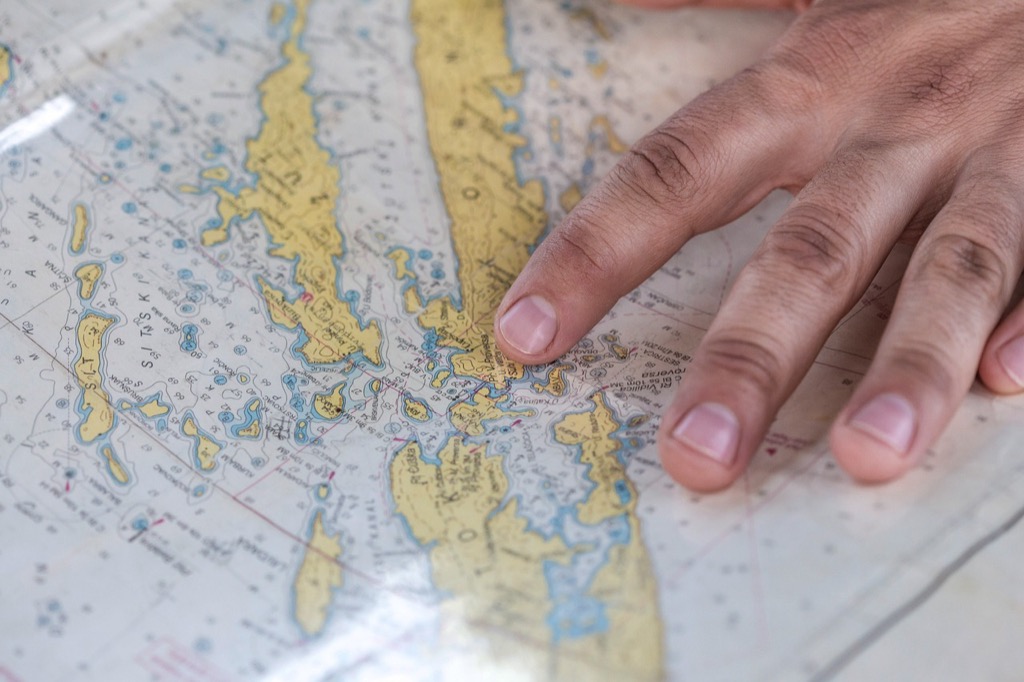
6 Best Map Art Ideas for Home Décor
Maps aren’t just navigation tools—they’re stunning works of art waiting to transform your space. Whether you’re drawn to vintage cartography or modern geographic designs you’ll discover countless ways to incorporate these visual treasures into your home décor.
From antique world maps that tell stories of exploration to contemporary street art interpretations that reimagine familiar territories maps offer unique aesthetic appeal that’s both educational and beautiful. You can create gallery walls showcase regional pride or simply add sophisticated flair to any room with the right cartographic choices.
[lasso id=”6005″]
Disclosure: As an Amazon Associate, this site earns from qualifying purchases. Thank you!
P.S. check out Udemy’s GIS, Mapping & Remote Sensing courses on sale here…
Transform Vintage Maps Into Statement Wall Art
[lasso id=”16952″]
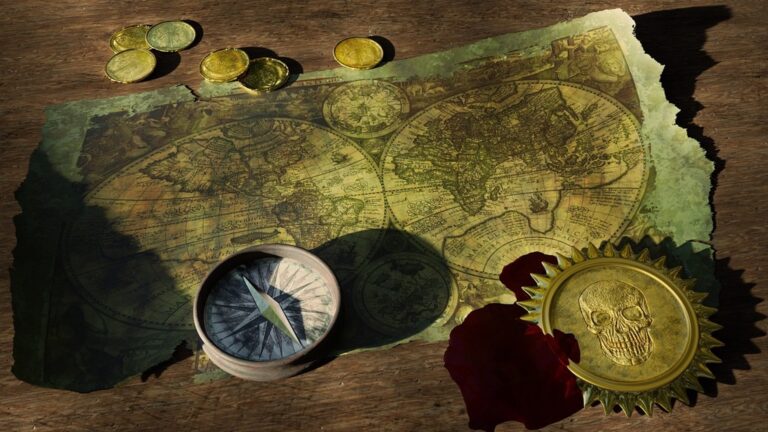
Vintage maps offer unmatched character that transforms any room into a sophisticated space with rich historical depth.
Frame Antique Maps for Classic Gallery Walls
Select matching frames in dark wood or black metal to create cohesive gallery arrangements. Choose maps from similar time periods—like 1800s European atlases or early American territorial surveys—to maintain visual consistency. Arrange three to five framed pieces in geometric patterns, mixing different map sizes while keeping 2-3 inches between frames. Position your gallery wall at eye level, with the center frame at 57-60 inches from the floor.
Create Map Collages Using Multiple Historical Periods
Combine maps spanning different centuries to showcase geographical evolution over time. Layer transparent or semi-opaque maps showing the same region from various decades, creating depth through overlapping boundaries. Use acid-free mounting materials to preserve original map integrity while building your collage. Incorporate both political and topographical maps to add texture variation, then mount the finished piece on museum-quality backing for long-term preservation.
[lasso id=”17271″]
Mount Large-Scale Maps as Dramatic Focal Points
Choose oversized vintage maps measuring 36×48 inches or larger to command attention in spacious rooms. Mount directly onto foam core or wooden backing without glass to eliminate reflective glare that diminishes visual impact. Position these statement pieces above sofas, beds, or dining areas where they’ll serve as conversation starters. Secure heavy mounted maps with appropriate wall anchors rated for the piece’s weight, typically requiring toggle bolts or wall studs for proper support.
Design Custom Map Art Using Personal Locations
Transform your most meaningful places into unique artistic expressions that tell your personal story through custom cartographic design.
Commission Hand-Drawn Maps of Meaningful Places
Commission an artist to create hand-drawn maps of your hometown, wedding venue, or first apartment for deeply personal wall art. Local artists often specialize in architectural illustration and can capture unique landmarks, street patterns, and neighborhood character that commercial maps miss. You’ll receive original artwork that reflects your emotional connection to specific locations while supporting independent creators.
Create Digital Art from Satellite Imagery
Download high-resolution satellite imagery from Google Earth Pro or USGS Earth Explorer to design custom prints of your favorite locations. Use photo editing software like Photoshop or GIMP to enhance colors, adjust contrast, and create artistic interpretations of aerial views. Export your creations as large-format prints that showcase the geometric patterns and natural textures visible from space.
Incorporate Travel Photos with Map Backgrounds
Layer your travel photographs over corresponding map sections using design software like Canva or Adobe InDesign for personalized travel art. Create photo collages that combine street-level imagery with topographic or road maps of the same locations. You’ll produce unique pieces that document your journeys while displaying the geographic context of your adventures.
Craft Three-Dimensional Map Sculptures and Displays
Transform flat maps into captivating sculptural art that adds depth and dimension to your space. Three-dimensional map displays create striking visual impact while celebrating geographic beauty through innovative artistic expression.
Build Layered Topographical Art Pieces
Cut multiple map layers from foam board or cardboard to create stunning elevation effects. Stack different topographic zones at varying heights using spacers between each layer. Mount your completed piece in a deep shadow box frame to emphasize the dimensional qualities. Consider using LED backlighting to highlight the elevation changes and create dramatic shadows that enhance the sculptural appearance of mountain ranges or coastal features.
Create Shadow Boxes with Map Elements
[lasso id=”7271″]
Design miniature worlds by combining map fragments with three-dimensional objects in shadow box frames. Include small figurines like hikers or vehicles positioned along mapped routes to tell geographic stories. Add natural elements such as tiny trees, rocks, or sand to represent different terrains shown on your maps. Layer multiple map sections at different depths to create visual interest and guide the viewer’s eye through your composed scene.
Construct Map-Based Dioramas and Models
Build detailed scale models using maps as foundational blueprints for architectural or landscape recreations. Use foam core or wood as your base structure and apply printed map sections as realistic surface textures. Incorporate model railroad accessories like trees and buildings to match the geographic features shown on your source maps. Create interactive displays by adding small lights to highlight cities or incorporating moveable elements that demonstrate geographic concepts.
Integrate Maps Into Functional Home Decor Items
Transform your space by incorporating maps into everyday objects that serve both aesthetic and practical purposes. These functional art pieces bring geographic beauty into your daily routine while maximizing your decorative investment.
Decoupage Furniture with Vintage Map Details
Repurpose old furniture pieces by applying vintage map sections using decoupage techniques. You’ll create unique statement pieces like coffee tables featuring nautical charts or dressers adorned with topographical maps of your favorite hiking regions. Sand furniture surfaces lightly, apply maps with decoupage medium, and finish with multiple protective coats. This method works particularly well on flat surfaces like tabletops, drawer fronts, and cabinet doors where the intricate map details remain visible and protected from daily wear.
Design Map-Themed Lighting Fixtures
Create stunning illuminated displays by incorporating maps into lampshades, pendant lights, and floor lamps. You can wrap cylindrical lampshades with translucent map prints that glow beautifully when lit, or construct geometric pendant fixtures using map-covered panels. Consider using LED strips behind framed maps to create backlit wall sconces that highlight topographical features. Globe lights made from vintage atlas pages add warmth to reading nooks while showcasing cartographic artistry through soft, diffused lighting.
Create Custom Map Wallpaper and Textiles
Transform entire walls or accent areas using custom map wallpaper designs featuring your chosen geographic regions. You can commission large-format prints of historical maps, satellite imagery, or stylized cartographic illustrations that match your room’s color palette. Extend this concept to textiles by creating custom throw pillows, curtains, or upholstery featuring map patterns. These larger-scale applications create immersive environments that celebrate your geographic interests while serving as dramatic design elements.
Explore Abstract Interpretations of Cartographic Elements
Transform traditional mapping elements into contemporary art by reimagining their visual components. These abstract approaches celebrate the inherent beauty of cartographic design while creating unique artistic expressions.
Paint Abstract Landscapes Inspired by Topographical Lines
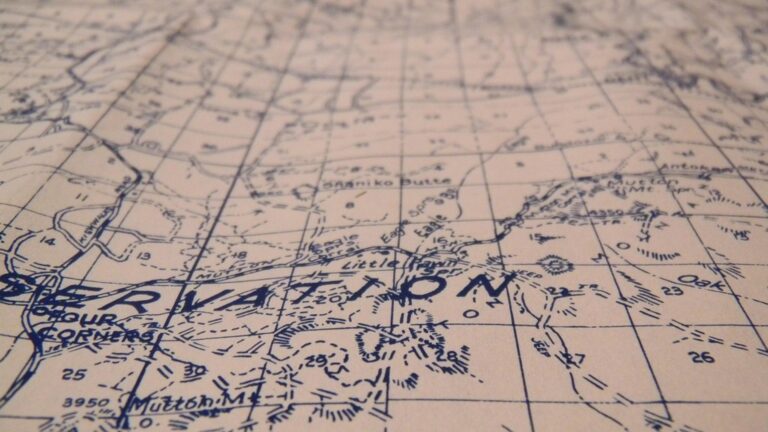
Paint flowing compositions using contour lines as your artistic foundation. You’ll create dynamic brushstrokes that mirror elevation patterns from topographical maps like USGS quadrangles. Transform these mathematical curves into gestural paintings using acrylic or watercolor techniques. Layer different colors to represent various elevation zones while maintaining the rhythmic flow of natural terrain. Experiment with metallic paints to add dimensional highlights that simulate the way light hits mountain ridges and valley floors.
Create Geometric Art Using Map Grid Systems
Design structured compositions based on coordinate grid frameworks from UTM or State Plane systems. You’ll use these mathematical divisions to create balanced geometric patterns with squares rectangles and intersecting lines. Apply contrasting colors within each grid section to emphasize the underlying surveying structure that organizes geographic space. Incorporate varying line weights to highlight primary meridians and parallels while using thinner lines for subdivision marks. Scale your artwork to emphasize the precision inherent in cartographic measurement systems.
Design Minimalist Pieces Based on Compass Rose Motifs
Simplify traditional compass rose designs into clean geometric forms using basic directional elements. You’ll focus on essential cardinal points while removing ornate decorative details common in historical navigation charts. Use monochromatic color schemes or subtle gradients to emphasize form over embellishment. Position multiple simplified compass elements at different scales to create visual rhythm across your composition. Integrate negative space strategically to highlight the directional purpose these symbols serve in wayfinding and orientation.
Combine Maps with Mixed Media Art Techniques
Mixed media techniques transform traditional maps into dynamic artistic expressions that bridge the gap between cartographic precision and creative interpretation.
Layer Maps with Watercolor and Acrylic Paints
[lasso id=”16032″]
Layer transparent watercolors over vintage maps to create dreamy, atmospheric effects that highlight specific geographical features. You’ll achieve stunning results by applying wet-on-wet techniques to coastal areas or mountain ranges, allowing colors to bleed naturally across political boundaries. Combine acrylic paints with map elements by painting abstract cloud formations over weather maps or adding bold color blocks to emphasize urban areas on city maps.
Incorporate Fabric and Textile Elements
Incorporate fabric pieces that match the geographical regions you’re highlighting, such as adding linen fragments to represent desert areas or silk patches for water bodies. You can stitch directly onto map surfaces using embroidery thread to trace highways or shipping routes, creating tactile pathways across your artwork. Attach vintage textile samples from different cultures to represent their geographical origins, building layered narratives that connect places with their material heritage.
Add Metallic Accents and Embossed Details
Add gold leaf along major river systems or trade routes to create luminous pathways that catch light and draw the eye across your composition. You’ll enhance topographical features by using copper foil to highlight mountain ranges or embossing powder to raise city locations above the map surface. Apply metallic paint pens to trace constellation patterns over star charts or use silver leafing to emphasize coastlines on nautical maps.
Conclusion
Maps offer endless possibilities for transforming your living space into a personalized gallery that reflects your unique story and aesthetic preferences. Whether you’re drawn to vintage cartography or contemporary interpretations these six approaches provide the foundation for creating meaningful art that goes beyond mere decoration.
The beauty of map art lies in its versatility and personal connection. You can start small with a single framed piece or commit to a comprehensive room transformation using multiple techniques. Each method allows you to celebrate geography while expressing your individual style.
Your journey into cartographic creativity doesn’t require expensive materials or professional training. With basic supplies and imagination you can transform any map into a stunning focal point that sparks conversation and adds character to your home.
Frequently Asked Questions
What makes maps effective as home décor art pieces?
Maps offer unique aesthetic appeal beyond navigation, combining educational value with visual beauty. They serve as conversation starters, showcase regional pride, and create personalized focal points. Their intricate details, color schemes, and historical significance make them versatile decorative elements that can enhance any living space while reflecting personal interests and travels.
How can I create a cohesive gallery wall using vintage maps?
Choose maps with similar color palettes, time periods, or geographical themes. Use consistent framing styles and arrange them in balanced compositions. Consider mixing different map sizes while maintaining visual harmony. Focus on a specific region or era to create thematic unity, and space frames evenly for professional-looking results.
What are some creative ways to make custom map art?
Commission hand-drawn maps from local artists featuring meaningful locations, create digital art using satellite imagery, or layer travel photos over map backgrounds. You can also design map collages showing geographical evolution, create personalized pieces highlighting special places, or combine multiple maps to tell your unique story.
How do I incorporate maps into functional home décor items?
Use vintage map decoupage on furniture surfaces, design custom map-themed lighting fixtures, or create map wallpaper for accent walls. Consider making map-covered storage boxes, designing map placemats, or creating custom lampshades. These functional pieces blend practicality with artistic expression while maintaining the maps’ visual appeal.
What are three-dimensional map art techniques I can try?
Build layered topographical art pieces using cut map sections at different heights, create shadow boxes combining map fragments with 3D objects, or construct sculptural displays using map materials. You can also make relief maps using papier-mâché techniques or create dimensional art by folding and shaping map sections.
How can I create abstract art inspired by cartographic elements?
Transform topographical lines into abstract painted landscapes, use map grid systems as foundations for geometric art, or design minimalist pieces based on compass rose motifs. Focus on cartographic symbols, colors, and patterns rather than literal representation. This approach celebrates mapping aesthetics while creating contemporary artistic expressions.
What mixed media techniques work well with map art?
Layer transparent watercolors and acrylics over vintage maps for atmospheric effects, incorporate fabric elements representing different geographical regions, or add metallic accents and embossed details for visual impact. Combine photography, painting, and collage techniques to create dynamic pieces that bridge cartographic precision with creative interpretation.
Where should I display large-scale map art for maximum impact?
Mount oversized maps as dramatic focal points on main walls in living rooms, dining areas, or hallways. Ensure adequate lighting to showcase details and choose walls with minimal competing elements. Consider the room’s color scheme and furniture placement to create balanced compositions that draw attention without overwhelming the space.