6 Best Geological Mapping Tools
The big picture: You’re witnessing the most dramatic transformation in geological mapping since the field began centuries ago. Traditional methods that relied on compass readings and hand-drawn sketches have evolved into sophisticated digital systems powered by satellites and artificial intelligence.
Why it matters: Understanding these changes isn’t just academicâit affects everything from mineral exploration to earthquake prediction. Modern geological mapping delivers unprecedented accuracy and speed that’s revolutionizing how scientists study Earth’s structure and predict natural disasters.
Disclosure: As an Amazon Associate, this site earns from qualifying purchases. Thank you!
Technology Used in Data Collection
The technological revolution in geological mapping has transformed how you collect and process field data. Modern digital systems now replace centuries-old manual techniques that relied heavily on human observation and basic instruments.
P.S. check out Udemy’s GIS, Mapping & Remote Sensing courses on sale here…
Hand-Drawn Field Sketches vs Digital Recording Systems
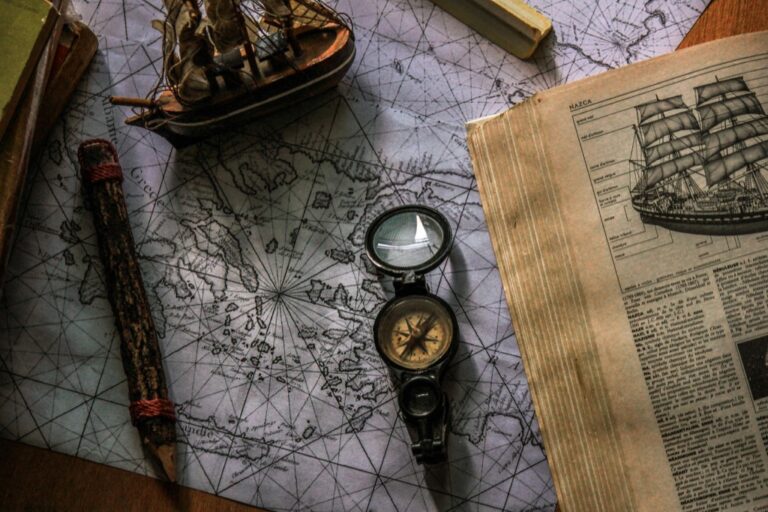
Traditional geological mapping required you to create detailed hand-drawn sketches of rock formations, fault lines, and stratigraphic sequences using pencil and paper in field notebooks. Modern geological mapping utilizes tablet computers with specialized software like FieldMove and StraboSpot that allow you to create digital sketches, annotate photographs, and record GPS coordinates simultaneously. Digital systems enable you to sync field data instantly with laboratory databases and share real-time updates with research teams.
[lasso id=”16051″]
Basic Surveying Tools vs GPS and Satellite Technology
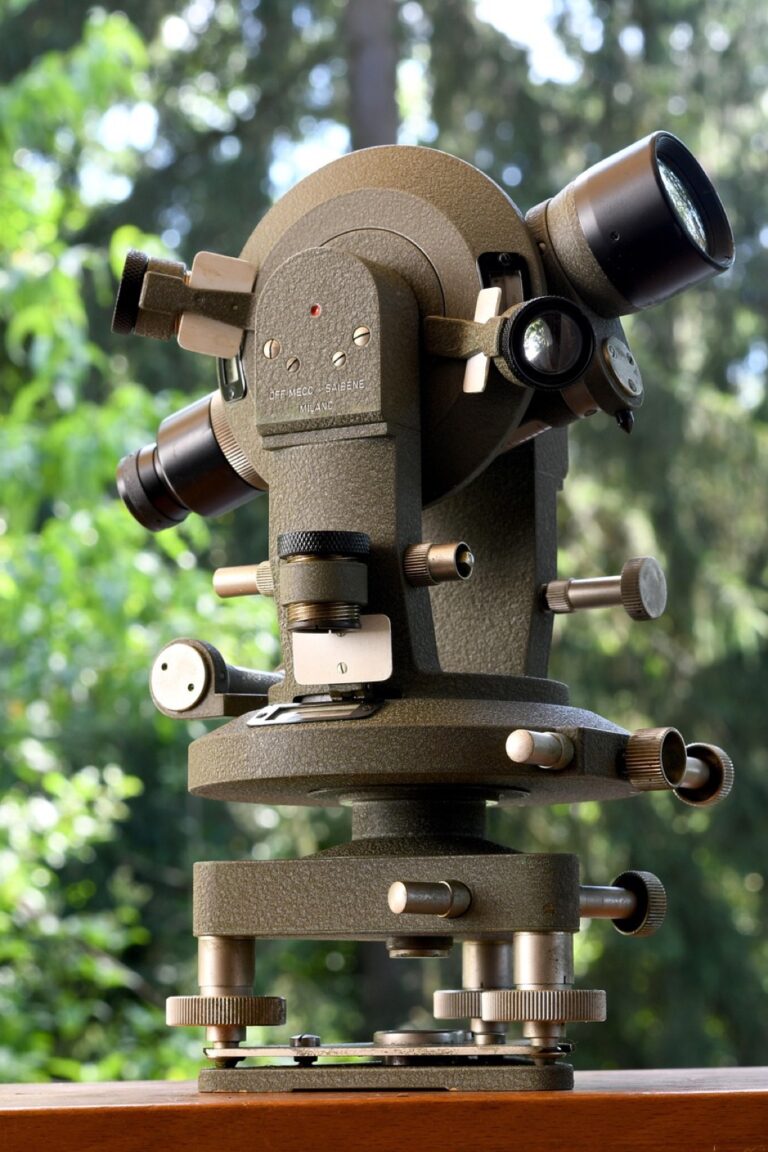
Historical geological surveys depended on compass readings, chain measurements, and triangulation methods using theodolites to determine precise locations and elevations across terrain. Contemporary mapping employs GPS receivers with sub-meter accuracy, differential GPS systems for centimeter-level precision, and integration with satellite navigation constellations like GLONASS and Galileo. You can now collect spatial data with accuracy levels that would have required weeks of traditional surveying in just minutes.
[lasso id=”7211″]
Visual Observations vs Remote Sensing Capabilities
Past geological studies relied entirely on direct visual examination of rock outcrops, requiring geologists to physically access every location for mineral identification and structural analysis. Modern remote sensing technology provides you with multispectral satellite imagery, LiDAR scanning, hyperspectral analysis, and drone-based photogrammetry to identify geological features from distances. You can now detect mineral compositions, map subsurface structures, and analyze terrain characteristics across vast areas without setting foot on the ground.
Scale and Scope of Mapping Projects
Modern geological mapping has transformed the scope of what you can accomplish in a single project. While historical efforts focused on immediate surroundings, today’s digital capabilities enable comprehensive territorial analysis across vast regions.
Local Area Focus vs Regional and Global Coverage
Historical geological mapping confined you to studying small, accessible areas within walking distance of base camps. Early geologists mapped individual outcrops, single valleys, or local mining districts using compass-and-chain surveys that covered just a few square kilometers.
Modern mapping projects span entire continents through satellite imagery and airborne surveys. You can now map geological formations across thousands of square kilometers simultaneously, creating seamless regional datasets that connect local observations to broader tectonic patterns and mineral distribution networks.
Limited Geographic Reach vs Comprehensive Territorial Mapping
Traditional mapping required physical access to every location, limiting your studies to areas reachable by foot or horseback. Remote regions, mountainous terrain, and dangerous territories remained unmapped for decades, creating significant gaps in geological understanding.
Contemporary mapping technologies eliminate geographic barriers through remote sensing and drone surveys. You can map inaccessible areas including deep ocean floors, polar ice sheets, and hazardous volcanic zones, creating complete territorial coverage that encompasses previously unreachable geological formations.
Single Formation Studies vs Multi-Layered Geological Analysis
Historical mapping focused on documenting surface geology and individual rock formations visible at specific locations. Field geologists recorded single-layer observations, creating maps that showed only what they could directly observe and physically sample during expeditions.
Modern geological mapping integrates subsurface data through geophysical surveys, seismic imaging, and drilling programs. You can analyze multiple geological layers simultaneously, creating three-dimensional models that reveal complex structural relationships, groundwater systems, and mineral deposits buried beneath surface formations.
Accuracy and Precision Standards
Modern geological mapping achieves measurement precision that historical methods couldn’t match. You’ll find today’s accuracy standards revolutionize how geological data supports critical infrastructure and resource decisions.
Approximate Measurements vs Exact Coordinate Systems
Historical geological mapping relied on compass bearings and estimated distances, creating maps with errors ranging from 50-200 meters. You’d encounter hand-drawn sketches that approximated geological boundaries using local landmarks as reference points.
Modern coordinate systems deliver sub-meter accuracy through GPS and survey-grade instruments. You can now pinpoint geological features within 1-3 centimeters using differential GPS, creating maps that meet international surveying standards for precision geological work.
Estimated Depths vs Precise Subsurface Data
Traditional depth measurements used visual estimates and basic drilling logs, often producing errors of 10-30% in subsurface calculations. You’d rely on surface observations and limited borehole data to infer geological structures below ground.
Contemporary subsurface mapping employs seismic surveys, ground-penetrating radar, and advanced drilling techniques to achieve depth accuracy within 1-5% margins. You can now create detailed 3D models showing precise geological layer thicknesses and fault positions hundreds of meters underground.
General Rock Classifications vs Detailed Mineral Compositions
Historical rock classification systems used basic field identification, grouping formations into broad categories like “sandstone” or “limestone” without detailed composition analysis. You’d document general rock types based on visual characteristics and simple field tests.
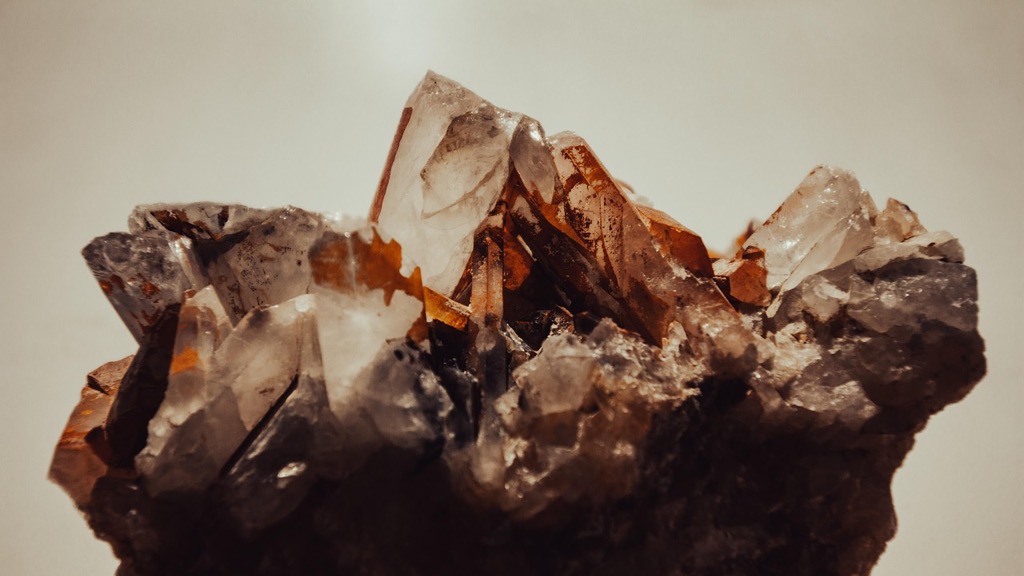
Modern analytical techniques provide precise mineral percentages and chemical compositions through X-ray diffraction and spectroscopic analysis. You can now identify specific mineral assemblages, trace element concentrations, and detailed petrographic characteristics that reveal formation processes and economic potential.
Time Required for Completion
Modern geological mapping dramatically reduces project timelines compared to historical methods that required extensive manual fieldwork and documentation.
Years-Long Expeditions vs Rapid Data Acquisition
Historical geological mapping required 3-5 year expeditions with teams spending months in remote locations documenting formations by hand. Modern satellite imagery and LiDAR systems complete regional surveys in weeks, with automated processing delivering preliminary maps within days. You can now map areas that previously took decades using real-time data acquisition systems and cloud-based processing platforms.
Seasonal Fieldwork Limitations vs Year-Round Operations
Traditional mapping depended on favorable weather conditions, limiting fieldwork to 4-6 months annually in many regions. Remote sensing technologies operate continuously regardless of weather, with synthetic aperture radar penetrating cloud cover and snow. You’ll achieve consistent data collection year-round through satellite constellations that provide regular coverage updates without seasonal interruptions.
Manual Processing vs Automated Analysis Systems
Historical data processing required months of manual calculations, hand-drawn cross-sections, and laboratory analysis with weeks-long turnaround times. Modern GIS systems process terabytes of geological data in hours using machine learning algorithms for pattern recognition and automated classification. You can generate detailed subsurface models and mineral distribution maps through AI-powered analysis systems that previously required teams of specialists working for months.
Visualization and Presentation Methods
The evolution from analog to digital presentation transforms how geological data reaches diverse audiences. Modern interactive systems replace static documentation with dynamic exploration tools.
Hand-Colored Paper Maps vs Digital Interactive Models
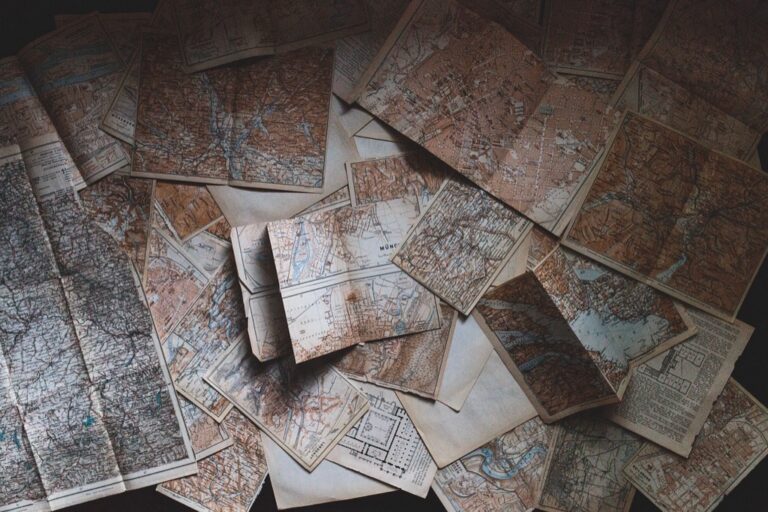
Hand-colored paper maps required hours of manual drafting with watercolors and technical pens to represent geological formations. You’d create single-purpose maps showing specific rock units or stratigraphic relationships through color-coded legends and hand-lettered annotations.
[lasso id=”16032″]
Digital interactive models let you layer multiple datasets simultaneously through GIS platforms like ArcGIS Pro or QGIS. You can toggle between geological units, topography, and geophysical data while zooming from regional overviews to outcrop-level detail with real-time attribute queries.
Cross-Section Drawings vs Three-Dimensional Renderings
Cross-section drawings involved hand-sketching vertical profiles using field measurements and interpolated subsurface data. You’d create 2D interpretations showing rock layer relationships along single transect lines with approximate depth estimates based on surface observations.
Three-dimensional renderings utilize seismic data and borehole information through specialized software like Leapfrog Geo or Move. You can generate volumetric models showing complex fault systems, ore body geometries, and stratigraphic architectures with precise spatial coordinates and quantified uncertainty ranges.
[lasso id=”7295″]
Static Illustrations vs Dynamic Geological Simulations
Static illustrations presented fixed geological interpretations through hand-drawn diagrams and photographic plates. You’d document single time-slice conditions showing current rock distributions and structural features without temporal or process visualization capabilities.
Dynamic geological simulations model evolutionary processes through specialized platforms like Badlands or pyBadlands. You can visualize landscape evolution, sediment transport, and structural deformation over geological time scales with adjustable parameters for climate, tectonics, and erosion rates.
Accessibility and Distribution Channels
The distribution of geological mapping data has transformed dramatically from exclusive physical archives to universal digital platforms that democratize access to critical earth science information.
Limited Physical Copies vs Global Digital Access
Historical geological maps existed as single master copies stored in government archives or university libraries. You’d need to physically visit these institutions or request expensive reproductions through mail correspondence. Modern digital geological mapping platforms like the USGS National Map and OneGeology provide instant global access to millions of maps. You can download high-resolution geological data from anywhere with internet connectivity. Digital distribution eliminates the scarcity constraints that once limited geological knowledge to a select few researchers and institutions.
Academic Institution Archives vs Online Database Platforms
Traditional geological maps were housed in specialized academic collections with restricted access hours and limited viewing privileges. You’d schedule appointments weeks in advance and work under supervised conditions with irreplaceable documents. Contemporary online geological databases like GeoScienceWorld and the British Geological Survey’s digital archive offer 24/7 accessibility to vast collections. You can search metadata instantly and access layered datasets that combine multiple survey efforts. Modern platforms provide advanced filtering tools that help you locate specific geological formations or mineral deposits across different time periods and scales.
Professional Geologist Networks vs Public Information Systems
Historical geological information circulated through exclusive professional societies and government agencies with membership requirements. You’d rely on personal connections and industry conferences to access cutting-edge mapping data. Modern geological mapping embraces open-data principles through platforms like the USGS ScienceBase and state geological survey websites. You can access real-time geological hazard maps and mineral resource assessments without professional credentials. Crowdsourced geological databases now allow citizen scientists to contribute field observations that enhance official mapping efforts through collaborative data collection networks.
Conclusion
The evolution from historical to modern geological mapping represents one of the most dramatic technological transformations in earth sciences. You’ve witnessed how centuries-old manual techniques have given way to sophisticated digital systems that deliver unprecedented accuracy and speed.
These advancements directly impact your understanding of Earth’s processes and resources. Modern mapping technologies enable you to access real-time geological data from anywhere while contributing to critical applications like disaster preparedness and mineral exploration.
The democratization of geological information through digital platforms means you’re no longer limited by physical archives or exclusive access. Today’s mapping capabilities continue pushing boundaries as artificial intelligence and machine learning revolutionize how geological data gets collected analyzed and shared globally.
Frequently Asked Questions
What is the main difference between traditional and modern geological mapping methods?
Traditional geological mapping relied on manual techniques like compass readings and hand-drawn sketches, while modern methods use digital systems with satellites and artificial intelligence. This technological shift has dramatically improved accuracy and speed, enabling precise measurements and real-time data collection that was impossible with historical methods.
How has GPS technology improved geological mapping accuracy?
GPS technology has revolutionized mapping precision by achieving sub-meter accuracy compared to traditional methods that had errors of 50-200 meters. Modern coordinate systems provide exact spatial positioning, while contemporary depth measurements maintain 1-5% accuracy versus the 10-30% error rates of historical techniques.
What are the time advantages of modern geological mapping?
Modern mapping dramatically reduces project timelines from years to weeks or days. Historical expeditions required 3-5 years with months of fieldwork, while satellite imagery and LiDAR systems complete regional surveys in weeks. Automated processing delivers preliminary maps within days using machine learning algorithms.
How has data accessibility changed in geological mapping?
Geological data has transformed from limited physical archives to global digital platforms. Historical maps were confined to exclusive libraries requiring physical visits, while modern platforms like USGS National Map provide instant 24/7 access to millions of high-resolution maps from anywhere with internet connectivity.
[lasso id=”16952″]
What visualization improvements have been made in geological mapping?
Modern mapping has evolved from hand-colored paper maps to interactive 3D digital models. Users can now layer multiple datasets, explore geological information dynamically, and view volumetric models that accurately depict complex features. Dynamic simulations even model geological processes over time scales.
How do remote sensing technologies benefit geological studies?
Remote sensing allows geologists to analyze geological features and mineral compositions from a distance, significantly expanding study scope. These technologies operate year-round regardless of weather conditions, unlike traditional methods that depended on favorable conditions, ensuring consistent data collection.
What role does artificial intelligence play in modern geological mapping?
AI enhances modern geological mapping through automated data processing and analysis. Machine learning algorithms can process terabytes of geological data in hours, generating detailed subsurface models and mineral distribution maps that would take months to create manually using traditional methods.