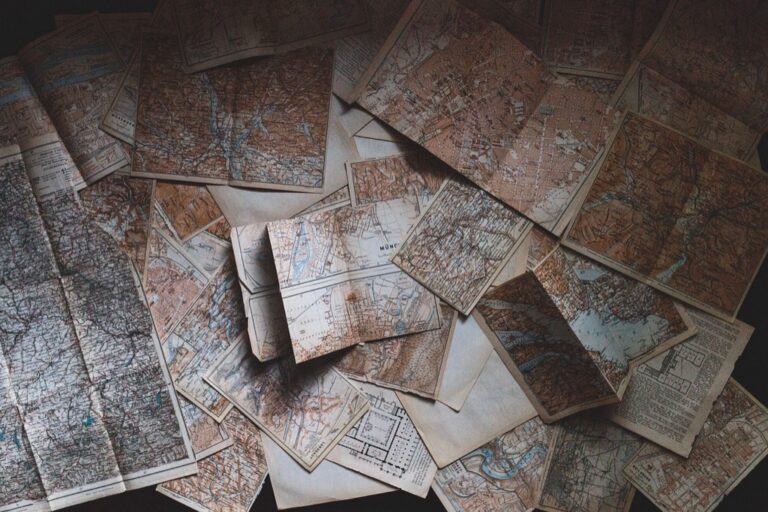
7 Best Map Printing Papers
Why it matters: The paper you choose for map printing directly impacts readability durability and overall presentation quality.
The big picture: Professional cartographers and casual map enthusiasts alike need to understand paper characteristics like weight texture and coating to achieve optimal results.
What’s next: These seven essential tips will help you select the perfect paper for your specific mapping project whether you’re creating wall displays field guides or archival documents.
[lasso id=”17607″]
P.S. check out Udemy’s GIS, Mapping & Remote Sensing courses on sale here…
Disclosure: As an Amazon Associate, this site earns from qualifying purchases. Thank you!
Understand Your Map’s Purpose and Usage Requirements
Your map’s intended purpose directly influences which paper characteristics matter most. Different applications demand specific paper properties to ensure optimal performance and longevity.
Consider Indoor vs Outdoor Applications
Indoor maps require different paper properties than outdoor field guides. Climate-controlled environments allow you to use standard coated papers that offer excellent print quality and color reproduction. Outdoor applications demand weather-resistant synthetic papers or waterproof coatings that withstand moisture, temperature fluctuations, and UV exposure. You’ll find that Tyvek and polyester-based substrates perform exceptionally well in harsh field conditions where traditional paper would deteriorate rapidly.
Determine Handling Frequency and Durability Needs
Reference maps used daily need heavyweight papers (minimum 80gsm) with tear-resistant properties to survive constant folding and handling. You should select papers with enhanced wet strength if your maps will encounter moisture during use. Archival maps or display pieces can use lighter weight papers since they experience minimal physical stress. Consider lamination or protective sleeves for frequently handled maps to extend their operational lifespan significantly.
[lasso id=”17138″]
Assess Display vs Reference Usage
Display maps benefit from premium coated papers that showcase vibrant colors and fine detail reproduction for maximum visual impact. You’ll want semi-gloss or matte finishes that minimize glare while maintaining color saturation. Reference maps prioritize readability and durability over aesthetic appeal, making uncoated bond papers ideal for field notebooks and working documents. Choose papers with good ink absorption to prevent smudging during active use in challenging environments.
[lasso id=”16051″]
Choose the Right Paper Weight for Optimal Performance
Paper weight directly impacts your map’s durability, handling characteristics, and printing quality. Selecting the appropriate GSM (grams per square meter) ensures your cartographic work performs optimally for its intended application.
Benefits of Lightweight Papers (60-80 GSM)
Lightweight papers excel for temporary mapping projects and cost-effective bulk printing. You’ll find these papers ideal for draft maps, field sketches, and educational handouts where frequent reprinting is expected. They fold easily for field notebooks and reduce shipping costs for large-quantity distributions. However, you should expect increased transparency and potential bleed-through with heavy ink coverage, making them unsuitable for double-sided detailed topographic work.
Advantages of Medium Weight Papers (90-120 GSM)
Medium weight papers provide the optimal balance between durability and cost-effectiveness for most mapping applications. You’ll achieve excellent print quality with minimal show-through while maintaining reasonable flexibility for folding and handling. These papers work exceptionally well for hiking maps, city guides, and reference atlases that require moderate durability. They accept both inkjet and laser printing technologies effectively, making them versatile for various printing workflows and cartographic design requirements.
When to Use Heavy Weight Papers (150+ GSM)
Heavy weight papers deliver maximum durability and premium presentation quality for professional cartographic displays. You should choose these papers for wall-mounted maps, archival documents, and presentation materials requiring frequent handling. They eliminate transparency issues completely and provide superior color saturation for detailed topographic features and complex symbology. The increased thickness enhances perceived value and professional appearance, though you’ll face higher costs and potential feeding issues with some desktop printers.
Select the Appropriate Paper Finish for Your Needs
Your paper finish choice directly impacts how map colors render and how users interact with your printed maps. Each finish type offers distinct advantages for different mapping applications.
Matte Finish for Reduced Glare and Professional Look
Matte finish eliminates surface reflections that can obscure critical map details under bright lighting conditions. You’ll achieve excellent readability in offices, classrooms, and outdoor environments where glare poses viewing challenges. This finish provides superior ink absorption for sharp text rendering and precise line work, making it ideal for technical maps, topographic surveys, and educational materials. Professional cartographers prefer matte papers for field guides and reference maps where functionality trumps visual drama.
Glossy Finish for Vibrant Colors and Detail Enhancement
Glossy finish maximizes color saturation and contrast ratios, producing the most vibrant map presentations possible. You’ll see dramatically enhanced blues in water features, richer greens in vegetation areas, and more pronounced elevation shading in relief maps. This finish creates sharp detail definition that makes small text and fine cartographic elements pop from the page. Tourist maps, promotional materials, and display maps benefit most from glossy finishes, though handling requires care to prevent fingerprints and scratches.
[lasso id=”7259″]
[lasso id=”7259″]
Satin Finish as the Perfect Middle Ground
Satin finish combines moderate color enhancement with practical glare reduction, delivering balanced performance for versatile mapping applications. You’ll get approximately 80% of glossy’s color vibrancy while maintaining 90% of matte’s anti-reflective properties. This finish handles moderate touching without showing fingerprints as readily as glossy papers, making it perfect for frequently referenced maps. General-purpose maps, hiking guides, and multi-use cartographic products perform exceptionally well on satin finish papers.
Consider Paper Size and Format Compatibility
Your printer’s capabilities and your map’s dimensions must align perfectly to achieve professional results.
Standard Paper Sizes vs Custom Dimensions
Standard sizes like A0 (33.1″ × 46.8″) and A1 (23.4″ × 33.1″) offer cost-effective solutions for most topographic and street maps. These formats work seamlessly with commercial printing equipment and reduce material waste. Custom dimensions provide flexibility for specialized projects like trail maps or cadastral surveys but increase printing costs by 15-30%. You’ll find standard sizes ideal for educational materials and reference maps, while custom formats suit unique display requirements or specialized cartographic applications.
Roll Paper vs Sheet Paper Options
Roll paper accommodates large-format maps exceeding 60 inches in width, making it essential for corridor maps, utility layouts, and regional surveys. This format eliminates size constraints and reduces per-square-foot costs for extensive cartographic projects. Sheet paper provides superior handling characteristics and dimensional stability for maps under 36 inches. You’ll achieve better registration accuracy and color consistency with sheet formats, particularly important for technical drawings and cadastral maps requiring precise measurements and annotations.
Printer Compatibility and Feed Mechanisms
Friction-feed systems handle lightweight papers (60-90 GSM) effectively but struggle with heavyweight stocks above 200 GSM. These mechanisms work best for draft maps and temporary displays. Vacuum-feed plotters accommodate papers up to 300 GSM and maintain consistent registration across large formats. You’ll need vacuum systems for professional presentations and archival maps requiring heavyweight substrates. Manual-feed options provide maximum flexibility for specialty papers like synthetic substrates and textured stocks essential for outdoor applications.
Evaluate Ink Absorption and Color Reproduction Quality
Paper surface characteristics directly impact how your map’s colors appear and how well fine details reproduce during printing.
Coated vs Uncoated Paper Performance
Coated papers deliver superior color saturation and sharp detail reproduction for topographic maps and satellite imagery. The coating prevents ink from spreading into paper fibers, maintaining precise line work and vibrant color gradients. Uncoated papers absorb ink more readily, creating softer color transitions that work well for reference maps and field guides where glare reduction matters more than maximum color intensity.
[lasso id=”16313″]
ICC Profile Compatibility for Accurate Colors
ICC color profiles ensure your digital map colors translate accurately to print by defining how your printer interprets color data on specific paper types. Premium coated papers typically include manufacturer ICC profiles that maintain color consistency across different print runs. You’ll achieve the most accurate elevation coloring and boundary delineation when your RIP software properly applies these profiles during the printing process.
Dot Gain Considerations for Fine Details
Dot gain occurs when ink droplets spread beyond their intended size on paper, potentially blurring contour lines and small text labels. Coated papers minimize dot gain to preserve fine cartographic details like elevation contours and road classifications. Uncoated papers exhibit higher dot gain, requiring you to adjust line weights and font sizes during map design to compensate for this natural spreading effect.
Factor in Longevity and Archival Properties
Archival quality becomes essential when creating maps for long-term storage, institutional collections, or valuable reference materials. Professional preservation standards ensure your cartographic work maintains its quality and usability for decades.
Acid-Free Papers for Long-Term Preservation
[lasso id=”17062″]
Acid-free papers prevent the yellowing and brittleness that plague standard papers over time. These papers maintain a neutral pH of 7.0 or higher, ensuring your maps won’t deteriorate from internal chemical reactions. Look for papers labeled “archival quality” or “museum grade” with calcium carbonate buffering agents. Cotton-based papers like Mohawk Superfine or Arches Cover provide exceptional longevity for valuable maps. Your investment in acid-free stock protects cartographic details and color integrity for 100+ years when stored properly.
UV Resistance for Fade Prevention
UV-resistant papers and coatings protect your maps from sunlight damage that causes color fading and paper degradation. Specialized UV-blocking additives in the paper coating reflect harmful wavelengths while preserving color vibrancy. Papers like Epson Exhibition Fiber or Hahnemühle Photo Rag incorporate UV protection directly into their manufacturing process. These materials maintain color accuracy even in display environments with indirect sunlight exposure. Your maps retain their original appearance and readability when protected from UV degradation through proper paper selection.
Moisture Resistance for Challenging Environments
Moisture-resistant papers prevent warping, mold growth, and ink bleeding in humid conditions or outdoor applications. Synthetic papers like Yupo or Teslin offer complete waterproof protection while maintaining printability with standard inkjet systems. Semi-synthetic options like Kimdura provide moisture resistance with traditional paper handling characteristics. These materials excel in field conditions, coastal environments, or basement storage where humidity levels fluctuate. Your maps remain dimensionally stable and legible even when exposed to condensation or brief water contact.
Balance Quality Requirements with Budget Constraints
Finding the optimal balance between paper quality and project costs determines the success of your map printing endeavors. Smart paper selection ensures you meet technical requirements while maximizing your printing budget.
Cost-Effective Options for High-Volume Printing
Standard bond papers in the 80-100 GSM range offer reliable performance for large-scale map production at competitive prices. These uncoated papers work well for reference maps, educational materials, and draft versions where color accuracy isn’t critical. Offset printing on standard bond achieves sharp line work and readable text at costs 40-60% lower than premium alternatives. You’ll find these papers ideal for topographic maps, hiking guides, and technical drawings where durability matters more than visual impact.
Premium Papers for Professional Presentations
Heavyweight coated papers in the 150-200 GSM range deliver exceptional color reproduction and professional appearance for client presentations and display maps. These papers feature smooth surfaces that enhance fine detail rendering and provide superior ink holdout for vibrant colors. Museum-quality cotton papers offer archival properties worth the investment for permanent installations. Expect to pay 2-3 times more than standard papers, but the enhanced visual impact and longevity justify costs for high-visibility mapping projects.
Bulk Purchasing Strategies for Better Pricing
Volume purchasing reduces per-sheet costs by 20-35% when ordering 500+ sheets of specialty mapping papers. Establish relationships with paper distributors who offer educational or professional discounts for cartographic applications. Consider pooling orders with other mapmakers or departments to reach volume thresholds. Stock versatile papers like 120 GSM semi-gloss that work across multiple project types, reducing inventory complexity while maintaining bulk pricing advantages.
Conclusion
Your map printing success ultimately depends on making informed paper choices that align with your specific project requirements. By considering factors like intended use durability requirements paper weight and finish options you’ll create maps that serve their purpose effectively while staying within budget.
Remember that there’s no one-size-fits-all solution when it comes to paper selection. The key is matching your paper characteristics to your map’s intended application whether that’s a waterproof hiking guide or an elegant wall display for your office.
Take time to test different paper types before committing to large print runs. This approach will help you avoid costly mistakes and ensure your final maps meet both your quality standards and functional needs.
Frequently Asked Questions
What type of paper is best for outdoor maps?
For outdoor maps, weather-resistant synthetic papers are recommended. These materials provide superior moisture resistance and prevent warping, ink bleeding, and deterioration in humid conditions. Unlike standard papers, synthetic options maintain their structural integrity and readability when exposed to outdoor elements, making them ideal for field guides and hiking maps.
How does paper weight affect map printing quality?
Paper weight significantly impacts durability and handling characteristics. Lightweight papers (60-80 GSM) work well for temporary projects, medium weight (90-120 GSM) offers balanced durability and cost-effectiveness, while heavyweight papers (150+ GSM) provide maximum durability and premium presentation quality for professional displays and archival purposes.
Should I choose matte or glossy finish for my map?
The choice depends on your map’s purpose. Matte finish reduces glare and provides a professional appearance, ideal for technical maps and educational materials. Glossy finish enhances color vibrancy and detail, perfect for tourist and promotional maps. Satin finish offers a balanced option, combining moderate color enhancement with glare reduction.
What’s the difference between coated and uncoated paper for maps?
Coated papers provide superior color saturation, sharp detail reproduction, and minimize dot gain, making them ideal for display maps with vibrant colors. Uncoated papers absorb ink more readily, creating softer color transitions and better durability for reference maps that prioritize readability and frequent handling over visual impact.
How important is acid-free paper for map archival?
Acid-free paper is crucial for long-term map storage and institutional collections. It prevents deterioration, yellowing, and brittleness over time. Cotton-based acid-free papers offer exceptional longevity, making them essential for historical maps, archival documents, and any cartographic materials intended for permanent preservation and institutional use.
What paper size should I choose for large-format maps?
For large-format maps, consider standard sizes like A0 and A1 for cost-effectiveness and commercial printing compatibility. Custom dimensions offer design flexibility but at higher costs. Roll paper works well for very large maps, while sheet paper provides better handling accuracy for smaller formats and precise cutting requirements.
How can I balance quality and budget for map printing?
Use standard bond papers (80-100 GSM) for high-volume reference maps and drafts to control costs. Invest in heavyweight coated papers (150-200 GSM) only for professional presentations requiring exceptional visual impact. Consider bulk purchasing, building distributor relationships, and pooling orders to achieve better pricing on specialty mapping papers.