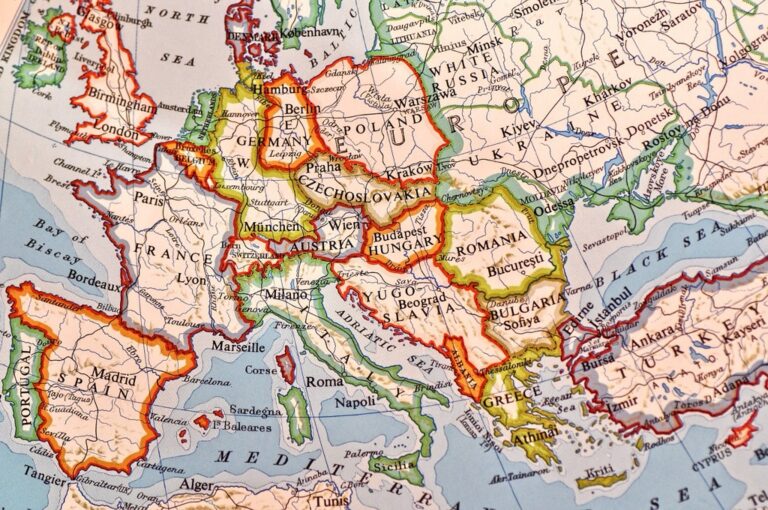
7 Best Map Data Sourcing Practices
Why it matters: Your business relies on map data daily but you might be unknowingly violating licensing agreements or using unethically sourced geographic information that could expose you to legal risks and damage your reputation.
The big picture: Map data sourcing has become increasingly complex as companies scramble to integrate location services while navigating a maze of licensing requirements proprietary datasets and open-source alternatives.
What’s next: Understanding proper attribution practices and establishing ethical sourcing protocols isn’t just about legal complianceâit’s about building sustainable partnerships with data providers and contributing to the broader mapping ecosystem responsibly.
Disclosure: As an Amazon Associate, this site earns from qualifying purchases. Thank you!
P.S. check out Udemy’s GIS, Mapping & Remote Sensing courses on sale here…
Understanding the Importance of Ethical Map Data Sourcing
Ethical map data sourcing forms the foundation of responsible geographic information systems and protects your organization from significant legal and reputational risks.
[lasso id=”16024″]
Legal Compliance and Copyright Protection
Proper licensing prevents costly legal disputes and ensures your mapping projects comply with intellectual property laws. Many commercial map datasets carry specific usage restrictions that limit redistribution, modification, or commercial applications. You’ll face potential lawsuits, cease-and-desist orders, and substantial financial penalties when using unlicensed data. OpenStreetMap, government datasets, and properly licensed commercial sources provide clear legal frameworks that protect your projects from copyright infringement claims.
Building Trust With Users and Stakeholders
Transparent data sourcing builds credibility with your audience and demonstrates professional integrity in your mapping work. Users increasingly scrutinize data sources, especially for applications involving public safety, navigation, or critical infrastructure. You’ll strengthen stakeholder confidence by clearly documenting your data sources and attribution practices. Ethical sourcing practices also prevent potential scandals that could damage your organization’s reputation and user trust in your mapping applications.
Supporting Fair Compensation for Data Contributors
Ethical licensing ensures data creators receive appropriate compensation for their work and encourages continued innovation in the mapping industry. Many mapping datasets represent significant investments in field surveys, satellite imagery, and technical processing. You’ll contribute to a sustainable mapping ecosystem by paying fair licensing fees and following attribution requirements. This support enables data providers to maintain accuracy, expand coverage, and develop new mapping technologies that benefit the entire industry.
Identifying Reliable and Legitimate Data Sources
Finding trustworthy map data sources requires careful evaluation of provider credentials, data quality standards, and licensing transparency.
Evaluating Government and Official Mapping Agencies
Government mapping agencies like USGS, Census Bureau, and NOAA provide the most authoritative spatial datasets available. You’ll find these sources offer comprehensive documentation, standardized metadata, and clear usage rights that simplify attribution requirements. Verify the agency’s official website and check for current data release schedules, as government sources typically update datasets on predictable cycles with thorough quality control processes.
Assessing Commercial Data Providers and Their Licensing Terms
Commercial providers like Esri, HERE, and Mapbox offer detailed licensing documentation that clearly outlines usage rights and attribution requirements. You should examine sample licensing agreements before committing to any provider, paying close attention to redistribution rights, derivative work permissions, and territorial restrictions. Request trial access to evaluate data quality, update frequency, and technical support responsiveness before making purchasing decisions.
Verifying Open Source and Community-Generated Data Quality
OpenStreetMap and similar community platforms require rigorous quality assessment due to variable contributor expertise and inconsistent data standards. You can validate accuracy by cross-referencing multiple datasets and checking edit histories for suspicious patterns or automated contributions. Focus on areas with active contributor communities and recent editing activity, as these regions typically maintain higher data quality and more current information.
Implementing Proper Attribution Practices
Proper attribution forms the foundation of ethical map data usage and protects your organization from legal complications. You’ll need systematic approaches to credit data sources accurately across all your mapping applications.
Creating Clear and Visible Credit Systems
Establish standardized attribution formats that prominently display data source information in your mapping interfaces. You should place attribution text in consistent locations like map corners or footer areas where users can easily locate credits without interfering with map functionality.
Design attribution systems that automatically update when you switch between different data layers or zoom levels. Your credit display should include essential elements like data provider names, copyright dates, and licensing terms in readable font sizes that meet accessibility standards for digital mapping applications.
Following Platform-Specific Attribution Requirements
Review each platform’s unique attribution guidelines before deploying your maps across different systems. Google Maps requires specific attribution placement and formatting, while OpenStreetMap has distinct contributor credit requirements that you must follow precisely.
Mobile applications often have different attribution space constraints compared to web platforms, requiring you to adapt your credit systems accordingly. You should verify that your attribution meets platform terms of service and update credits when switching between mapping services or data providers.
Maintaining Attribution Consistency Across Multiple Platforms
Develop standardized attribution templates that work across web, mobile, and print applications while meeting each platform’s specific requirements. You need centralized documentation that tracks all data sources, their attribution requirements, and update schedules to prevent inconsistencies.
Create automated systems that synchronize attribution changes across all your mapping platforms simultaneously. Your workflow should include regular audits to verify that credits remain accurate and visible, especially when updating map data or migrating between different hosting environments.
Establishing Data Quality Verification Processes
Quality verification ensures your map data maintains accuracy and reliability throughout its lifecycle. Systematic verification processes protect against errors that compromise mapping integrity and user trust.
Conducting Regular Accuracy Audits and Reviews
Schedule monthly accuracy audits to identify discrepancies in your map datasets before they affect users. Compare your data against authoritative sources like USGS topographic maps or local government records to verify coordinate accuracy within acceptable tolerances.
[lasso id=”16313″]
Document audit findings using standardized error classification systems that categorize issues by severity and location type. Create audit trails that track when corrections were made and which team members validated the changes for accountability.
Cross-Referencing Multiple Data Sources for Validation
Compare three independent sources for critical geographic features like boundaries administrative divisions or infrastructure locations. Use government cadastral records commercial datasets and community-verified sources to identify inconsistencies that require further investigation.
Establish validation thresholds that define acceptable variance levels between sources typically within 1-5 meters for urban areas. Flag any discrepancies exceeding these thresholds for manual review and field verification when necessary.
Implementing User Feedback Systems for Error Reporting
Deploy integrated reporting tools directly within your mapping interface allowing users to flag errors with GPS coordinates and descriptive comments. Design forms that capture specific error types including missing features incorrect attributes or outdated information.
Create response protocols that acknowledge user reports within 24 hours and provide status updates throughout the correction process. Establish priority levels for different error types ensuring safety-critical issues like missing emergency services receive immediate attention.
Negotiating Fair Licensing Agreements
Fair licensing negotiations require understanding provider motivations and your organization’s long-term mapping requirements. Strategic preparation helps you secure favorable terms while maintaining ethical data sourcing standards.
Understanding Different Types of Data Licenses
Creative Commons licenses offer the most transparent terms, with CC BY requiring only attribution while CC BY-SA mandates share-alike provisions for derivative works. Proprietary commercial licenses typically restrict redistribution and require annual fees ranging from $5,000 to $500,000 depending on usage scope. Government data licenses often permit broad public use but may include restrictions on commercial redistribution or require specific attribution formats. Enterprise agreements provide volume discounts and custom terms but often include usage auditing requirements and geographic limitations.
Evaluating Cost-Benefit Analysis of Premium Data Sources
Calculate total cost of ownership by factoring licensing fees, integration expenses, and ongoing maintenance costs over a three-to-five-year period. Premium datasets like TomTom or HERE typically cost 300-500% more than basic alternatives but offer superior accuracy and update frequencies. Quality metrics should include positional accuracy within 1-3 meters, attribute completeness above 95%, and update cycles shorter than 90 days. ROI assessment must weigh licensing costs against potential revenue loss from mapping errors or competitive disadvantages from outdated geographic information.
Securing Long-Term Access Rights and Usage Permissions
Negotiate renewal clauses that protect against price increases exceeding 15% annually and guarantee continued access to historical data versions. Usage rights documentation should explicitly define permitted applications, user limits, and geographic coverage to prevent future disputes. Data portability provisions ensure you can migrate to alternative providers without losing access to integrated datasets or custom attribute schemas. Archive access guarantees protect your investment by maintaining rights to previously licensed data even after contract termination, typically for 2-5 years depending on your operational requirements.
Creating Internal Data Governance Policies
Establishing comprehensive internal policies ensures your organization maintains consistent ethical standards throughout all map data operations. These policies create accountability frameworks that protect against inadvertent violations while streamlining your data acquisition processes.
Developing Clear Guidelines for Data Acquisition
Document specific acquisition protocols that outline acceptable data sources and prohibited vendors. Create standardized evaluation criteria including license verification checklists and ethical sourcing requirements. Your guidelines should specify required documentation for each data purchase and establish approval workflows for different budget thresholds. Include mandatory waiting periods for due diligence reviews and designate responsible team members for each acquisition phase to prevent oversight gaps.
Training Team Members on Ethical Sourcing Standards
Implement comprehensive training programs covering license interpretation, attribution requirements, and ethical sourcing principles. Schedule quarterly workshops demonstrating proper verification techniques and real-world case studies of sourcing violations. Your training should include hands-on exercises using actual licensing agreements and interactive scenarios testing decision-making skills. Create certification requirements for team members handling data acquisition and maintain updated training materials reflecting current industry standards and legal developments.
Establishing Regular Review Processes for Data Sources
Schedule systematic audits of existing data sources every six months to verify continued compliance with licensing terms. Your review process should include license renewal tracking, usage monitoring, and attribution accuracy checks across all platforms. Implement automated alerts for approaching license expirations and create standardized documentation for audit findings. Establish clear escalation procedures for compliance issues and maintain detailed records of all review activities for legal protection and continuous improvement.
Monitoring and Maintaining Data Source Relationships
Sustaining ethical map data sourcing requires ongoing attention to provider relationships and evolving industry standards. Active monitoring ensures your data partnerships remain compliant and mutually beneficial.
Building Long-Term Partnerships With Trusted Providers
Cultivate collaborative relationships with established data providers through regular communication and feedback sessions. You’ll strengthen partnerships by providing constructive feedback on data quality improvements and sharing insights about your specific use cases.
Establish quarterly check-ins with key providers to discuss upcoming data updates, licensing changes, and new service offerings. These meetings help you anticipate changes that might affect your mapping projects and demonstrate your commitment to the partnership.
Document provider performance using standardized metrics like data accuracy rates, delivery timelines, and support responsiveness to maintain objective partnership assessments.
Staying Updated on Changes in Licensing Terms
Subscribe to provider newsletters and legal update notifications to receive immediate alerts about licensing modifications that could impact your data usage rights. Most commercial providers offer automated notifications for registered users.
Review license agreements annually or whenever you renew subscriptions to identify changes in attribution requirements, usage restrictions, or data redistribution policies. Create a calendar reminder system to ensure consistent review schedules.
Maintain a licensing change log documenting all modifications to track how terms evolve over time and assess their impact on your current mapping implementations.
Addressing Data Source Issues Promptly and Professionally
Respond to data quality issues within 24-48 hours by contacting providers through their established support channels with detailed error reports including coordinates, timestamps, and specific discrepancies.
Document all communications with providers regarding data issues, including response times, resolution steps, and final outcomes to maintain comprehensive records for future reference.
Escalate unresolved issues through proper channels by contacting account managers or technical support supervisors when standard support doesn’t address critical data problems affecting your mapping operations.
Leveraging Technology for Ethical Data Management
Technology streamlines ethical map data management by automating compliance tracking and documentation processes. Modern systems eliminate manual oversight gaps while ensuring consistent attribution practices across all your mapping operations.
Using Automated Tools for Attribution Tracking
Automated attribution systems monitor data usage across multiple platforms and maintain accurate credit displays. Tools like QGIS plugins and ArcGIS attribution managers automatically generate required credits based on active data layers. These systems track usage metrics and send alerts when attribution requirements change.
Configure automated workflows that update attribution text when you modify data sources or licensing terms. Set up monitoring scripts that verify attribution visibility on web applications and flag missing credits immediately. Document all automated processes to maintain compliance audit trails.
Implementing Version Control for Data Source Changes
Version control systems track every modification to your data sources and licensing agreements throughout project lifecycles. Git-based workflows document source changes with timestamps and maintain rollback capabilities for compliance issues. Create structured commit messages that reference specific licensing requirements.
Establish branching strategies that separate different data source versions and track their respective attribution needs. Use tags to mark approved data versions that meet your organization’s ethical standards. Implement automated testing that validates attribution requirements before deploying updated datasets to production environments.
Utilizing Metadata Management Systems for Documentation
Metadata management platforms centralize all data source documentation including licensing terms and attribution requirements. Systems like Apache Atlas or DataHub create searchable catalogs that track data lineage and usage rights. Configure automated metadata harvesting that captures licensing information during data ingestion processes.
Build standardized metadata schemas that include essential fields like source provider and usage restrictions. Set up automated alerts when metadata becomes outdated or licensing terms approach expiration dates. Create dashboard views that display compliance status across all active data sources for quick auditing.
Supporting Open Source Mapping Communities
Building ethical map data practices extends beyond compliance to actively supporting the communities that create and maintain open geographic datasets.
Contributing Back to Community-Driven Mapping Projects
Contributing to open source mapping projects like OpenStreetMap strengthens the ecosystem you’re drawing data from. You can contribute by adding local geographic features you know well, correcting errors you discover during your mapping projects, or participating in focused mapping initiatives. Organizations like Humanitarian OpenStreetMap Team coordinate disaster response mapping efforts that benefit global communities. Consider allocating team hours monthly for data contribution activities, as this creates sustainable relationships with mapping communities.
Participating in Collaborative Data Improvement Efforts
Participating in collaborative improvement efforts helps maintain data quality across shared mapping resources. You can join organized mapping parties that focus on specific geographic regions or features, contribute to quality assurance programs that validate community-contributed data, and participate in data import projects that bring authoritative datasets into open platforms. Many mapping communities organize virtual events where remote contributors can simultaneously improve data coverage for underserved areas.
Advocating for Open Data Initiatives and Standards
Advocating for open data standards creates long-term benefits for the entire mapping industry. You can support government open data initiatives by providing feedback on data licensing policies, participate in industry working groups that develop mapping standards, and promote open data principles within your organization’s partnerships. Encourage your suppliers and partners to adopt open licensing where possible, as this reduces dependency on proprietary data sources while fostering innovation across the mapping ecosystem.
Conclusion
Implementing ethical map data sourcing practices isn’t just about complianceâit’s about building a sustainable foundation for your organization’s geographic information needs. By establishing clear governance policies training your team and leveraging automation tools you’ll create systems that protect your business while supporting the broader mapping community.
Remember that ethical sourcing is an ongoing commitment rather than a one-time task. Regular audits relationship management and staying current with licensing changes will ensure your data practices remain compliant and effective over time.
Your investment in ethical map data sourcing will pay dividends through reduced legal risks stronger partnerships and enhanced credibility with users and stakeholders. Take action today by reviewing your current data sources and implementing the frameworks discussed to secure your organization’s mapping future.
Frequently Asked Questions
What is ethical map data sourcing and why is it important?
Ethical map data sourcing involves obtaining geographic information through proper licensing, fair compensation, and transparent practices. It’s crucial because it protects businesses from legal disputes, prevents reputational damage, ensures compliance with copyright laws, and builds trust with users and stakeholders while supporting sustainable partnerships in the mapping ecosystem.
What are the main risks of using unethically sourced map data?
Using unethically sourced map data can lead to costly legal disputes over copyright infringement, significant reputational damage, potential lawsuits, and loss of user trust. It can also result in removal of services, financial penalties, and damage to business relationships with legitimate data providers and partners.
How can I identify reliable and legitimate map data sources?
Reliable sources include government agencies (USGS, Census Bureau), established commercial providers (Esri, Mapbox), and verified open-source platforms (OpenStreetMap). Evaluate sources by checking their licensing terms, data quality standards, update frequency, attribution requirements, and user reviews before making purchasing or usage decisions.
What are proper attribution practices for map data?
Proper attribution involves clearly crediting data sources with visible, standardized formats that display provider information prominently. Create automated systems that update with data changes, follow platform-specific requirements, maintain consistency across multiple platforms, and ensure credits remain accurate during updates or system migrations.
How do I negotiate fair licensing agreements for map data?
Understand provider motivations and your long-term mapping needs before negotiations. Compare different license types (Creative Commons, commercial, government), conduct cost-benefit analyses considering integration expenses, secure renewal clauses, document usage rights clearly, and negotiate data portability provisions to protect against future access issues.
What should be included in internal data governance policies?
Internal policies should establish clear guidelines for data acquisition, acceptable sources, evaluation criteria, and approval workflows. Include team training programs on ethical sourcing, regular compliance audits, systematic review processes, and documentation requirements to ensure consistent ethical standards across all map data operations.
How can I maintain relationships with data providers?
Cultivate long-term partnerships through regular communication, quarterly check-ins, and feedback sessions. Stay updated on licensing changes by subscribing to provider newsletters, reviewing agreements annually, addressing issues promptly and professionally, and maintaining documentation of all communications regarding data quality and compliance matters.
What role does technology play in ethical data management?
Technology streamlines compliance through automated attribution tracking, version control systems for data modifications, and metadata management platforms. These tools monitor data usage, maintain accurate credits, track licensing changes, centralize documentation, and ensure ongoing compliance across all active data sources and platforms.
How can businesses support open source mapping communities?
Businesses can contribute to projects like OpenStreetMap, participate in collaborative data improvement efforts, and advocate for open data standards. This engagement strengthens the mapping ecosystem, improves data quality, promotes innovation, and builds sustainable relationships with communities that create and maintain geographic datasets.