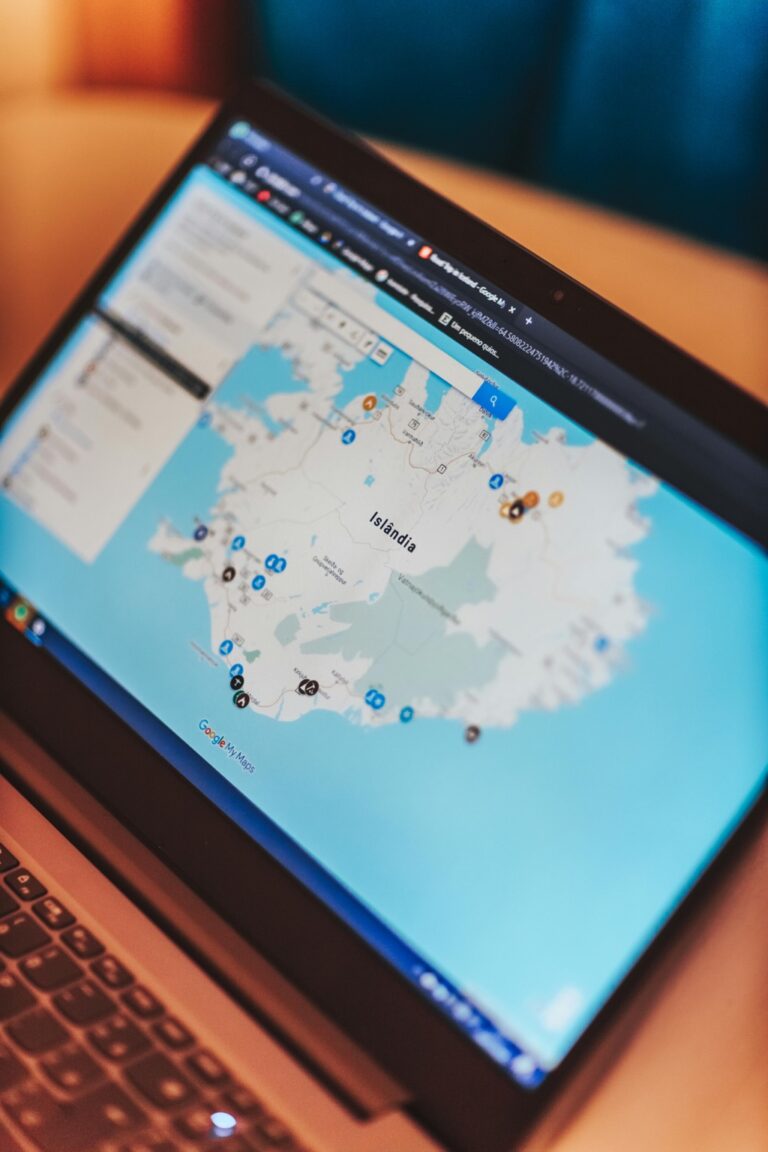
7 Best Global Mapping Licensing Strategies
Global mapping ventures face a complex web of licensing hurdles that can derail even the most ambitious projects. You’re navigating an intricate landscape where data sovereignty laws clash with commercial interests and regulatory frameworks vary dramatically across borders.
The stakes couldn’t be higher — mapping companies lose millions annually due to licensing missteps that trigger legal disputes or force costly project overhauls. Whether you’re expanding into new markets or managing existing international operations understanding these challenges becomes critical for sustainable growth and competitive advantage in today’s data-driven economy.
Disclosure: As an Amazon Associate, this site earns from qualifying purchases. Thank you!
Navigating Complex International Copyright Laws Across Multiple Jurisdictions
Copyright law variations create significant compliance obstacles when you’re licensing mapping data across international boundaries. Each jurisdiction maintains distinct legal frameworks that affect how you can use, modify, and distribute geographic information.
P.S. check out Udemy’s GIS, Mapping & Remote Sensing courses on sale here…
Understanding Varying Copyright Duration Periods
Copyright protection periods differ dramatically between countries, affecting your long-term mapping project viability. The United States protects works for the author’s life plus 70 years, while some European nations extend protection to 100 years for certain materials. Mexico maintains a life-plus-100-year standard for most works. Countries like Canada follow life-plus-50-year rules, creating complex timing considerations when you’re sourcing historical maps or satellite imagery. These duration differences mean identical mapping data might be protected in one jurisdiction but freely available in another, requiring careful analysis of each source’s copyright status across all target markets.
Dealing With Different Fair Use Provisions
Fair use allowances vary significantly between legal systems, impacting how you can incorporate copyrighted mapping elements into your projects. US fair use doctrine provides four-factor analysis including purpose, nature, amount used, and market effect. European countries operate under “fair dealing” exceptions with more restrictive categories like research, criticism, or news reporting. Some jurisdictions like Germany have specific scientific research exemptions that might cover certain mapping applications. Commonwealth countries often limit fair dealing to explicitly defined purposes. You’ll need separate legal assessments for each jurisdiction since what qualifies as acceptable use in one country may constitute infringement in another.
Managing Conflicting Intellectual Property Rights
Multiple rights holders often claim overlapping protections on the same geographic data, creating complex licensing scenarios you must navigate carefully. Satellite imagery providers, government agencies, and private mapping companies may all assert different rights to identical coverage areas. Database rights in Europe protect compilations of geographic information separately from underlying copyright, while US law focuses primarily on originality standards. Some countries recognize sui generis database rights lasting 15 years from creation, while others rely solely on traditional copyright frameworks. Indigenous communities increasingly assert cultural rights over traditional territory representations, adding another layer of complexity to your licensing matrix.
Managing Data Sovereignty Requirements and Local Compliance Standards
Data sovereignty laws require you to maintain precise control over where your mapping data resides and how it’s processed across international boundaries.
Adhering to Government Data Localization Laws
Government data localization mandates force you to store critical mapping information within specific national borders. Countries like Russia, China, and India require geographic data to remain on domestic servers with restricted cross-border transfers. You’ll face penalties ranging from $50,000 to complete market exclusion if you violate these requirements. European Union’s GDPR adds complexity by requiring data subject consent for international transfers, while Brazil’s LGPD imposes similar restrictions on personal location data processing.
Meeting National Security Clearance Protocols
National security clearance protocols demand extensive vetting before you can access sensitive geographic datasets. Military-grade mapping data requires security clearances that take 6-18 months to obtain and cost $3,000-$15,000 per employee. You’ll need separate clearances for each country’s classified geographic information, with renewal requirements every 2-5 years. Critical infrastructure mapping often requires additional background checks and facility inspections that can delay project timelines by 3-6 months.
Ensuring Compliance With Regional Privacy Regulations
Regional privacy regulations create complex compliance matrices when processing location-based personal data across jurisdictions. GDPR’s “right to be forgotten” requires you to purge individual location histories within 30 days of request, while California’s CCPA demands detailed privacy disclosures for geographic data collection. You’ll need separate privacy policies for each region, with some jurisdictions requiring explicit opt-in consent rather than opt-out mechanisms. Asian markets like Singapore and Japan impose strict data retention limits of 1-3 years for personal location information.
Overcoming Currency Fluctuations and International Payment Processing Issues
Currency volatility and payment processing complexities present significant operational challenges for your global mapping licensing operations. Exchange rate fluctuations can dramatically impact project budgets and profit margins when dealing with multi-year licensing agreements across different currencies.
Handling Multi-Currency Licensing Fee Structures
Establish fixed conversion rates at contract signing to protect against adverse currency movements during long-term mapping data agreements. You’ll need to negotiate currency hedging clauses that specify whether payments occur in local currencies or a single base currency like USD or EUR. Consider implementing tiered pricing structures that adjust licensing fees based on predetermined exchange rate thresholds. Many mapping companies use currency baskets that average rates across multiple currencies to reduce volatility impact. Document all conversion methodologies clearly in your licensing agreements to prevent disputes over payment calculations.
Managing Foreign Exchange Rate Volatility
Implement forward contracts to lock in favorable exchange rates for upcoming licensing payments, typically 3-12 months in advance. You can utilize currency options to protect against downside risk while maintaining upside potential when rates move favorably. Monitor exchange rate trends using financial platforms like Bloomberg or Reuters to time your currency conversions strategically. Establish relationships with multiple foreign exchange providers to secure competitive rates and backup payment channels. Set internal hedging policies that define acceptable exposure limits and trigger points for currency risk mitigation actions.
Navigating International Banking Restrictions
Partner with banks that specialize in cross-border transactions and understand mapping industry requirements for large data licensing payments. You’ll encounter restrictions on certain countries due to sanctions, anti-money laundering regulations, or capital control measures that limit payment processing options. Maintain relationships with regional banking partners in key markets to facilitate local currency transactions and comply with domestic banking regulations. Consider using international wire transfer services like SWIFT or specialized fintech platforms that offer better transparency and tracking capabilities. Document all payment flows meticulously to satisfy regulatory compliance requirements and expedite future transactions.
Addressing Language Barriers and Cultural Differences in Contract Negotiations
Language and cultural barriers complicate cross-border mapping licensing negotiations beyond simple translation needs. You’ll encounter fundamental differences in how business relationships form and legal concepts translate across cultures.
Translating Technical Legal Terms Accurately
Mapping-specific legal terminology doesn’t translate directly between languages, creating significant contractual risks. You must work with specialized legal translators who understand both GIS terminology and intellectual property law in each jurisdiction. Terms like “derivative works” or “geodetic accuracy” carry different legal implications across countries. Consider hiring translators certified in technical mapping documentation rather than general legal translation services. Many standard contract clauses lose their protective power when poorly translated, leaving your licensing agreements vulnerable to misinterpretation.
Understanding Cultural Business Practices
Business relationship expectations vary dramatically across cultures, affecting how you structure licensing negotiations. In many Asian markets, you’ll need to invest months building personal relationships before discussing contract terms, while Northern European partners prefer direct technical discussions. Some cultures require face-to-face meetings for major agreements, making remote negotiations ineffective. Gift-giving protocols and hierarchy acknowledgment become crucial in certain regions. You should research local business customs thoroughly and consider partnering with regional representatives who understand these cultural nuances intimately.
Adapting to Different Communication Styles
Communication preferences significantly impact negotiation success and timeline management. High-context cultures rely heavily on implied meanings and non-verbal cues, while low-context cultures expect explicit written specifications. Your negotiation approach must adapt accordingly – some partners prefer detailed technical documentation upfront, while others favor gradual revelation of requirements. Email communication styles vary from formal hierarchical structures to casual collaborative exchanges. Consider scheduling regular video calls to bridge communication gaps and confirm mutual understanding of complex licensing terms through multiple channels.
Resolving Time Zone Coordination Challenges for Real-Time Licensing Updates
Time zone coordination challenges intensify when you’re managing real-time licensing updates across multiple continents. You’ll need strategic approaches to ensure seamless communication and maintain licensing compliance across global mapping operations.
Scheduling Cross-Continental Meetings Effectively
Establishing rotating meeting schedules prevents any single region from consistently bearing inconvenient time burdens. You should implement a three-week rotation cycle where meeting times favor different geographical zones sequentially. Use scheduling tools like World Clock Pro or TimeZone iOS to identify optimal meeting windows that accommodate at least 75% of participants within reasonable working hours. Create standardized meeting templates that include multiple time zone displays and automated calendar invitations. Designate regional representatives who can attend meetings on behalf of their teams when schedules conflict. Document all decisions immediately and distribute meeting recordings to absent stakeholders within 24 hours of each session.
[lasso id=”16088″]
Managing Asynchronous Communication Workflows
Building robust asynchronous workflows ensures licensing updates continue progressing regardless of time zone constraints. You’ll need to establish clear handoff protocols between regional teams using project management platforms like Asana or Monday.com. Create standardized update templates that include licensing status, required actions, and completion deadlines. Implement 24-hour response time requirements for critical licensing issues and 48-hour windows for routine updates. Use collaborative documentation tools like Notion or Confluence to maintain real-time licensing status dashboards. Set up automated notification systems that alert relevant team members when updates require immediate attention. Establish escalation procedures for time-sensitive licensing matters that can’t wait for regular business hours.
Coordinating Multiple Regional Teams
Effective regional team coordination requires designated timezone liaisons who bridge communication gaps between continents. You should appoint team leads in each major time zone who possess both technical licensing knowledge and cultural awareness of their regions. Create overlapping shift schedules where team members in adjacent time zones maintain two-hour overlap periods for direct communication. Implement standardized reporting formats that regional teams use to update licensing progress consistently. Use collaboration tools like Slack or Microsoft Teams with dedicated channels for each licensing project. Establish clear decision-making hierarchies that prevent licensing delays when key stakeholders are unavailable. Maintain centralized licensing databases that all regional teams can access and update in real-time using version control systems.
Ensuring Quality Control Standards Across Different Regional Mapping Providers
You’ll face significant challenges maintaining consistent quality when working with multiple regional mapping providers across different licensing jurisdictions. Each provider operates under distinct quality frameworks that can create substantial discrepancies in your final mapping products.
Establishing Consistent Accuracy Benchmarks
You must define precise accuracy thresholds that all regional providers can meet regardless of their local standards. Set positional accuracy requirements in standardized units like RMSE values rather than vague descriptors. Create documented benchmark datasets for each region that providers must validate against before delivering licensed content. Establish minimum resolution requirements and specify acceptable error tolerances for different map features like roads, boundaries, and elevation data to ensure uniformity across your global mapping project.
Implementing Unified Data Verification Processes
You need standardized verification workflows that work across all regional licensing agreements. Develop automated quality assurance scripts that can process mapping data from different providers using identical validation criteria. Create mandatory checkpoint reviews where regional data undergoes the same geometric and attribute accuracy tests. Establish cross-reference protocols that compare overlapping border regions between different providers to identify inconsistencies. Implement version control systems that track quality metrics from each regional source throughout your licensing workflow.
Maintaining Standardized Mapping Formats
You must enforce consistent data formats across all regional licensing partnerships to streamline integration processes. Specify standard coordinate reference systems and projection parameters that all providers must use for data delivery. Define uniform attribute schemas and field naming conventions that work regardless of local mapping traditions. Create conversion guidelines for providers who work in different native formats to ensure seamless data integration. Establish file naming protocols and metadata requirements that maintain consistency across your entire licensed mapping dataset from multiple regional sources.
Adapting to Rapidly Changing International Trade Regulations and Sanctions
Trade regulations and sanctions affecting mapping data change frequently, creating ongoing compliance challenges for global licensing operations. You’ll need robust monitoring systems to track these shifts and adapt your licensing strategies accordingly.
Monitoring Export Control Restrictions
Export control restrictions directly impact your ability to license mapping technologies and datasets across international borders. You must regularly review the U.S. Export Administration Regulations (EAR) and International Traffic in Arms Regulations (ITAR) classifications for your mapping software and data products. Many GIS applications and high-resolution satellite imagery fall under dual-use technology restrictions, requiring specific licenses for distribution to certain countries. You should establish monthly compliance reviews and maintain detailed documentation of all export classification determinations to avoid costly violations.
Staying Updated on Trade Embargo Changes
Trade embargo modifications can instantly affect your existing licensing agreements and future mapping project opportunities. You need to monitor the Office of Foreign Assets Control (OFAC) sanctions updates and European Union restrictive measures announcements at least weekly. Recent geopolitical events have resulted in rapid embargo implementations that blocked mapping data transfers within 24-48 hours. You should implement automated alert systems for embargo announcements and maintain contingency plans for suspending data transfers to affected regions immediately upon notification.
Ensuring Compliance With International Sanctions Lists
International sanctions lists require continuous verification of your licensing partners and end-users against multiple restricted party databases. You must screen all potential licensees against the OFAC Specially Designated Nationals list, EU Consolidated List, and UN Security Council sanctions lists before finalizing any mapping agreements. These lists update frequently with new additions and modifications that could affect existing partnerships. You should implement automated screening tools that check partner credentials against current sanctions databases and establish quarterly comprehensive reviews of all active licensing relationships.
Conclusion
Navigating cross-border licensing in global mapping requires more than just understanding local laws—it demands a comprehensive strategy that addresses financial currency risks technical quality standards and evolving regulatory landscapes. You’ll need to build robust monitoring systems and establish strong partnerships with specialized legal and technical experts who understand the nuances of international mapping operations.
Success depends on your ability to adapt quickly to changing regulations while maintaining consistent data quality across multiple jurisdictions. By implementing automated compliance tools investing in cultural competency training and developing flexible communication workflows you’ll position your organization to thrive in this complex but rewarding global marketplace.
The future of mapping lies in seamless cross-border collaboration and your proactive approach to these challenges will determine whether you lead the industry or struggle to keep pace with more prepared competitors.
Frequently Asked Questions
What are the main challenges in global mapping ventures?
Global mapping ventures face significant challenges including complex licensing issues, data sovereignty requirements, varying regulatory frameworks across countries, currency fluctuations, language barriers, and time zone coordination difficulties. These obstacles can derail ambitious projects and result in million-dollar losses if not properly managed through strategic planning and legal compliance.
How do data sovereignty laws affect mapping projects?
Data sovereignty laws mandate that critical mapping information must be stored within specific national borders, with severe penalties for violations. These regulations, including GDPR and Brazil’s LGPD, require precise control over where data resides and how it’s processed across international boundaries, often delaying project timelines significantly.
Why do international copyright laws complicate mapping data licensing?
International copyright laws vary significantly across jurisdictions, creating compliance obstacles when licensing mapping data. Copyright duration periods differ between countries (some offering up to 100 years protection), fair use provisions vary, and conflicting intellectual property rights can result in multiple rights holders claiming overlapping protections on the same geographic data.
How can companies manage currency fluctuations in licensing agreements?
Companies can manage currency volatility through several strategies: establishing fixed conversion rates, negotiating currency hedging clauses, implementing tiered pricing structures, using forward contracts, and partnering with banks specializing in cross-border transactions. These approaches help stabilize project budgets and protect profit margins in multi-year agreements.
What role do language barriers play in mapping licensing negotiations?
Language barriers extend beyond translation needs, involving accurate interpretation of technical legal terms and GIS terminology that may lack direct equivalents in other languages. Cultural business practices also influence negotiation strategies, requiring specialized legal translators familiar with intellectual property law and cultural awareness for successful cross-border agreements.
How do time zone differences impact global mapping operations?
Time zone coordination challenges affect real-time licensing updates across continents. Effective solutions include implementing rotating meeting schedules, using collaborative project management platforms, establishing designated timezone liaisons, and creating overlapping shift schedules to ensure continuous communication and project progress regardless of geographical constraints.
What quality control measures are needed for multiple regional providers?
Maintaining consistent quality across regional mapping providers requires establishing precise accuracy benchmarks, implementing unified data verification processes, and maintaining standardized mapping formats. Companies should define accuracy thresholds, create documented benchmark datasets, and enforce consistent data formats to streamline integration and enhance mapping product quality.
How do trade regulations and sanctions affect mapping licensing?
Rapidly changing international trade regulations and sanctions create ongoing compliance challenges requiring robust monitoring systems. Companies must regularly review export control restrictions (EAR and ITAR classifications), stay updated on trade embargo changes through automated alert systems, and ensure compliance with international sanctions lists using automated screening tools.