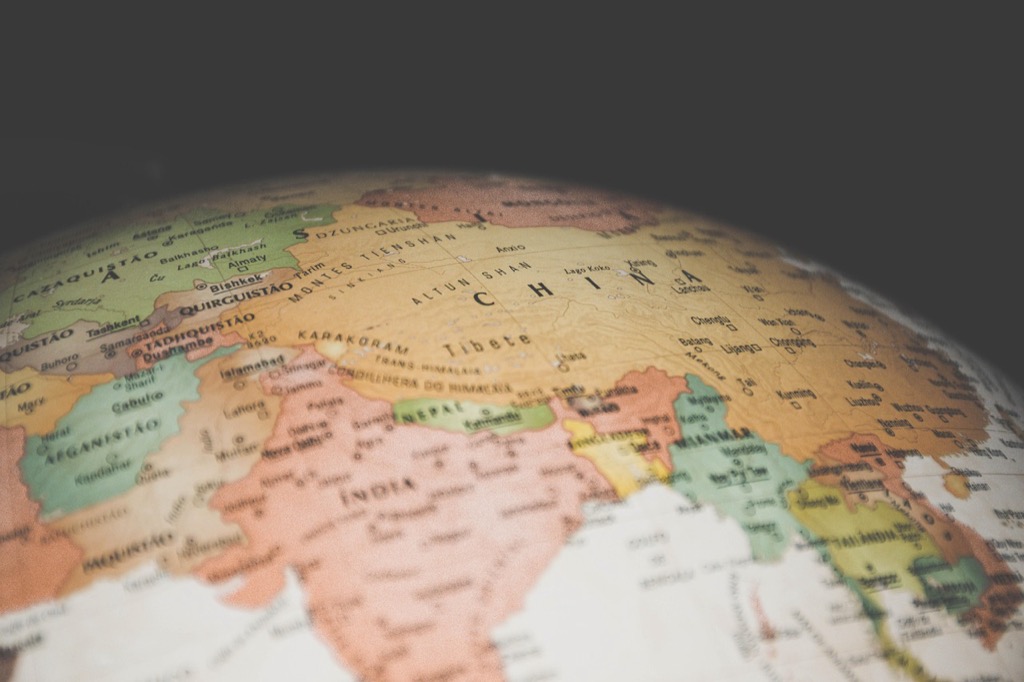
7 Best Digital Map Storytelling Ideas
Why it matters: Maps aren’t just navigational tools—they’re powerful storytelling devices that can transform how you present complex narratives and data-driven stories.
The big picture: Traditional storytelling methods often fall short when you’re dealing with location-based content or need to show relationships between geographical elements and human experiences.
What’s next: These seven innovative cartographic approaches will help you create compelling visual narratives that engage readers while making complex spatial information accessible and memorable.
Disclosure: As an Amazon Associate, this site earns from qualifying purchases. Thank you!
P.S. check out Udemy’s GIS, Mapping & Remote Sensing courses on sale here…
Using Historical Maps to Chronicle Family Genealogies and Migration Patterns
[lasso id=”16952″]
Historical maps transform genealogical research into compelling visual narratives that reveal your family’s journey through time and space. You’ll discover migration patterns, settlement choices, and geographic influences that shaped your ancestors’ lives.
Tracing Ancestral Journeys Through Vintage Cartography
You can overlay family migration data onto period-appropriate maps from the Library of Congress or David Rumsey Map Collection. Start with immigration records, census data, and ship manifests to plot departure points and arrival destinations. Layer this information onto historical maps from relevant time periods to show authentic geographic conditions your ancestors encountered. Use different colored paths for each family line and include timeline markers showing dates of major moves. This approach reveals why families chose specific routes and settlement areas based on available transportation networks, established communities, and economic opportunities during their era.
Layering Personal Stories Over Geographic Timelines
You’ll create deeper connections by combining family photographs, letters, and documents with geographic progression maps. Plot major life events like births, marriages, and deaths onto maps showing county boundaries and town locations from specific decades. Add text boxes containing excerpts from family letters or diary entries that reference places and travel experiences. Include small thumbnail images of relevant documents or photos positioned near their geographic locations. This technique transforms dry genealogical data into rich storytelling that shows how geographic factors influenced family decisions, cultural adaptations, and generational changes across different regions and time periods.
Creating Interactive Digital Maps That Reveal Character Development
Interactive digital mapping platforms transform character arcs into spatial journeys that readers can explore at their own pace. You’ll create dynamic storytelling experiences by linking character growth to geographic movement and environmental changes.
Building Clickable Story Elements Within Geographic Interfaces
Design clickable hotspots that trigger character revelations when users interact with specific locations on your map. Position these interactive elements at pivotal geographic moments where your characters experience significant growth or change. Tools like Mapbox GL JS and Leaflet allow you to embed pop-up windows containing character monologues, flashbacks, or critical decisions tied to each location. Layer multiple story threads by creating different clickable paths that reveal various character perspectives from the same geographic area, letting readers choose which narrative threads to follow first.
Integrating Multimedia Content to Enhance Narrative Depth
Embed audio recordings directly into map locations using platforms like StoryMapJS or ArcGIS StoryMaps to let characters narrate their own experiences at specific coordinates. Record voice actors reading character diary entries, internal thoughts, or conversations that occurred at each mapped location. Incorporate historical photographs and documents that characters would have encountered, creating authentic connections between your fictional narrative and real geographic contexts. Add video clips showing environmental changes over time to demonstrate how shifting landscapes influence character development and decision-making throughout their journey.
Designing Fantasy World Maps That Drive Plot Progression
[lasso id=”6005″]
Fantasy cartography transforms static world-building into dynamic narrative engines. Strategic geographic design creates natural story pathways that guide character movement and conflict development.
Establishing Fictional Geographies as Storytelling Foundations
[lasso id=”16024″]
Create mountain ranges that isolate civilizations and generate cultural conflicts through geographic separation. Position rivers as natural highways connecting trade routes while establishing economic dependencies between regions. Design coastlines with strategic harbors that control maritime access and create political tensions. Place resource deposits like mines or magical forests in contested territories to fuel territorial disputes. Your geographic boundaries should dictate where characters can travel and why they’d choose specific routes over others.
Using Cartographic Details to Foreshadow Story Events
Embed prophetic symbols within mountain formations that hint at future character revelations or plot twists. Draw river confluences that mirror character meeting points or alliance formations throughout your narrative arc. Position ancient ruins near climactic battle locations to suggest historical patterns repeating themselves. Include seasonal migration paths for creatures that align with story timing and character encounters. Your map annotations should contain subtle visual cues that attentive readers will recognize as the plot unfolds.
Mapping Emotional Landscapes Through Abstract Geographic Representations
You can transform intangible psychological experiences into compelling visual narratives by reimagining traditional cartographic elements as emotional territories. This approach creates powerful storytelling connections between inner human experiences and geographic representation.
Translating Psychological States Into Visual Terrain
You transform depression into lowland valleys with muted contour lines, while anxiety becomes jagged mountain peaks with sharp elevation changes. Map joy as rolling hills with gentle gradients, and represent anger through volcanic terrain with steep escarpments and harsh topographic features.
Create elevation profiles that mirror emotional intensity levels throughout your narrative arc. Use bathymetric symbols to show emotional depth, placing character revelations at the deepest points of your psychological terrain. Layer relief shading to emphasize emotional transitions, darkening areas where characters experience internal conflict.
Color-Coding Emotional Territories for Narrative Impact
You establish emotional geography through strategic color palette choices that guide readers through psychological landscapes. Assign warm reds and oranges to passion-driven story moments, while cool blues and purples represent introspective or melancholic character states.
Use color saturation to indicate emotional intensity levels across your narrative map. Bright, saturated hues mark climactic emotional peaks, while desaturated tones represent periods of emotional numbness or uncertainty. Create color gradients that show emotional transitions between story beats, blending colors at territorial boundaries where characters experience conflicting feelings or psychological shifts.
Documenting Social Issues Through Community-Based Mapping Projects
Community-based mapping transforms residents into cartographers who document their lived experiences. You’ll discover how participatory approaches reveal social patterns that traditional data collection methods often miss.
Empowering Local Voices Through Participatory Cartography
Participatory cartography puts mapping tools directly into community members’ hands to document their experiences and challenges. You can facilitate workshops where residents identify critical infrastructure gaps like missing streetlights or inadequate public transportation routes. Digital platforms such as Ushahidi and OpenStreetMap enable participants to create collaborative maps highlighting housing discrimination patterns or environmental hazards affecting their neighborhoods. Community members contribute photos documenting deteriorating sidewalks or unsafe intersections while adding location-specific narratives about how these conditions impact daily life. This grassroots approach ensures marginalized voices shape the geographic narrative rather than external researchers imposing predetermined categories.
Visualizing Inequality and Change Through Geographic Data
Geographic data visualization exposes stark inequalities across neighborhoods through strategic color-coding and demographic overlays. You can map income disparities using census tract boundaries while layering health outcome statistics to reveal environmental justice patterns. Heat mapping techniques highlight concentrations of evictions or utility shutoffs that correlate with gentrification pressures. Time-series mapping demonstrates how neighborhood resources like grocery stores or medical facilities disappear over decades. Population density visualizations combined with school funding data expose educational inequities that perpetuate social stratification. These geographic representations transform abstract statistics into compelling visual evidence that advocates can present to policymakers demanding systemic changes.
Constructing Time-Lapse Map Sequences to Show Environmental Stories
Time-lapse cartography transforms environmental data into compelling visual narratives that reveal changes invisible to static mapping approaches. You’ll create sequential map frames that document environmental transformations across temporal scales.
Capturing Climate Change Through Temporal Cartographic Series
Temperature anomaly mapping requires consistent baseline periods and standardized color schemes across your time series. You’ll download NOAA Climate Data Online temperature datasets spanning 30-year periods to establish meaningful comparisons. Tools like ArcGIS Pro’s temporal visualization features let you animate temperature changes using graduated color symbology.
Precipitation pattern analysis benefits from monthly interval mapping to capture seasonal variations. Use standardized precipitation index (SPI) calculations to normalize rainfall data across different climate zones, ensuring your color classifications remain consistent throughout your animation sequence.
Revealing Urban Development Patterns Over Decades
Satellite imagery analysis through Landsat archives provides consistent 30-meter resolution data dating back to 1972. You’ll process multispectral bands using NDVI calculations to distinguish urban areas from vegetation, creating clear development boundaries for your temporal sequence.
Land use classification requires consistent categorization schemes across all time periods in your series. Apply supervised classification algorithms in ERDAS Imagine or ENVI to maintain accuracy, then export classified rasters to create smooth transitions showing sprawl patterns and infrastructure expansion over your selected timeframe.
Blending Traditional Cartography With Modern Augmented Reality Experiences
You can transform static maps into dynamic storytelling platforms by integrating augmented reality technologies with traditional cartographic foundations. This fusion creates immersive narratives that respond to physical geography while maintaining cartographic accuracy.
Overlaying Digital Narratives on Physical Map Surfaces
Augmented reality apps like ARCore and ARKit enable you to project digital story elements directly onto printed maps and physical surfaces. You’ll position 3D character models, animated timeline markers, and interactive hotspots that activate when viewers point their devices at specific map coordinates. Tools such as Vuforia and 8th Wall recognize map features as tracking targets, triggering narrative content tied to geographic locations. This approach preserves traditional map aesthetics while adding contemporary digital layers that reveal hidden stories embedded within familiar cartographic representations.
Creating Immersive Storytelling Through Location-Based Technology
GPS-triggered storytelling activates narrative content when users reach specific geographic coordinates, creating location-aware experiences that blend physical exploration with digital narratives. You’ll implement geofencing technology through platforms like Unity and Unreal Engine to deliver contextual story elements based on precise positioning data. Applications such as Echoes and Storyplaces demonstrate how location-based triggers can reveal historical events, character dialogues, and plot developments tied to real-world coordinates. This technology transforms entire landscapes into interactive story maps where physical movement drives narrative progression.
[lasso id=”16029″]
Conclusion
These seven cartographic storytelling approaches offer you powerful tools to transform traditional narratives into compelling visual experiences. You’ll discover that maps aren’t just reference materials—they’re dynamic storytelling platforms that can reveal hidden connections between geography and human experience.
Whether you’re documenting family histories through genealogical mapping or creating immersive AR experiences your readers will engage with these spatial narratives on deeper levels. The combination of emotional landscapes community mapping and time-lapse visualization gives you versatile methods to address complex topics that traditional storytelling might struggle to convey.
Your storytelling potential expands significantly when you embrace these cartographic techniques. Start experimenting with one approach that resonates with your current project and watch how geographic context enriches your narrative impact.
Frequently Asked Questions
What makes maps effective storytelling tools?
Maps transform complex narratives and spatial data into accessible visual stories. They reveal relationships between geography and human experiences that traditional storytelling methods often struggle to convey. By presenting location-based content visually, maps make complex spatial information more memorable and engaging for readers, helping them understand how geographic factors influence events and decisions.
How can historical maps enhance genealogical research?
Historical maps transform genealogical research into compelling visual narratives by overlaying family migration data onto period-appropriate maps. This approach allows readers to visualize ancestral journeys, understand settlement choices influenced by geographic conditions, and create deeper connections by layering personal stories, photographs, and letters over geographic timelines.
What are interactive digital mapping platforms for storytelling?
Interactive digital mapping platforms transform character development into spatial journeys using tools like Mapbox GL JS and Leaflet. These platforms create clickable story elements where users can interact with specific locations to trigger character revelations, pop-up windows with insights, and multimedia content like audio recordings and historical photographs for enhanced narrative depth.
How does fantasy cartography drive plot progression?
Fantasy cartography uses strategic placement of geographic features like mountain ranges and rivers to create natural story pathways. Maps can foreshadow events through prophetic symbols and visual cues, establish fictional geographies as storytelling foundations, and dictate character choices by creating geographic constraints that enhance the overall narrative experience.
What is emotional landscape mapping?
Emotional landscape mapping transforms psychological experiences into visual terrain representations. Depression might be depicted as lowland valleys, anxiety as jagged mountain peaks. This technique uses elevation profiles to mirror emotional intensity, color-coding to establish emotional geography, and strategic color palettes to guide readers through psychological landscapes.
How do community-based mapping projects work?
Community-based mapping projects empower residents to document lived experiences through participatory cartography. Using digital platforms like Ushahidi and OpenStreetMap, community members identify infrastructure gaps, document housing discrimination, and highlight environmental hazards. These collaborative efforts ensure marginalized voices shape geographic narratives and reveal overlooked social patterns.
What is time-lapse cartography?
Time-lapse cartography creates sequential map frames documenting environmental transformations over time. It uses satellite imagery analysis through Landsat archives, temperature anomaly mapping, and precipitation pattern analysis to reveal changes invisible to static maps. This technique transforms environmental data into compelling visual narratives showing urban development and land use changes.
How does augmented reality enhance map storytelling?
Augmented reality transforms static maps into dynamic storytelling platforms using apps like ARCore and ARKit. AR overlays digital narratives onto physical maps, projects 3D character models, creates interactive hotspots, and uses GPS-based technology to activate narrative content based on location, merging physical exploration with immersive digital storytelling experiences.