5 Experimental Map-Making Workshop Ideas That Transform Learning
You’re tired of the same old geography lessons and traditional map exercises. Breaking away from conventional cartography opens doors to creative learning experiences that engage students in ways standard atlases never could.
These experimental workshop ideas transform map-making from a mundane classroom activity into an interactive exploration of space, community, and personal perspective. You’ll discover methods that blend art, technology, and storytelling to create memorable educational moments that stick with learners long after the session ends.
Disclosure: As an Amazon Associate, this site earns from qualifying purchases. Thank you!
Create Interactive Digital Maps Using Augmented Reality Technology
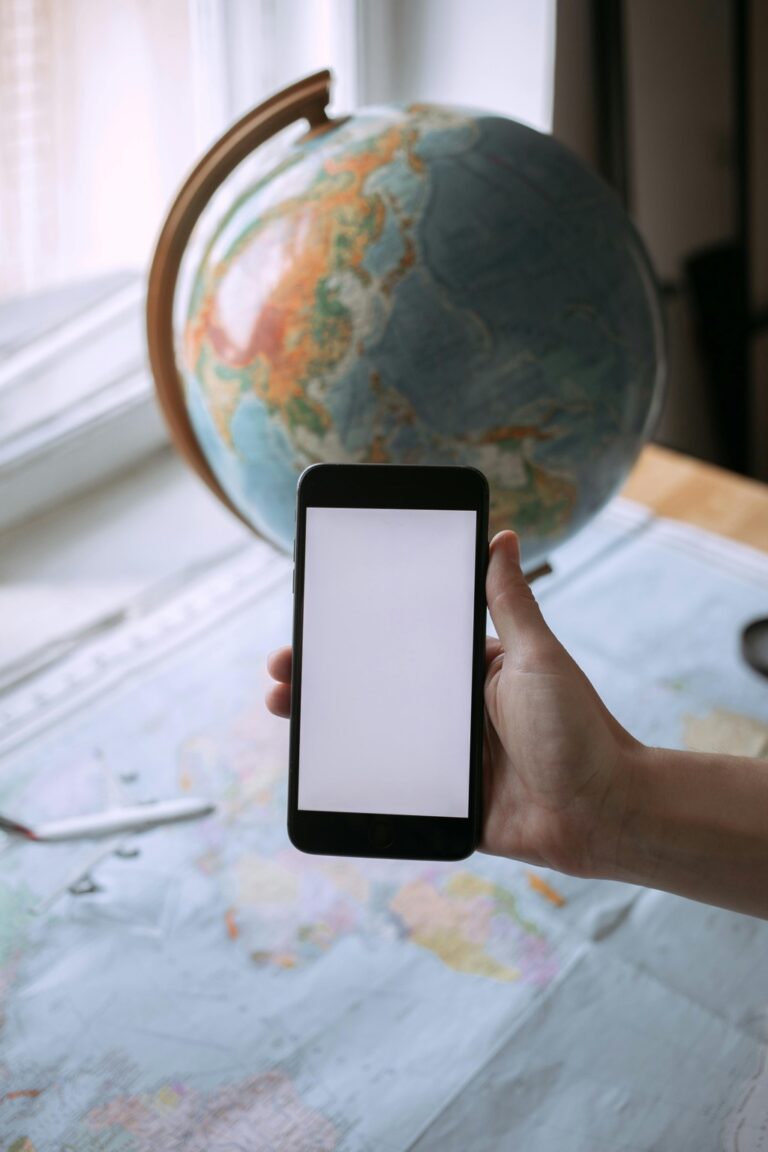
AR mapping transforms static geographic data into immersive experiences where users interact with digital information overlaid on real-world locations. This technology bridges the gap between traditional cartography and modern spatial storytelling.
P.S. check out Udemy’s GIS, Mapping & Remote Sensing courses on sale here…
Setting Up AR Mapping Software and Tools
Configure your AR development environment using platforms like Unity 3D with ARCore (Android) or ARKit (iOS) for mobile applications. Download specialized mapping software such as ArcGIS Runtime SDK or Mapbox AR SDK to handle geographic data integration. Install location tracking libraries and ensure your device supports GPS accuracy within 3-5 meters for optimal positioning. Test camera permissions and spatial tracking capabilities before importing your base map layers and geographic datasets.
Designing Location-Based Interactive Elements
Anchor digital content to specific coordinates using GPS positioning and visual markers for consistent placement accuracy. Create interactive hotspots containing multimedia elements like 3D models, historical photos, or audio narratives that trigger when users approach designated locations. Design user interface elements with readable fonts and high contrast colors that remain visible in various lighting conditions. Incorporate gesture controls for rotating, scaling, and selecting map features while maintaining intuitive navigation patterns.
[lasso id=”17000″]
Testing and Refining Your AR Map Experience
Conduct field testing across different devices and environmental conditions to identify tracking inconsistencies and user interface problems. Evaluate battery consumption during extended AR sessions and optimize rendering performance to maintain 30+ frames per second. Gather user feedback on interaction clarity and content accessibility, particularly for users with different technical skill levels. Refine GPS accuracy thresholds and implement fallback positioning methods for areas with poor satellite coverage or indoor environments.
Design Emotional Geography Maps That Capture Personal Experiences
Moving beyond traditional cartographic boundaries, emotional geography maps transform personal experiences into visual narratives that reveal the psychological dimensions of place and memory.
Mapping Memory Landscapes and Significant Places
Chart emotional territories by plotting locations based on personal significance rather than geographic accuracy. You’ll create maps where childhood homes appear larger than they actually were, reflecting their emotional weight in your memory. Use varying symbol sizes to represent the intensity of memories—enlarge places of first love, shrink locations of loss. Include temporal layers showing how the same location holds different emotional meanings across your life stages. This technique captures the subjective geography of human experience, where distance becomes measured in feelings rather than miles.
Using Color Psychology in Emotional Cartography
Apply color theory strategically to convey emotional landscapes through your personal maps. You’ll use warm colors like oranges and yellows for locations of joy, comfort, and positive memories, while cooler blues and purples represent contemplative or melancholic spaces. Implement gradient color schemes to show emotional transitions between places—perhaps shifting from red anger zones to green peaceful areas. Consider cultural color associations when designing for diverse audiences, as red might signify luck in some cultures while representing danger in others. Transparency levels can indicate memory clarity, with vivid colors for sharp recollections and faded hues for distant memories.
Incorporating Storytelling Elements into Personal Maps
Embed narrative components directly into your emotional geography through interactive storytelling features. You’ll add clickable hotspots that reveal personal anecdotes, audio recordings of memories, or photographs linked to specific locations. Create pathways that trace life journeys, connecting significant places with illustrated timelines or written reflections. Include marginal annotations using traditional cartographic techniques like compass roses reimagined as emotional indicators or legends that decode personal symbols. Layer multiple story formats—combine hand-drawn illustrations with digital text boxes, creating maps that function as both navigation tools and autobiographical documents.
Build Collaborative Community Maps Through Crowdsourced Data Collection
Transform your neighborhood into a living laboratory by harnessing collective knowledge through structured data collection workshops. You’ll create maps that capture community insights while building technical skills across diverse participant groups.
Organizing Community Mapping Sessions and Workshops
Structure sessions around specific data collection goals like documenting local businesses, identifying accessibility barriers, or mapping cultural landmarks. Use standardized data collection forms and GPS-enabled devices to ensure consistent quality across all participants.
[lasso id=”16335″]
Deploy field teams of 3-4 people with designated roles: data recorder, GPS operator, photographer, and community liaison. Provide training on coordinate systems, attribute standards, and quality control procedures before teams venture into the field for maximum data accuracy.
Utilizing Digital Platforms for Collaborative Map Building
Leverage OpenStreetMap’s collaborative editing environment where multiple users contribute simultaneously through JOSM or iD editors. Set up dedicated project hashtags and validation protocols to maintain data integrity while encouraging broad participation from community members.
Implement cloud-based GIS platforms like ArcGIS Online or QGIS Cloud that support real-time collaboration and version control. Configure shared workspaces with role-based permissions, allowing experienced cartographers to review submissions while maintaining open access for community contributors.
Integrating Local Knowledge and Historical Perspectives
Combine contemporary GPS data with historical archives by overlaying old maps, aerial photographs, and oral histories onto modern base layers. Interview longtime residents to capture place names, former land uses, and cultural significance that official records often miss.
Establish community advisory panels comprising local historians, indigenous knowledge holders, and neighborhood elders who can validate spatial data against lived experience. Their insights transform technical datasets into culturally rich mapping resources that reflect authentic community narratives.
Construct Sensory Maps Using Touch, Sound, and Smell Elements
Sensory mapping extends beyond visual representation to create immersive geographic experiences that engage multiple senses simultaneously. This approach transforms traditional cartography into a comprehensive spatial understanding tool.
Creating Tactile Map Surfaces with Various Materials
Build tactile maps using textured materials that correspond to different geographic features. Apply sandpaper for desert regions, corrugated cardboard for mountain ranges, and smooth plastic for water bodies. Incorporate raised elements like foam padding for elevation changes and velcro strips for interactive boundaries. Use contrasting textures to distinguish between urban and rural areas – rough burlap for farmland and smooth metal for city centers. This material-based approach creates memorable spatial relationships through fingertip exploration.
[lasso id=”6067″]
Incorporating Audio Elements and Soundscapes
Embed audio components using small Bluetooth speakers or smartphone QR codes that trigger location-specific sounds. Position forest sounds near green spaces, traffic noise in urban areas, and ocean waves along coastlines. Create layered soundscapes that change based on map scale – bird songs for neighborhood level and industrial sounds for city-wide views. Use directional audio cues to guide navigation between map sections. Digital tools like Soundscape Generator or field recordings enhance the auditory mapping experience.
[lasso id=”7255″]
Adding Scent Markers for Multi-Sensory Navigation
Deploy scent markers through small containers or scented materials strategically placed across map surfaces. Use pine scents for forested areas, sea salt for coastal regions, and coffee aromas for commercial districts. Create scent trails that connect related geographic features – floral scents linking parks and gardens. Employ essential oil diffusers with timer controls for temporary scent activation during workshop sessions. Consider participant allergies by using mild, natural scents and providing scent-free map alternatives.
[lasso id=”15998″]
Develop Speculative Future Maps for Urban Planning Scenarios
You’ll transform your mapping workshops into powerful urban planning laboratories by creating speculative future maps that explore potential development pathways. These forward-thinking cartographic exercises help participants visualize multiple urban scenarios while developing critical thinking skills about spatial decision-making.
Researching Current Urban Development Trends
Gather comprehensive urban development data from municipal planning departments, census bureaus, and real estate analytics platforms like CoStar or REIS. Research current zoning patterns, population growth trajectories, and infrastructure projects using GIS datasets from local government portals. Document emerging development patterns including mixed-use corridors, transit-oriented developments, and urban densification zones. Create baseline maps that capture existing land use classifications, transportation networks, and demographic distributions. Compile this foundational research into accessible digital formats that workshop participants can reference when designing their speculative scenarios.
[lasso id=”16024″]
Creating Alternative Timeline Mapping Exercises
Design branching timeline exercises where participants map three distinct urban futures: conservative growth, accelerated development, and sustainable transformation scenarios. Structure each timeline around key decision points like major infrastructure investments, zoning policy changes, or climate adaptation measures. Provide participants with scenario cards containing specific variables such as population increases, economic shifts, or technological innovations. Guide them through temporal mapping exercises that show how different policy decisions create cascading spatial effects over 10, 25, and 50-year periods. Use color-coded timeline layers to distinguish between probable, possible, and preferable urban futures.
Visualizing Climate Change Impact on Geographic Spaces
Integrate climate projection datasets from NOAA and IPCC reports to create realistic environmental impact scenarios for your speculative maps. Map sea-level rise projections, flood zone expansions, and extreme weather vulnerability using elevation models and hydrological data. Visualize urban heat island effects, changing precipitation patterns, and ecosystem shifts through graduated color schemes and temporal overlays. Incorporate climate adaptation strategies like green infrastructure corridors, flood barriers, and resilient building codes into your future scenarios. Use comparative mapping techniques that show before-and-after geographic conditions, helping participants understand how climate variables reshape urban development possibilities.
Conclusion
These experimental map-making workshops transform geography education from passive learning into dynamic exploration. You’ll discover that combining technology with creative expression opens new pathways for understanding spatial relationships and community connections.
Each approach offers unique benefits for different learning styles and objectives. Whether you’re incorporating AR technology for digital natives or developing sensory maps for tactile learners you’re creating memorable experiences that extend far beyond traditional classroom boundaries.
The key lies in selecting workshop formats that align with your educational goals and available resources. Start with one experimental approach and gradually expand your toolkit as you gain confidence and observe student engagement levels increase.
Frequently Asked Questions
What are innovative geography lessons beyond traditional map exercises?
Innovative geography lessons combine art, technology, and storytelling to create interactive learning experiences. These approaches include augmented reality mapping, emotional geography maps, collaborative community mapping, sensory mapping, and speculative future mapping. They transform static geographic data into immersive experiences that engage students through creative exploration of space, community, and personal perspectives.
How does augmented reality (AR) technology enhance geography education?
AR technology overlays digital information onto real-world locations, creating interactive experiences where users can explore geographic data in immersive ways. Using platforms like Unity 3D, ArcGIS Runtime SDK, or Mapbox AR SDK, educators can transform traditional maps into dynamic learning tools that require accurate GPS positioning and user-friendly interface design.
What are emotional geography maps and how do they work?
Emotional geography maps transform personal experiences into visual narratives that reveal psychological dimensions of places and memories. They plot locations based on personal significance, use varying symbol sizes to represent memory intensity, and incorporate temporal layers to show how emotional meanings evolve over time, blending traditional cartography with autobiographical storytelling.
How can communities participate in collaborative mapping projects?
Communities can participate through crowdsourced data collection workshops that transform neighborhoods into living laboratories. Using platforms like OpenStreetMap and cloud-based GIS tools, participants work in structured field teams with designated roles to capture community insights, integrate local knowledge with historical perspectives, and create culturally rich mapping resources.
What is sensory mapping and how does it enhance geographic understanding?
Sensory mapping extends beyond visual representation by engaging multiple senses to create immersive geographic experiences. It incorporates tactile map surfaces using various materials, audio elements and soundscapes, and scent markers for multi-sensory navigation. This approach fosters deeper spatial understanding and creates more memorable interactions with geography.
How can speculative future maps be used in urban planning education?
Speculative future maps help participants visualize multiple urban development scenarios while developing critical thinking skills about spatial decision-making. By researching current trends, gathering municipal planning data, and creating alternative timeline exercises, students explore different urban futures based on key variables and climate change impacts on geographic spaces.