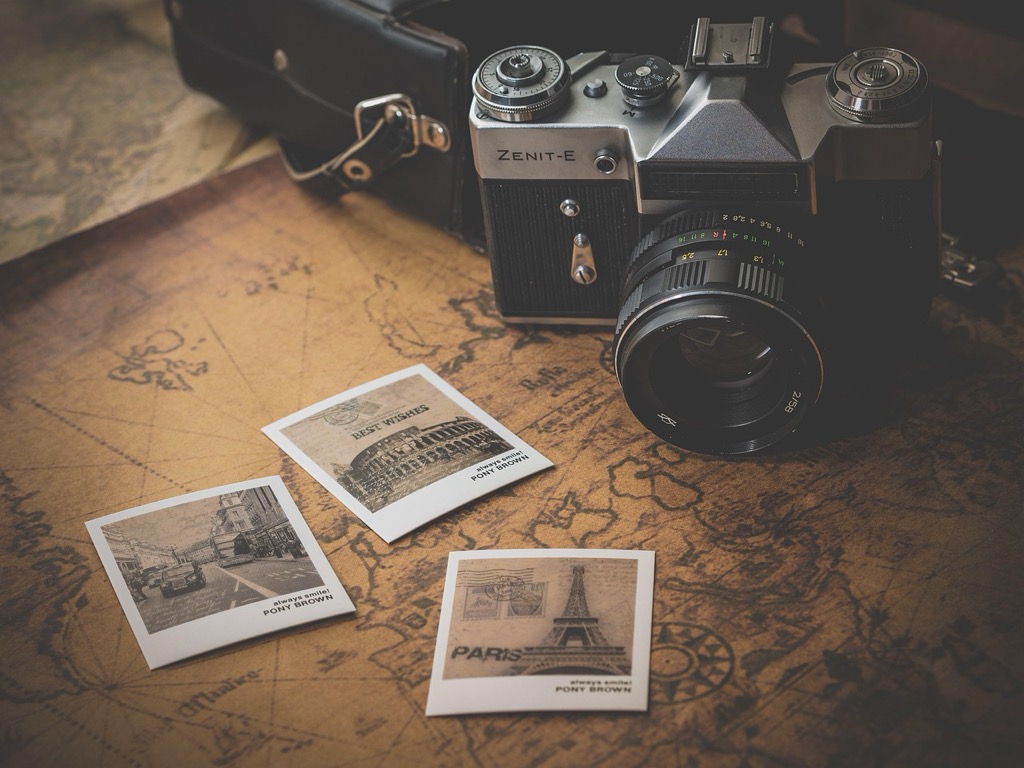
7 Ideas for Combining Photos with Traditional Maps That Create Visual Impact
You’re sitting on a goldmine of memories tucked away in photo albums and phone galleries, but they’re missing something crucial: context. Traditional maps offer the perfect solution to transform your scattered snapshots into meaningful visual stories that capture not just what happened, but exactly where it happened.
This creative fusion of photography and cartography has exploded in popularity as people seek more personalized ways to document their adventures and preserve family histories. Whether you’re planning a unique gift, creating wall art, or simply wanting to add geographic depth to your photo collection, combining images with traditional maps opens up endless possibilities for storytelling.
The beauty lies in the versatility – from vintage road trip documentation to modern travel journals, these hybrid creations serve as both functional keepsakes and stunning conversation pieces.
Disclosure: As an Amazon Associate, this site earns from qualifying purchases. Thank you!
P.S. check out Udemy’s GIS, Mapping & Remote Sensing courses on sale here…
Create Photo Map Collages Using Geographic Locations
Photo map collages transform your travel memories into compelling visual narratives by strategically placing images alongside their corresponding geographic regions. This technique creates immersive displays that tell location-based stories.
Choose Photos That Match Specific Map Regions
Select photographs that clearly represent distinct geographic areas on your base map. Pick high-resolution images showing recognizable landmarks, unique architectural features, or characteristic landscapes from each region you’ve visited. Ensure your photos capture the essence of specific locations rather than generic scenes. Consider choosing one standout image per map region to avoid overcrowding. Quality matters more than quantity when creating focused geographic narratives. Match photo orientation to available space around corresponding map areas for optimal visual balance.
Arrange Images Around Corresponding Map Areas
Position photographs adjacent to their exact geographic locations using connecting lines or arrows for clarity. Place larger images near prominent map features while using smaller photos for secondary locations. Create visual flow by arranging photos in a clockwise or counterclockwise pattern around the map’s perimeter. Leave adequate white space between images to prevent visual clutter. Consider using photo frames or borders that echo the map’s cartographic style. Align image edges with map grid lines or coordinate systems for professional presentation.
Use Consistent Color Schemes for Cohesive Design
Apply matching color palettes across both map elements and photograph treatments to unify your collage design. Choose colors that complement your map’s existing cartographic scheme while enhancing photo visibility. Consider sepia tones for vintage maps or vibrant colors for contemporary designs. Use consistent border colors, background hues, and text treatments throughout the entire composition. Adjust photo saturation levels to match your chosen color story. Maintain visual harmony by limiting your palette to three to four complementary colors maximum.
Design Travel Memory Shadow Boxes With Map Backgrounds
[lasso id=”7271″]
Shadow boxes offer a three-dimensional canvas for displaying travel memories with cartographic context. You’ll create depth and visual interest by layering maps behind your photos and memorabilia.
Layer Maps as Base Elements in Deep Frames
Mount vintage or contemporary maps as your foundation layer using acid-free backing materials to prevent deterioration. Choose maps that correspond to your travel destinations and ensure they’re large enough to fill the entire shadow box background. Secure the maps with archival mounting corners rather than adhesive to maintain their integrity. Position the maps so key geographic features align with where you’ll place your photos and memorabilia.
[lasso id=”16024″]
Position Photos Over Relevant Geographic Areas
Align your travel photographs directly over the corresponding locations on the base map using small mounting brackets or clear acrylic standoffs. This creates visual connections between your memories and their geographic context. Use different heights for photos to add dimensional variety while maintaining clear sight lines to the map below. Group related photos from the same trip or region to create cohesive visual clusters.
Add Travel Memorabilia for Enhanced Storytelling
Incorporate ticket stubs, postcards, and small souvenirs at strategic points throughout your shadow box display. Mount lightweight items like boarding passes directly to the map surface, while heavier objects need secure mounting points within the frame structure. Include handwritten notes or location labels using archival pens to provide additional context. Balance the placement of memorabilia to avoid overcrowding while ensuring each piece contributes to the overall narrative flow.
Craft Personalized Map Photo Albums With Geographic Themes
Transform your travel photography into cohesive geographic narratives by organizing albums around specific regions or countries. This approach creates meaningful connections between your memories and their locations while providing a structured framework for storytelling.
Organize Photos by Countries or Regions Visited
Group your photographs by specific geographic boundaries rather than chronological order to create location-focused sections. Start with broader regional divisions like “Southeast Asia” or “Mediterranean Coast” then narrow down to individual countries or states. This method helps viewers understand the geographic context of your adventures while maintaining visual continuity. Label each section with the region’s name and include a brief overview of your journey timeline to provide essential context for the following images.
Include Map Pages Between Photo Sections
Insert full-page traditional maps between each geographic photo section to serve as visual transitions and location references. Choose maps that show the specific regions covered in the adjacent photo sections with clear boundaries and major cities marked. These transitional pages help readers orient themselves geographically while creating natural breaks in your visual narrative. Consider using vintage-style maps or topographic versions that complement your photography style and maintain consistent aesthetic appeal throughout the album.
Create Custom Covers Using Vintage Map Designs
Design album covers featuring vintage maps of your primary travel destination or a world map highlighting all visited locations. Source high-resolution antique maps from digital archives or create aged reproductions using cartographic design software like QGIS or Adobe Illustrator. Overlay your album title using typography that complements the map’s historical aesthetic while ensuring readability. Apply protective lamination or UV-resistant coatings to preserve the cover’s cartographic details and prevent fading from handling and light exposure.
Build Interactive Map Displays With Attached Photo Holders
Transform your wall space into a dynamic travel showcase that evolves with your adventures. These interactive displays allow you to swap photos while maintaining the geographic context that makes your memories meaningful.
Mount Large Maps on Cork Boards or Magnetic Surfaces
[lasso id=”16071″]
Cork board installations provide the perfect foundation for your interactive map display system. Mount a large-scale traditional map directly onto a cork surface measuring at least 24×36 inches for optimal visibility. Magnetic surfaces offer even more flexibility – use steel-backed boards or magnetic paint to create attachment points throughout your mapped area. Choose maps with clear geographic features and readable text at your intended viewing distance.
Attach Small Photo Frames to Visited Locations
[lasso id=”16920″]
Small magnetic frames measuring 2×3 inches work perfectly for standard travel photos on magnetic surfaces. Position frames directly over the geographic locations they represent for instant visual connection. Push-pin mounted frames offer stability on cork boards while allowing easy repositioning as your travel collection grows. Use consistent frame colors – black or white work best – to maintain visual cohesion across your entire display.
[lasso id=”17035″]
Update Photos Seasonally for Dynamic Displays
Seasonal photo rotations keep your map display fresh and engaging throughout the year. Swap winter ski photos for summer hiking shots from the same locations to showcase how places change over time. Recent trip highlights can replace older photos every few months, ensuring your display reflects your most current adventures. Create a simple filing system with labeled envelopes to organize photos by location for quick seasonal updates.
Develop Mixed Media Art Pieces Combining Cartography and Photography
Mixed media approaches let you blend photographic storytelling with cartographic precision to create compelling visual narratives that showcase both place and experience.
Overlay Transparent Photos on Detailed Map Sections
Position semi-transparent photographs directly over corresponding map locations to create ghosted image effects that reveal underlying geographic details. You’ll achieve this by reducing photo opacity to 40-60% using photo editing software like Photoshop or GIMP. Select high-contrast images that maintain visual impact even when transparent – portraits against clear skies or architectural shots work exceptionally well. Align photo subjects with precise map coordinates to ensure geographic accuracy while maintaining artistic composition.
Create Layered Compositions Using Map Fragments
Build dimensional artwork by cutting vintage maps into organic shapes and layering them beneath or around your photographs. You can tear map edges for natural textures or use precise cuts for geometric patterns. Combine different map scales within single compositions – use detailed street maps for close-up photo placement and regional maps as background elements. Experiment with elevation effects by mounting map fragments on foam core or cardstock to create shadow depth between photographic and cartographic layers.
Incorporate Both Vintage and Modern Mapping Elements
Blend historical cartographic styles with contemporary satellite imagery to create temporal depth in your mixed media pieces. You’ll find vintage maps from the 1800s-1900s provide rich typography and decorative elements that contrast beautifully with modern GPS-accurate base layers. Combine sepia-toned antique maps with color photographs for striking visual juxtaposition. Use modern topographic details as foundational accuracy while incorporating vintage compass roses decorative borders and period-appropriate place names for authentic historical character.
Construct Geographic Photo Timelines Using Historical Maps
[lasso id=”16952″]
Creating temporal narratives through historical cartography transforms static photo collections into dynamic storytelling experiences. This approach layers chronological documentation with period-specific geographic context.
Arrange Photos Chronologically Along Travel Routes
Plot your photos sequentially along historical trade routes, expedition paths, or migration corridors using period maps from your journey’s timeframe. Position images at specific waypoints where events occurred, creating a visual timeline that follows actual geographic progression. Use small numbered markers or date stamps beneath each photo to maintain chronological order while preserving the authentic cartographic aesthetic of your chosen historical map.
Use Period-Appropriate Maps for Historical Context
Match your map’s publication date to your photo timeline’s era for authentic historical resonance. Victorian-era expedition photos pair effectively with 19th-century survey maps, while mid-century travel images complement period road atlases or tourist maps. Source maps from library digital collections, antique map dealers, or historical societies to ensure accuracy. Consider the map’s original purpose—military surveys, commercial atlases, or exploration charts each provide different contextual frameworks.
Document Journey Progression Through Visual Storytelling
Create visual narrative arcs by positioning photos to show transformation over time and distance. Start with departure images at origin points, place milestone photos at significant geographic markers, and conclude with arrival documentation at destinations. Use connecting lines or dotted paths between photo clusters to emphasize movement and progression. Layer transparent overlays showing route changes, seasonal variations, or infrastructure development to demonstrate how both you and the landscape evolved throughout your documented journey.
Produce Custom Photo Books With Integrated Map Elements
Transform your travel memories into professionally bound photo books that seamlessly blend photography with cartographic elements. These hybrid publications create lasting keepsakes that tell complete stories of your journeys.
Design Chapter Dividers Using Relevant Map Sections
Create striking chapter transitions by selecting map sections that correspond to each travel destination or time period. Print detailed topographic or street maps on quality paper stock and incorporate them as full-page dividers between photo sequences. Use consistent color treatments or subtle overlays to maintain visual coherence throughout your book. Position key location markers or route highlights to preview the upcoming photo section and guide readers through your geographic narrative.
Create Photo Layouts That Echo Map Grid Systems
Structure your photo arrangements using the same organizational principles found in traditional map grids. Arrange images in systematic rows and columns that mirror coordinate systems while maintaining proper spacing ratios. Incorporate subtle grid lines or reference markers as design elements that connect your photos to their geographic context. This approach creates visual rhythm and helps readers understand spatial relationships between different locations and experiences captured in your photographs.
Include Fold-Out Map Pages Within Photo Sequences
Insert full-size fold-out maps as interactive elements that expand beyond standard page dimensions. Position these oversized map inserts at strategic points where readers can reference broader geographic context while viewing related photo collections. Mark specific photo locations with numbered pins or symbols that correspond to image sequences on adjacent pages. These expandable maps serve as navigation tools that enhance the storytelling experience and provide comprehensive geographic reference for your documented travels.
Conclusion
These creative approaches to blending photography with traditional maps offer endless possibilities for preserving your travel memories in unique ways. Whether you’re crafting shadow boxes or designing interactive displays you’ll discover that each method adds depth and context to your photographic storytelling.
The beauty lies in how these techniques transform ordinary travel photos into compelling visual narratives. You can experiment with different combinations and find the approach that best matches your style and the story you want to tell.
Start with one technique that resonates with you and gradually explore others as you build confidence. Your travel memories deserve more than digital storage—they deserve to become meaningful art pieces that inspire future adventures and spark conversations for years to come.
Frequently Asked Questions
What are photo map collages and how do they enhance memories?
Photo map collages combine photography with traditional cartography to create meaningful visual stories. They showcase events alongside their locations, adding contextual elements that transform ordinary photos into engaging narratives. These hybrid creations serve as functional keepsakes, conversation starters, and compelling wall art that enriches your photo collection.
How do I create effective photo map collages?
Start by selecting high-resolution images and arrange them around corresponding map areas for visual clarity. Maintain consistent color schemes throughout your design to achieve cohesion. Focus on creating compelling narratives by pairing your travel memories with relevant map sections that tell the story of your journey.
What are travel memory shadow boxes with map backgrounds?
Travel memory shadow boxes feature layered maps positioned behind photos and memorabilia to create depth and enhance storytelling. This three-dimensional approach adds visual interest and allows you to display multiple elements from your travels, including tickets, postcards, and small souvenirs alongside your photographs.
How can I organize personalized map photo albums?
Organize albums by geographic themes, using traditional maps as visual transitions between sections. Create custom album covers with vintage map designs and structure your photo layouts to echo map grid systems. Include fold-out map pages within photo sequences to enhance the storytelling experience.
What are interactive map displays with photo holders?
Interactive map displays feature attached photo holders that allow for dynamic showcases of travel experiences. These displays let you easily swap photos and create evolving exhibitions of your journeys, making them perfect for sharing stories with guests and updating your travel documentation.
How do I create mixed media art pieces combining maps and photos?
Overlay transparent photos on detailed map sections to create ghosted effects, and layer map fragments for dimensional artwork. Blend vintage and modern mapping elements to add temporal depth, using historical maps alongside contemporary imagery for striking visual contrasts that tell compelling stories.
What are geographic photo timelines using historical maps?
Geographic photo timelines arrange photos chronologically along historical trade routes or migration corridors, using period-appropriate maps for authentic historical context. This approach transforms static photo collections into dynamic storytelling experiences that document journey progression through visual narrative techniques.
How can I integrate map elements into custom photo books?
Use relevant map sections as chapter dividers and structure photo layouts to echo map grid systems. Include fold-out map pages within photo sequences and design covers using vintage map elements. This creates lasting keepsakes that narrate complete travel stories through immersive design.