6 Best Cartographic Material Preservation Methods
Maps aren’t just pretty pictures on your wall—they’re historical documents that tell the story of how we’ve understood and navigated our world. But here’s the problem: many of these cartographic treasures are disappearing faster than you can say “GPS.”
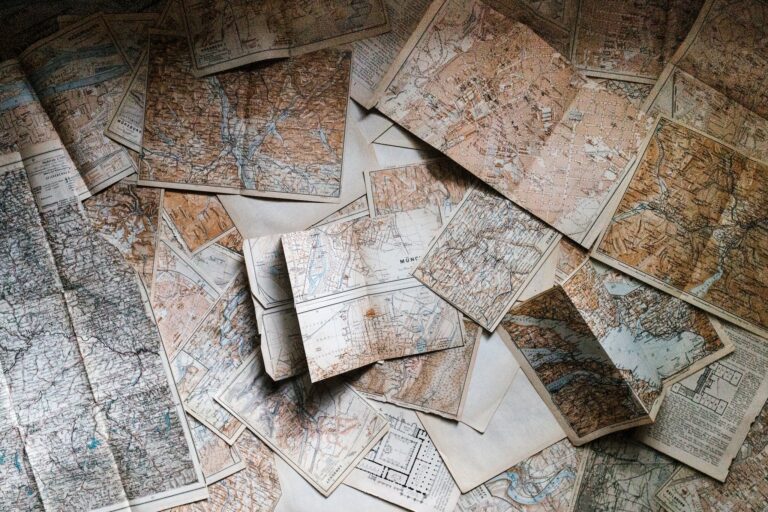
Ephemeral cartographic materials—think tourist maps, event programs with venue layouts, and temporary exhibition guides—face unique preservation challenges that traditional archival methods can’t always solve. You’re dealing with materials that were never meant to last forever, yet they capture moments in geographic and cultural history that deserve protection.
Six proven approaches can help you preserve these fragile pieces of our mapping heritage before they’re lost to time and decay.
Disclosure: As an Amazon Associate, this site earns from qualifying purchases. Thank you!
P.S. check out Udemy’s GIS, Mapping & Remote Sensing courses on sale here…
Understanding Ephemeral Cartographic Materials and Their Preservation Challenges
Ephemeral cartographic materials require specialized preservation approaches that differ significantly from traditional archival methods. You’ll encounter unique deterioration patterns and storage challenges when working with these temporary mapping documents.
Defining Ephemeral Maps and Their Unique Characteristics
Ephemeral maps include tourist brochures, event guides, promotional materials, and temporary wayfinding displays designed for short-term use. These materials typically use lower-grade paper, newsprint, or synthetic substrates that weren’t manufactured for long-term durability. You’ll find they often feature bright inks, adhesive elements, or folding mechanisms that create specific preservation vulnerabilities. Their commercial printing processes prioritize cost-effectiveness over archival quality, resulting in acidic papers and fugitive colorants.
Common Deterioration Factors Affecting Temporary Cartographic Items
Light exposure causes rapid fading of ephemeral map inks, particularly in materials printed with dye-based colorants rather than pigmented inks. You’ll notice that humidity fluctuations accelerate paper brittleness and cause adhesive failures in laminated or mounted specimens. Handling stress from repeated folding creates permanent creases and eventual tears along fold lines. Air pollutants and acidic storage environments compound these issues by breaking down cellulose fibers and causing chemical reactions that yellow or brown the paper substrate over time.
Digitization Techniques for Creating Permanent Digital Archives
Digital preservation offers the most reliable method for protecting ephemeral cartographic materials from further deterioration. Creating high-quality digital archives ensures these fragile materials remain accessible for future research and study.
High-Resolution Scanning Methods for Fragile Map Materials
Flatbed scanning provides the safest approach for most ephemeral maps, using 600-1200 DPI resolution to capture fine details without physical stress. Position materials face-down on glass with weighted edges to prevent curling during scanning. Overhead scanning systems work better for extremely fragile items, allowing you to photograph maps from above without direct contact. Use copy stands with LED lighting at 45-degree angles to minimize shadows and reflections. Book cradle scanners accommodate folded or bound materials like tourist guides, supporting the spine while digitizing individual pages. Always test scanning settings on less valuable samples first, adjusting contrast and color balance to match original appearance accurately.
Metadata Standards for Cataloging Ephemeral Cartographic Collections
Dublin Core metadata standards provide the essential framework for cataloging digital map collections, including title, creator, date, and geographic coverage fields. Record specific details like paper type, printing method, and original dimensions to preserve technical information. Library of Congress Subject Headings help standardize geographic and topical classifications, making collections searchable across institutions. Document provenance information including acquisition source, condition notes, and any restoration history. Geographic coordinates should follow standard formats like decimal degrees or UTM coordinates for spatial searchability. Create consistent file naming conventions using date-location-type formats, such as “1975_Paris_TouristMap_001.tiff” to maintain organization. Include rights management information specifying usage permissions and copyright status for each digitized item.
Environmental Control Methods for Extending Material Lifespan
Environmental factors accelerate the deterioration of ephemeral cartographic materials more rapidly than traditional archival documents. Implementing controlled storage conditions can significantly extend the lifespan of these fragile mapping resources.
Temperature and Humidity Management Systems
Maintain consistent temperature between 65-70°F with relative humidity at 45-50% for optimal preservation conditions. Temperature fluctuations cause paper fibers to expand and contract, leading to warping and cracking in tourist maps and event programs. Install HVAC systems with precise climate control capabilities in storage areas. Use data loggers to monitor conditions continuously and identify problematic fluctuations. Implement gradual acclimatization procedures when moving materials between different environmental zones. Consider portable dehumidifiers for smaller collections or temporary storage situations.
[lasso id=”16121″]
Light Exposure Protection Strategies
Limit light exposure to 5 foot-candles maximum with UV filtration to prevent ink fading and paper deterioration. Ultraviolet radiation breaks down the chemical bonds in ephemeral materials’ low-grade paper and vibrant inks. Install LED lighting systems with adjustable intensity controls in work and storage areas. Apply UV-filtering films to windows and fluorescent fixtures. Store materials in acid-free boxes or drawers to eliminate light exposure during non-use periods. Rotate display items frequently to minimize cumulative light damage. Use light meters to verify illumination levels stay within safe parameters.
[lasso id=”16292″]
Physical Conservation Treatments for Stabilizing Deteriorating Maps
When environmental controls aren’t sufficient to halt deterioration, physical conservation treatments become essential for stabilizing your ephemeral cartographic materials.
Paper Strengthening and Repair Techniques
Japanese tissue paper repairs provide the most effective method for strengthening deteriorating ephemeral maps without compromising their original appearance. You’ll apply thin sheets of long-fiber Japanese tissue using wheat starch paste or methylcellulose adhesive to reinforce tears and weak areas. Consolidation treatments using diluted acrylic polymers like Paraloid B-72 help stabilize brittle paper fibers while maintaining flexibility. For severe deterioration, you can perform leaf-casting procedures that rebuild missing paper areas using cotton or linen pulp matched to the original substrate’s thickness and texture.
[lasso id=”16133″]
Protective Enclosure Solutions
Custom-fitted archival folders made from unbuffered, lignin-free board create stable microclimates that protect your maps from handling damage and environmental fluctuations. You’ll construct these enclosures using pH-neutral materials with calcium carbonate buffering to neutralize acids migrating from the map itself. Polyester film encapsulation provides excellent protection for frequently accessed items, sandwiching maps between sheets of archival polyester sealed along three edges. For extremely fragile materials, you can create rigid supports using archival corrugated board cut to exact dimensions, preventing flexing during storage and transport.
[lasso id=”16431″]
Collaborative Documentation Approaches for Community-Based Preservation
Community-driven preservation efforts multiply your resources and expertise while building stronger connections between ephemeral cartographic materials and their local contexts. These collaborative approaches create sustainable networks that extend beyond individual institutional capabilities.
Crowdsourcing Initiatives for Mapping Ephemeral Materials
Crowdsourcing platforms enable you to engage volunteers in identifying and documenting ephemeral cartographic resources across multiple locations simultaneously. Citizen science projects like MapHist and Cartographic Commons allow community members to photograph, describe, and upload temporary maps they encounter in their daily lives. You’ll find that volunteers often discover materials in unexpected places—from family collections to local businesses displaying vintage promotional maps. Training programs teach participants proper documentation techniques, including standardized photography angles and metadata collection protocols. Online platforms provide structured submission forms that capture essential information about condition, location, and context while maintaining quality control through peer review processes.
Partnership Programs with Local Historical Societies
Historical societies possess deep community knowledge and established networks that complement your technical preservation expertise. Partnership agreements typically involve shared responsibilities where societies contribute local research and outreach while you provide conservation guidance and digital infrastructure. You can establish memorandums of understanding that define roles for material identification, documentation standards, and access protocols. Many societies maintain volunteer networks eager to participate in preservation projects, particularly when materials connect to local history or landmarks. Joint programming opportunities include public scanning events, educational workshops, and traveling exhibitions that showcase preserved ephemeral materials. These partnerships create sustainable funding models through combined grant applications and shared resource allocation.
Specialized Storage Solutions for Long-Term Protection
Professional storage systems create the foundation for successful long-term preservation of ephemeral cartographic materials. These specialized solutions address the unique vulnerabilities of temporary mapping materials through engineered environments and protective housing.
[lasso id=”16024″]
Archival-Quality Housing Materials and Methods
Acid-free storage boxes provide the primary defense against chemical deterioration for your ephemeral maps. You’ll need custom-sized enclosures made from lignin-free corrugated board with a pH between 7.5-8.5 to neutralize acidic compounds. Polyester film sleeves offer additional protection by creating moisture barriers while allowing visual access without handling. Install foam board supports inside folders to prevent creasing and use unbuffered tissue paper for interleaving between delicate items.
[lasso id=”16240″]
Climate-Controlled Repository Design
Dedicated storage rooms maintain consistent environmental conditions essential for preserving ephemeral cartographic materials. You should install HVAC systems capable of maintaining 65°F ±2°F with 45% relative humidity ±3% year-round. Air filtration systems with MERV 13 filters remove particulate matter and gaseous pollutants that accelerate paper degradation. Design storage areas with sealed concrete floors, vapor barriers, and insulated walls to minimize temperature fluctuations that cause expansion and contraction damage.
Conclusion
Preserving ephemeral cartographic materials requires your commitment to multiple preservation strategies working together. You’ll achieve the best results when you combine digital archiving with proper environmental controls and community partnerships.
Your success depends on starting preservation efforts early before deterioration becomes irreversible. Don’t wait until these valuable mapping resources show obvious signs of decay.
Remember that you’re not just saving paper and ink – you’re protecting cultural heritage that tells unique stories about places and times. These materials deserve the same careful attention you’d give to any important historical document.
Take action now by assessing your collection’s immediate needs and implementing the most suitable preservation approach for your situation and resources.
Frequently Asked Questions
What are ephemeral cartographic materials?
Ephemeral cartographic materials are temporary mapping documents like tourist maps, event programs, and promotional materials that weren’t designed for long-term preservation. These items are typically made from lower-grade paper with bright inks and lack the durability of traditional archival maps, making them vulnerable to rapid deterioration from environmental factors.
Why are ephemeral maps important to preserve?
Ephemeral maps serve as valuable historical documents that capture specific moments in time and reflect contemporary understanding of places and events. They provide unique insights into cultural, social, and geographical contexts that traditional maps may not document, making them irreplaceable resources for future research and historical understanding.
What environmental conditions damage ephemeral maps the most?
Light exposure, humidity fluctuations, handling stress, and environmental pollutants are the primary factors causing rapid degradation. These materials deteriorate faster than traditional archival documents due to their lower-quality construction materials. Temperature variations and UV radiation also accelerate the breakdown of inks and paper fibers.
What’s the best way to digitize fragile ephemeral maps?
High-resolution flatbed scanning is recommended for most ephemeral maps, while overhead scanning works better for extremely fragile items. Book cradle scanners are ideal for folded or bound materials. Always use proper metadata standards like Dublin Core framework to catalog digital collections and ensure long-term accessibility and searchability.
What are the optimal storage conditions for ephemeral cartographic materials?
Maintain consistent temperature between 65-70°F and relative humidity at 45-50%. Store materials in acid-free boxes with UV-filtering protection, limiting light exposure to maximum 5 foot-candles. Use polyester film sleeves and custom-fitted archival folders to create stable microclimates and protect against handling damage.
How can communities help preserve ephemeral maps?
Communities can participate through crowdsourcing initiatives on platforms like MapHist and Cartographic Commons, helping identify and document local ephemeral maps. Training programs teach proper documentation techniques, while partnerships with historical societies leverage local knowledge and networks to enhance preservation efforts through joint programming and funding opportunities.
What physical conservation treatments help stabilize deteriorating maps?
Paper strengthening techniques using Japanese tissue paper and diluted acrylic polymers can reinforce fragile materials. Protective enclosure solutions like polyester film encapsulation create stable environments. Professional conservators can perform repairs while maintaining the historical integrity of the original materials through specialized archival methods.
How do you set up proper storage facilities for ephemeral maps?
Design climate-controlled repositories with dedicated HVAC systems maintaining optimal temperature and humidity levels. Install air filtration systems to remove environmental pollutants. Use acid-free storage boxes, archival folders, and ensure proper spacing to prevent compression damage while maintaining consistent environmental conditions.