7 Best Landscape Photography Techniques
You’ve got seconds to capture that perfect sunrise before the golden light disappears. Ephemeral landscapes—those fleeting moments when weather fog mist and light create magical scenes—challenge even experienced photographers to work fast and think faster.
Mastering these brief windows requires specific techniques that go beyond standard landscape photography. You’ll need to anticipate conditions prepare your gear and execute shots with precision when nature’s most dramatic moments unfold.
The seven proven techniques we’ll explore help you consistently capture these elusive scenes that most photographers miss entirely.
Disclosure: As an Amazon Associate, this site earns from qualifying purchases. Thank you!
P.S. check out Udemy’s GIS, Mapping & Remote Sensing courses on sale here…
Master the Art of Golden Hour Photography
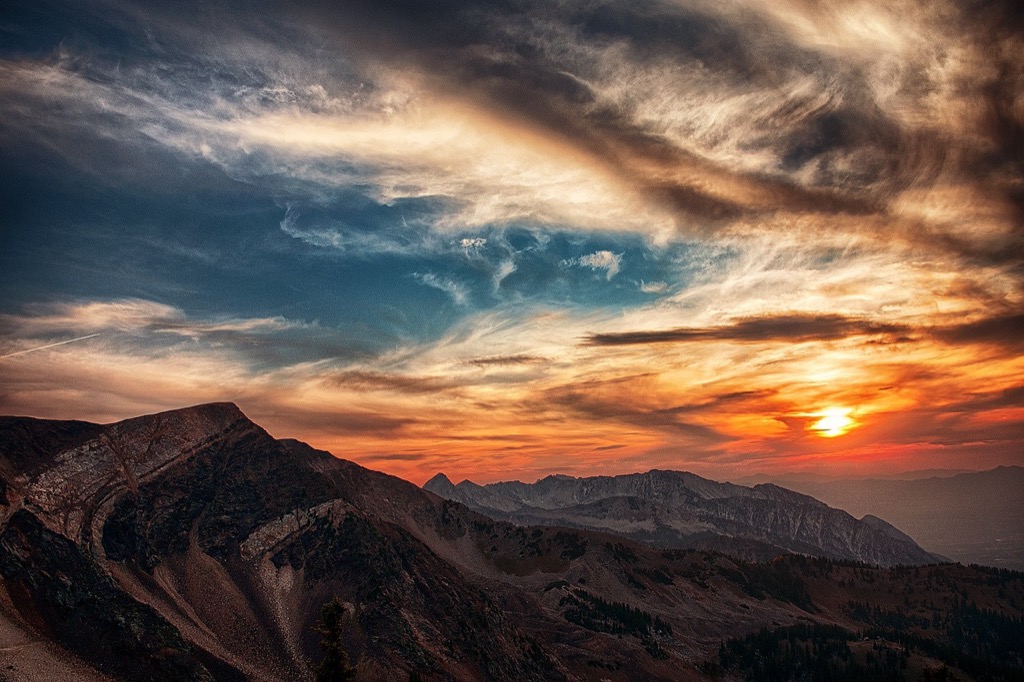
Golden hour photography transforms ephemeral landscapes into breathtaking masterpieces when you harness the warm, diffused light that appears shortly after sunrise and before sunset.
Arrive Early and Stay Late for Optimal Light
Position yourself at your chosen location at least 30 minutes before golden hour begins. You’ll capture the subtle color transitions that occur during blue hour and witness how shadows gradually lengthen across the landscape. The most dramatic lighting often happens in the first 15 minutes after sunrise and the final 15 minutes before sunset. Stay an additional 20-30 minutes after the sun disappears to photograph the afterglow that paints clouds in vibrant purples and magentas.
Use Graduated Neutral Density Filters
[lasso id=”17408″]
Graduated neutral density filters balance the exposure between bright skies and darker foregrounds during golden hour. Choose a 3-stop graduated ND filter for most situations or a 2-stop filter for gentler transitions. Position the filter’s transition line along the horizon to prevent overexposed skies while maintaining detail in shadowed areas. Stack multiple filters when dealing with extremely high contrast scenes like mountainous landscapes or coastal environments where the dynamic range exceeds your camera’s capabilities.
[lasso id=”17467″]
Adjust White Balance for Warm Tones
Set your camera’s white balance to “Daylight” or 5500K to preserve the natural warmth of golden hour light. Auto white balance often neutralizes the golden tones you’re trying to capture by cooling down the image. For enhanced warmth, try the “Cloudy” setting which adds approximately 300K of warmth to your images. Shoot in RAW format to maintain maximum flexibility during post-processing while preserving the original color temperature data for fine-tuning your ephemeral landscape captures.
Embrace Weather Transitions for Dynamic Scenes
Weather transitions create some of the most dramatic ephemeral landscapes you’ll ever encounter. These rapidly changing conditions offer unique lighting opportunities that can transform ordinary scenes into extraordinary captures.
Position Yourself Before Storm Systems Arrive
Scout your location 60-90 minutes before predicted weather changes to secure optimal positioning. Monitor weather radar apps like Weather Underground or NOAA to track approaching fronts and their timing. Set up your tripod and compose your shots while you still have stable conditions, allowing you to focus entirely on capturing the dramatic moments as storms develop. Choose elevated vantage points that offer clear views of approaching weather systems across the horizon.
Capture the Contrast Between Light and Dark
Frame scenes that showcase the stark division between illuminated and shadowed areas during weather transitions. Position yourself to capture sunbeams breaking through stormy skies, creating natural spotlights on the landscape below. Use your camera’s spot metering mode to expose for the brightest areas, preserving detail in highlighted sections while allowing darker storm clouds to remain dramatic. Shoot with a polarizing filter to enhance the contrast between white clouds and dark skies.
[lasso id=”17386″]
Use Fast Shutter Speeds for Moving Clouds
Set your camera to shutter priority mode with speeds of 1/250s or faster to freeze dramatic cloud formations. Fast-moving storm clouds can create blur even at moderate shutter speeds, diminishing the impact of their sculptural shapes. Increase your ISO to 800-1600 if necessary to maintain proper exposure while keeping shutter speeds high. Focus on capturing the crisp edges and textures of clouds as they race across the sky, creating dynamic compositions that convey the energy of changing weather.
Utilize Long Exposure Techniques for Motion Blur
Long exposure photography transforms ephemeral landscapes by capturing movement over extended periods, creating ethereal effects that convey the passage of time. You’ll achieve stunning results by allowing moving elements like clouds, water, and vegetation to blur while keeping stationary features sharp.
Invest in Quality Neutral Density Filters
Neutral density filters reduce light entering your lens without affecting color balance, enabling longer exposures during bright conditions. You’ll need 6-stop or 10-stop filters for dramatic cloud movement during daylight hours. Circular polarizing filters combined with ND filters help eliminate reflections from water surfaces while extending exposure times. Variable ND filters offer flexibility but may introduce color casts in extreme settings, so you should test your specific filter before critical shoots.
Experiment with Different Exposure Times
Different exposure durations create distinct visual effects in your ephemeral landscape captures. You’ll achieve subtle cloud streaking with 30-second exposures, while 2-4 minute exposures produce dramatic cloud trails across the entire frame. Water requires shorter exposures – try 1-5 seconds for silky waterfalls and 15-30 seconds for mirror-like lake surfaces. Longer exposures of 10+ minutes can completely smooth choppy seas and create supernatural atmospheric effects that emphasize the fleeting nature of your scene.
Stabilize Your Camera with a Sturdy Tripod
Sturdy tripod support becomes critical when shooting exposures lasting several minutes in changing weather conditions. You’ll need carbon fiber legs and a robust ball head capable of supporting your camera’s weight plus wind resistance. Weight your tripod with your camera bag or use built-in hooks to prevent vibrations during long exposures. Remote shutter releases or intervalometers eliminate camera shake from manual triggering, while mirror lock-up mode reduces internal vibrations that could blur your ephemeral landscape captures.
[lasso id=”16870″]
Focus on Seasonal Changes and Natural Cycles
Nature’s ephemeral beauty follows predictable patterns throughout the year. Timing your shoots around these natural cycles maximizes your chances of capturing landscapes at their most dramatic moments.
Plan Shoots Around Peak Foliage Times
Track autumn color progression using foliage websites like FoliageNetwork.com or SmokyMountains.com that provide weekly updates on leaf conditions. Visit your chosen locations during multiple stages of color change to capture the full transformation process. Schedule shoots 7-10 days apart to document the gradual shift from green to peak colors. Arrive during early morning hours when dewdrops enhance leaf textures and colors appear more saturated in soft light.
Document Ice Formation and Melting Patterns
Monitor temperature fluctuations using weather apps to predict optimal ice photography conditions during winter months. Scout frozen waterfalls and ice formations during sub-freezing periods when structures remain stable for longer exposures. Return to the same locations during spring thaw to capture dramatic melting patterns and flowing water breaking through ice barriers. Use polarizing filters to reduce glare from ice surfaces and enhance the contrast between frozen and liquid water elements.
Capture Wildflower Blooms at Their Peak
Research local wildflower calendars and botanical guides to identify peak blooming periods for specific species in your area. Visit meadows and fields during early morning hours when flowers remain fresh and dew creates natural highlights on petals. Document different elevation zones during spring as flowers bloom progressively from lower to higher altitudes over several weeks. Use macro techniques to capture individual blooms while maintaining awareness of the broader landscape context for compelling compositions.
Implement High-Speed Photography for Fleeting Moments
High-speed photography captures ephemeral landscapes at their most dynamic, freezing split-second moments that transform ordinary scenes into extraordinary images. You’ll need to master camera settings and timing techniques to document these rapidly changing moments.
Use Burst Mode for Rapid-Fire Shooting
Activate burst mode to capture multiple frames per second when photographing rapidly changing landscapes. Your camera’s continuous shooting mode fires at rates between 5-12 frames per second, depending on your model.
Select the fastest burst rate available on your camera to maximize your chances of capturing the perfect moment. Most mirrorless cameras offer 10+ fps, while DSLRs typically provide 6-8 fps in continuous mode.
[lasso id=”17524″]
Hold down the shutter button throughout the entire sequence you’re documenting. You’ll capture subtle variations in cloud formations, water movement, or wildlife behavior that occur within seconds.
Anticipate Natural Events Like Wave Crashes
Position yourself 15-20 feet from the water’s edge to capture wave crashes without risking your equipment. Observe wave patterns for 5-10 minutes to identify the timing between larger waves.
Watch for wave sets that typically arrive every 7-14 waves, as these often produce the most dramatic crashes. Count the sequence and prepare your camera settings before the anticipated larger wave arrives.
Pre-focus your lens on the rocks or shoreline where waves will break. Use single-point autofocus and switch to manual focus after achieving sharp focus to prevent hunting during the critical moment.
Adjust ISO Settings for Proper Exposure
Set your ISO between 400-1600 to maintain fast shutter speeds while preserving image quality. Higher ISOs enable shutter speeds of 1/500s or faster, essential for freezing motion in ephemeral landscapes.
Use Auto ISO with a maximum limit of 3200 to let your camera adjust exposure automatically while maintaining acceptable noise levels. Set your minimum shutter speed to 1/250s for most moving subjects.
Monitor your histogram during shooting to ensure proper exposure without clipping highlights or shadows. Adjust your ISO compensation if needed to maintain detail in both bright skies and darker landscape elements.
Apply Focus Stacking for Sharp Foreground Details
Focus stacking creates tack-sharp images from foreground to background by combining multiple exposures taken at different focus points. This technique proves essential when photographing ephemeral landscapes where both intricate foreground elements and distant subjects demand crystal-clear detail.
Take Multiple Images at Different Focus Points
Capture your initial frame focused on the nearest foreground element you want sharp in your composition. Move the focus point incrementally deeper into the scene for each subsequent shot, ensuring 30-50% overlap between focus zones. Take 5-8 images for most landscape scenes, extending to 12-15 frames when photographing complex foreground textures like ice formations or detailed rock structures that define ephemeral moments.
Use Specialized Software for Seamless Blending
Download specialized focus stacking software like Helicon Focus or Zerene Stacker to automatically align and blend your captured frames. These programs analyze each image’s sharpest areas and combine them into a single composite with enhanced depth of field. Adobe Photoshop’s Auto-Blend Layers function provides an alternative solution, though dedicated stacking software typically produces superior results with fewer artifacts in challenging lighting conditions common during ephemeral landscape photography.
Maintain Consistent Exposure Settings
Lock your camera’s exposure settings in manual mode before beginning your focus stacking sequence to prevent brightness variations between frames. Use identical aperture, shutter speed, and ISO values for every shot in the series. Set your aperture between f/8-f/11 for optimal lens sharpness while maintaining adequate depth of field overlap. Consistent exposure ensures seamless blending and prevents exposure differences that could create visible seams in your final stacked image.
Develop Quick Decision-Making and Composition Skills
Ephemeral landscape photography demands split-second decisions that can make or break your shot. You’ll need to develop an intuitive approach to composition while maintaining technical precision under pressure.
Practice Pre-Visualizing Your Shots
Visualize your final image before arriving at a location by studying topographic maps and satellite imagery to understand terrain features. Scout potential compositions using apps like PhotoPills or Sun Surveyor to predict light angles and shadow patterns throughout the day. Create mental templates for different scenarios – sunrise shots, storm approaches, or mist formations – so you can quickly adapt your composition when conditions change. Practice visualizing how foreground elements will interact with dramatic skies or changing light conditions.
[lasso id=”16313″]
Learn to Work Efficiently Under Time Pressure
Streamline your workflow by creating a standard 30-second setup routine that includes tripod positioning, camera mounting, and initial settings adjustment. Prioritize your shots by identifying the most critical moment first – whether it’s peak color intensity or optimal light conditions. Practice switching between different focal lengths quickly using prime lenses or memorizing zoom positions on your lens barrel. Develop muscle memory for common adjustments like exposure compensation and focus point selection to avoid fumbling with controls during fleeting moments.
Master Manual Camera Settings for Speed
Memorize exposure combinations for common lighting scenarios – such as f/8, 1/125s, ISO 400 for overcast conditions or f/11, 1/60s, ISO 200 for bright situations. Use manual mode exclusively during ephemeral moments to maintain consistent exposure as light changes rapidly across your frame. Set custom function buttons for frequently adjusted settings like ISO, white balance, and metering modes to avoid diving into menu systems. Practice adjusting settings without looking at your camera by developing tactile familiarity with control dials and button positions.
Conclusion
Mastering ephemeral landscape photography requires dedication and practice but the rewards are extraordinary. You’ll find that each technique builds upon the others creating a comprehensive approach to capturing nature’s most fleeting moments.
The key to success lies in preparation and adaptability. By combining technical skills with quick decision-making you’ll be ready when those magical moments unfold before your lens.
Remember that failure is part of the learning process. Every missed shot teaches you something valuable about timing conditions and your equipment’s capabilities.
Start implementing these techniques gradually rather than attempting all seven at once. Focus on one or two methods until they become second nature then expand your skillset.
Your patience and persistence will pay off when you capture that perfect ephemeral moment that others simply walked past.
Frequently Asked Questions
When is the best time to photograph golden hour landscapes?
Golden hour occurs shortly after sunrise and before sunset, providing warm, diffused light that transforms landscapes. Arrive at your location at least 30 minutes before golden hour begins to capture subtle color transitions. Stay late to photograph the afterglow, which can create equally stunning scenes after the sun disappears.
What camera settings work best for golden hour photography?
Set your white balance to “Daylight” or “Cloudy” to preserve the natural warmth of golden hour light. Shoot in RAW format for maximum flexibility in post-processing. Use graduated neutral density filters to balance exposure between bright skies and darker foregrounds, ensuring both elements are properly exposed.
How can I capture dramatic weather transitions in landscapes?
Scout locations 60-90 minutes before predicted weather changes and monitor weather radar apps for precise timing. Use spot metering to preserve detail when framing scenes with illuminated areas against stormy skies. Employ fast shutter speeds of 1/250s or faster to freeze moving clouds, increasing ISO if necessary.
What equipment do I need for long exposure landscape photography?
Invest in quality neutral density filters to reduce light entering your lens during bright conditions. Use a sturdy carbon fiber tripod for stability and a remote shutter release to minimize vibrations. These tools allow you to capture movement over extended periods, creating ethereal effects with clouds and water.
How do I plan shoots around seasonal changes?
Track autumn color progression through foliage websites and schedule visits during various stages of color change. Monitor temperature fluctuations to document ice formation and melting patterns in winter and spring. Research local wildflower blooming calendars to capture peak bloom times for maximum impact.
What is focus stacking and when should I use it?
Focus stacking combines multiple exposures taken at different focus points to create sharp images from foreground to background. Capture several images with incremental focus adjustments, ensuring overlap between focus zones. Use specialized software like Helicon Focus or Zerene Stacker to blend images seamlessly while maintaining consistent exposure settings.
How can I improve my quick decision-making for ephemeral moments?
Practice pre-visualizing shots by studying topographic maps and using apps to predict light angles and shadow patterns. Develop a standard setup routine and memorize exposure combinations for common lighting scenarios. Set custom function buttons for frequently adjusted settings and master manual camera controls for faster response times.
What burst mode settings help capture dynamic landscape moments?
Use burst mode to take multiple frames per second, maximizing your chances of capturing the perfect shot during fleeting moments like wave crashes. Position yourself strategically, such as 15-20 feet from water’s edge, and anticipate natural events by observing patterns. Maintain ISO settings between 400-1600 for fast shutter speeds.