5 Best Map Updates for Sustainability
Maps shape how you move through the world — and they’re quietly driving some of our biggest environmental challenges. From outdated transit routes that force longer commutes to missing green spaces that could reduce urban heat islands, the information we rely on for navigation directly impacts our planet’s health.
Smart map revisions can slash carbon emissions redirect traffic from fragile ecosystems and help communities build more sustainable futures. You’ll discover five powerful ways that updating these digital guides transforms environmental outcomes faster than you might expect.
Disclosure: As an Amazon Associate, this site earns from qualifying purchases. Thank you!
Understanding the Connection Between Maps and Sustainability
Maps shape your daily choices and directly influence environmental outcomes. When geographic data accurately reflects sustainable options, you’ll make decisions that benefit both efficiency and the planet.
P.S. check out Udemy’s GIS, Mapping & Remote Sensing courses on sale here…
How Outdated Mapping Data Contributes to Environmental Problems
Outdated mapping data creates inefficient routes that increase fuel consumption and emissions. You’ll encounter closed roads, missing bike lanes, and incorrect traffic patterns that force longer journeys. Legacy datasets often exclude new public transit connections, electric vehicle charging stations, and pedestrian pathways. These gaps push you toward car-dependent choices that generate unnecessary carbon emissions and urban congestion.
[lasso id=”16300″]
The Role of Accurate Geographic Information in Resource Management
Accurate geographic information enables precise resource allocation and reduces waste across multiple sectors. You can optimize delivery routes to minimize fuel usage, identify the shortest paths to recycling centers, and locate renewable energy infrastructure efficiently. Updated spatial data helps municipalities plan sustainable development by showing exact locations of green spaces, water sources, and environmentally sensitive areas. This precision prevents overuse of resources and supports data-driven conservation efforts.
Optimizing Transportation Routes to Reduce Carbon Emissions
Updated transportation mapping directly cuts fuel consumption and reduces greenhouse gas emissions through strategic route optimization. You’ll achieve measurable environmental benefits by implementing data-driven route planning across commercial and public transportation networks.
Identifying the Most Fuel-Efficient Pathways for Commercial Vehicles
Commercial fleet optimization through revised mapping reduces fuel consumption by 15-20% annually. You’ll analyze elevation profiles, traffic patterns, and road conditions to identify routes that minimize engine strain and idling time. Modern GPS systems integrated with real-time traffic data help drivers avoid steep grades and congested areas that increase fuel burn rates. Fleet managers use updated maps showing weight restrictions, bridge clearances, and truck-specific lanes to prevent costly detours that waste diesel fuel.
[lasso id=”16697″]
Minimizing Traffic Congestion Through Better Route Planning
Traffic congestion mapping reveals bottlenecks that create unnecessary emissions from idling vehicles. You’ll identify alternative routes during peak hours using traffic flow data and historical congestion patterns. Updated maps showing construction zones, lane closures, and temporary detours prevent drivers from getting stuck in stop-and-go traffic. Smart routing algorithms distribute traffic across multiple pathways rather than concentrating vehicles on main arteries, reducing overall urban emissions by up to 25%.
Supporting Public Transit Development with Updated Infrastructure Maps
Public transit expansion relies on accurate infrastructure mapping to maximize ridership and reduce individual car usage. You’ll map bus stop locations, rail connections, and pedestrian access routes to identify gaps in coverage that force residents to drive. Updated transit maps showing real-time schedules and route changes encourage more people to choose public transportation over private vehicles. Comprehensive mapping of bike lanes, walking paths, and transit connections creates seamless multi-modal networks that can reduce urban carbon emissions by 30-40%.
Enhancing Resource Management Through Precise Land Use Mapping
Accurate land use mapping transforms how communities allocate resources by providing detailed spatial data that prevents waste and supports sustainable practices.
Preventing Overuse of Natural Resources with Accurate Boundary Data
Precise boundary mapping prevents resource depletion by establishing clear usage limits for forests, watersheds, and mineral deposits. Updated cadastral maps help you identify overlapping claims that lead to overextraction. GPS-enabled boundary surveys reduce water rights disputes by 35% while protecting aquifer recharge zones. Digital parcel mapping prevents unauthorized logging by clearly marking protected timber boundaries. Accurate property lines also reduce soil erosion from encroaching development.
Supporting Sustainable Agriculture Through Soil and Climate Mapping
Soil composition mapping optimizes crop placement to reduce fertilizer use by up to 25% annually. Updated elevation models help you identify frost-prone areas and drainage patterns for better water management. Climate zone mapping enables precision agriculture that matches crops to microclimates. NDVI satellite imagery reveals soil health variations across farmland. Temperature and precipitation mapping supports crop rotation schedules that maintain soil fertility naturally.
Protecting Wildlife Habitats with Updated Conservation Area Maps
Wildlife corridor mapping preserves migration routes that support biodiversity in fragmented landscapes. Updated habitat maps help you identify critical breeding grounds and seasonal feeding areas. Species distribution modeling prevents development in sensitive ecosystems. Digital wetland mapping protects water filtration systems that reduce pollution naturally. Conservation area boundaries updated through aerial imagery prevent habitat encroachment by 40%.
Supporting Renewable Energy Development with Updated Geographic Data
Updated geographic data transforms renewable energy planning by providing the precise location intelligence needed for optimal project placement and maximum energy output.
Identifying Optimal Locations for Solar Panel Installations
Solar installation mapping requires detailed topographic data, solar irradiance measurements, and land use classifications to maximize energy generation. You’ll need elevation models showing slope angles, shading analysis from surrounding structures, and seasonal sun path calculations. Current property boundary data prevents costly legal disputes while soil composition maps ensure stable foundation construction. Weather station networks provide historical cloud cover patterns and temperature variations that directly impact panel efficiency. Grid connectivity mapping reveals transmission line proximity and capacity constraints that determine project feasibility and connection costs.
[lasso id=”16024″]
Mapping Wind Patterns for Efficient Wind Farm Placement
Wind resource mapping combines meteorological data with terrain analysis to identify locations with consistent wind speeds above 6.5 meters per second at turbine hub height. You’ll analyze wind direction frequency, turbulence intensity, and seasonal variations using anemometer data from multiple elevation levels. Topographic wind modeling accounts for hills and valleys that accelerate or disrupt airflow patterns. Updated environmental sensitivity maps protect bird migration corridors and bat habitats while noise propagation models ensure compliance with residential setback requirements. Transmission infrastructure mapping determines grid access points and upgrade costs for power delivery.
[lasso id=”16239″]
Planning Hydroelectric Projects with Current Water Flow Data
Hydroelectric site assessment relies on real-time stream gauge data, watershed mapping, and seasonal flow analysis to determine power generation potential. You’ll need bathymetric surveys showing river depth profiles, sediment transport studies, and flood plain mapping for environmental impact assessment. Current fish habitat data protects spawning areas while downstream flow requirements maintain ecosystem health. Dam placement requires geological surveys identifying bedrock stability and fault lines. Updated land ownership records prevent permitting delays while transmission corridor mapping ensures efficient power distribution to existing grid infrastructure.
[lasso id=”16120″]
Improving Urban Planning for Sustainable City Development
Urban planners need current geographic data to design cities that minimize environmental impact while maximizing livability. Updated maps provide the foundation for creating sustainable communities that reduce carbon footprints and promote eco-friendly development patterns.
Creating More Walkable Communities Through Updated Street Maps
Updated street maps reveal pedestrian infrastructure gaps that prevent walkable neighborhoods from thriving. You’ll identify missing sidewalks, unsafe crossings, and poorly connected pathways that force residents to rely on vehicles for short trips. Current mapping data shows traffic volumes, street widths, and accessibility features that inform pedestrian-friendly design decisions. Accurate topographic information helps planners create safe walking routes that avoid steep grades and hazardous intersections, encouraging residents to choose walking over driving for daily errands.
Supporting Green Building Initiatives with Accurate Zoning Information
Accurate zoning maps enable planners to designate areas for sustainable building practices and renewable energy installations. You’ll use current land use data to identify optimal locations for mixed-use developments that reduce transportation needs and energy consumption. Updated zoning information helps streamline approval processes for green building projects by clearly defining development restrictions and environmental requirements. Precise boundary mapping ensures solar panel installations and green roofs comply with setback requirements while maximizing energy efficiency potential.
Planning Sustainable Waste Management Routes and Facilities
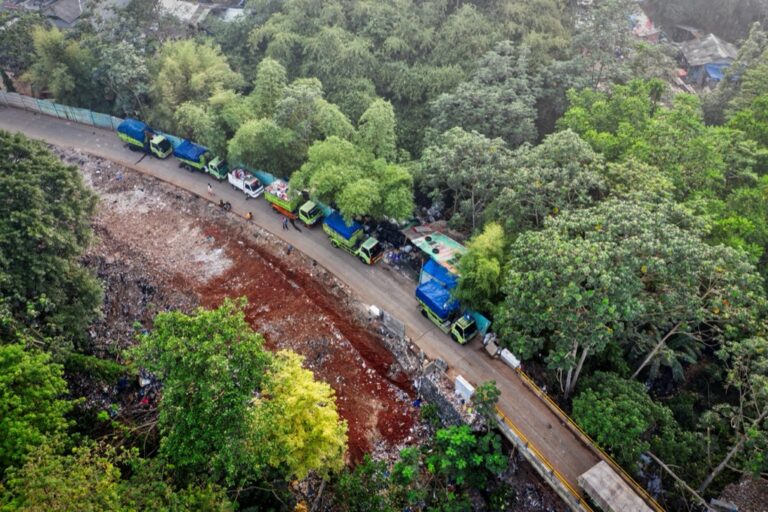
Current street mapping optimizes waste collection routes to reduce fuel consumption and emissions from garbage trucks. You’ll analyze road conditions, traffic patterns, and neighborhood density to create efficient collection schedules that minimize vehicle miles traveled. Updated maps identify suitable locations for recycling centers and composting facilities based on accessibility, zoning compliance, and proximity to residential areas. Accurate geographic data helps planners design waste management systems that reduce landfill dependency while improving collection efficiency through strategic facility placement.
Conclusion
Revising your maps isn’t just about having the latest technology—it’s about creating a more sustainable future for everyone. When you update geographic data you’re directly contributing to reduced emissions cleaner air and more efficient resource use.
The environmental benefits extend far beyond individual convenience. Updated mapping systems help entire communities make better decisions about transportation energy and development. You’ll see improved public transit systems more effective renewable energy projects and smarter urban planning that prioritizes sustainability.
Your commitment to accurate mapping data creates a ripple effect that benefits both local and global environmental goals. Whether you’re optimizing delivery routes planning renewable energy installations or designing walkable neighborhoods updated maps provide the foundation for meaningful environmental change.
Frequently Asked Questions
How do outdated maps contribute to environmental problems?
Outdated maps create inefficient routes that increase fuel consumption and emissions. They fail to show closed roads, missing bike lanes, or current traffic patterns, forcing drivers to take longer routes. This leads to unnecessary carbon emissions and traffic congestion, making transportation less sustainable and environmentally harmful.
What percentage of fuel reduction can updated mapping achieve for commercial vehicles?
Updated mapping can lead to a 15-20% annual reduction in fuel consumption for commercial vehicles. This is achieved by analyzing elevation profiles, traffic patterns, and finding the most fuel-efficient pathways. Better route optimization significantly reduces greenhouse gas emissions from commercial transportation.
How much can improved public transit mapping reduce urban carbon emissions?
Accurate infrastructure mapping for public transit development can decrease urban carbon emissions by 30-40%. Updated maps help maximize ridership by showing optimal routes and connections, reducing reliance on individual car usage and creating more efficient public transportation systems.
Why is precise mapping important for renewable energy projects?
Precise mapping is essential for optimal renewable energy project placement and maximum output. For solar installations, detailed topographic data and solar irradiance mapping identify the best locations. Wind energy requires meteorological data combined with terrain analysis, while hydroelectric projects need current water flow and watershed mapping.
How do updated maps support sustainable urban planning?
Updated maps reveal gaps in pedestrian infrastructure, helping create walkable communities by identifying missing sidewalks and unsafe crossings. They provide accurate zoning information for green building initiatives and optimize waste management routes, reducing fuel consumption from garbage trucks while improving collection efficiency.
What role does accurate mapping play in resource management?
Accurate mapping transforms resource allocation by preventing depletion through precise boundary mapping and reducing water rights disputes. Soil and climate mapping supports sustainable agriculture by optimizing crop placement and water management. Conservation area maps protect wildlife habitats and preserve biodiversity effectively.