6 Best 3D Weather Mapping Techniques
Weather visualization is getting a major upgrade. Traditional 2D maps are giving way to sophisticated 3D mapping techniques that transform how you understand atmospheric conditions. These immersive tools reveal weather patterns in ways that flat maps simply can’t match.
You’ll discover six cutting-edge approaches that meteorologists and data scientists use to bring weather data to life. From volumetric rendering of storm systems to interactive climate models you can manipulate in real-time these techniques offer unprecedented insights into atmospheric behavior.
Whether you’re a weather enthusiast looking to understand complex systems or a professional seeking better visualization tools these 3D mapping ideas will change how you see the sky above.
Disclosure: As an Amazon Associate, this site earns from qualifying purchases. Thank you!
P.S. check out Udemy’s GIS, Mapping & Remote Sensing courses on sale here…
Understanding the Fundamentals of 3D Weather Mapping Technology
Three-dimensional weather mapping transforms atmospheric data into interactive visual models that reveal weather patterns across multiple elevation levels. This technology enables you to analyze complex meteorological phenomena by displaying temperature gradients, pressure systems, and moisture content in a spatially accurate three-dimensional environment.
Core Components of Three-Dimensional Weather Visualization
Volumetric rendering engines process atmospheric data layers to create immersive weather models. You’ll need specialized software like ParaView or VAPOR to handle large meteorological datasets effectively. Spatial interpolation algorithms calculate weather values between measurement points, ensuring smooth transitions across your 3D model. Real-time processing systems update weather visualizations continuously, allowing you to track storm development and atmospheric changes as they occur.
Essential Data Sources for Accurate Weather Mapping
Weather balloon radiosondes provide vertical atmospheric profiles including temperature, humidity, and wind speed at various altitudes. You can access this data through NOAA’s upper-air observations network. Doppler radar systems deliver precipitation intensity and wind velocity measurements in three-dimensional space. Satellite imagery offers cloud cover, surface temperature, and atmospheric moisture content across vast geographic areas. Ground-based weather stations supply surface-level meteorological data that anchors your 3D models to actual conditions.
[lasso id=”7257″]
Utilizing LiDAR and Radar Integration for Enhanced Weather Detection
Combining LiDAR and radar technologies creates a comprehensive atmospheric sensing network that captures detailed weather patterns across multiple dimensions. This integration approach delivers unprecedented accuracy in tracking precipitation, cloud formations, and atmospheric turbulence.
Combining Ground-Based and Satellite Radar Systems
Ground-based radar networks provide high-resolution data within 200-kilometer coverage areas while satellite systems offer global atmospheric monitoring capabilities. You’ll achieve optimal weather detection by synchronizing NEXRAD Doppler radar stations with GOES-16 satellite feeds through data fusion algorithms. This combination eliminates blind spots in mountainous terrain and coastal regions where ground-based systems struggle. Processing time-stamped radar returns from both sources creates seamless 3D precipitation maps with sub-kilometer resolution.
Processing LiDAR Point Cloud Data for Atmospheric Analysis
LiDAR point clouds capture atmospheric particles and aerosols at millimeter-scale precision through backscatter analysis of laser pulses. You can extract cloud base heights, visibility measurements, and particulate density distributions using specialized software like CloudCompare or custom Python scripts. Processing millions of LiDAR returns requires filtering algorithms that separate atmospheric signals from ground clutter and noise. Real-time atmospheric LiDAR systems generate over 10,000 measurements per second, enabling dynamic tracking of fog banks, dust storms, and pollution plumes.
Implementing Machine Learning Algorithms for Predictive Weather Modeling
Machine learning transforms 3D weather mapping by enabling predictive modeling that anticipates atmospheric changes before they occur. You’ll leverage advanced algorithms to process complex meteorological datasets and generate accurate forecasts that enhance traditional visualization techniques.
Training Neural Networks on Historical Weather Patterns
Deep learning models excel at identifying complex atmospheric relationships within decades of historical weather data. You’ll feed neural networks temperature gradients, precipitation records, and pressure variations from multiple elevation levels to establish predictive baselines. Recurrent neural networks (RNNs) particularly shine when processing sequential weather data, learning temporal patterns that traditional algorithms miss. Training datasets should span at least 10-15 years of high-resolution observations to capture seasonal variations and extreme weather events effectively.
Real-Time Data Processing and Pattern Recognition
Streaming analytics platforms enable your machine learning models to process incoming weather data continuously and identify emerging patterns within minutes. You’ll implement computer vision algorithms that analyze satellite imagery streams, detecting cloud formation patterns and storm development in real-time. Edge computing solutions reduce latency by processing data locally at weather stations before transmitting insights to your 3D mapping system. Pattern recognition algorithms can flag unusual atmospheric conditions automatically, triggering alerts when weather models detect developing severe weather systems.
Creating Interactive Volumetric Weather Visualizations
Interactive volumetric visualizations transform static weather data into dynamic 3D experiences that users can manipulate and explore. These advanced interfaces allow real-time navigation through atmospheric layers while revealing complex weather patterns hidden in traditional 2D displays.
Building Web-Based 3D Weather Interface Tools
Web-based volumetric interfaces leverage WebGL and Three.js frameworks to deliver high-performance atmospheric visualizations directly in browsers. You’ll create interactive controls that let users rotate storm systems, adjust opacity levels for different atmospheric layers, and slice through weather volumes at specific altitudes. Modern web technologies like WebAssembly enable real-time processing of large meteorological datasets while maintaining smooth frame rates across desktop and mobile platforms.
Developing Mobile Applications for Weather Exploration
Mobile weather exploration apps utilize device sensors and touch interfaces to create immersive atmospheric experiences on smartphones and tablets. You’ll implement gesture-based navigation systems that respond to pinch-to-zoom, swipe gestures, and device tilting for intuitive 3D weather model manipulation. Cross-platform development frameworks like Unity or React Native enable deployment across iOS and Android while integrating GPS location services for personalized local weather volume rendering.
[lasso id=”5695″]
Exploring Augmented Reality Applications in Weather Forecasting
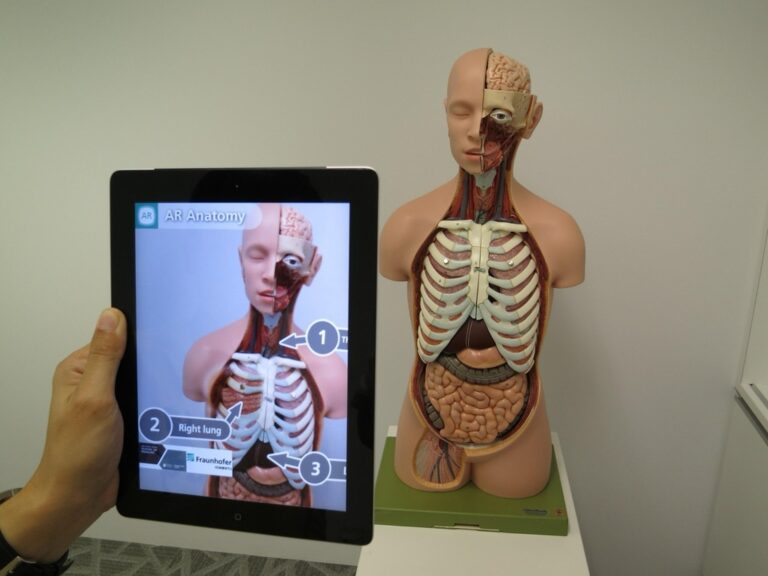
Augmented reality transforms weather forecasting by overlaying digital atmospheric data onto real-world environments. You’ll discover how AR creates immersive experiences that bridge the gap between complex meteorological information and practical understanding.
Overlaying Real-Time Weather Data on Physical Environments
Overlay weather data directly onto your physical surroundings using AR applications like WindyAR and Weather Reality. You can point your device at the sky to see wind patterns, precipitation intensity, and temperature gradients superimposed on your actual environment. Smart glasses display real-time barometric pressure changes while you walk outdoors. Mobile AR frameworks like ARCore and ARKit enable developers to create custom weather overlays that track cloud movements and storm systems above your location.
[lasso id=”16714″]
Creating Immersive Weather Education Experiences
Create interactive learning environments where students manipulate virtual weather systems in their classroom space. AR applications like Metaverse Studio allow you to place 3D tornadoes, hurricane models, and atmospheric layers that students can walk around and examine. Educational platforms integrate haptic feedback controllers that let learners feel temperature changes and wind resistance. Virtual weather stations appear on desks, displaying real atmospheric measurements while students conduct experiments with digital instruments that respond to actual environmental conditions.
[lasso id=”16672″]
Integrating Multi-Sensor Data Fusion for Comprehensive Weather Analysis
Multi-sensor data fusion combines information from diverse weather monitoring systems to create comprehensive atmospheric models. This integration approach maximizes data accuracy while filling coverage gaps that single-source systems can’t address.
Combining Satellite, Ground Station, and IoT Sensor Networks
Satellite data provides global coverage through instruments like GOES-16’s Advanced Baseline Imager, capturing temperature and moisture profiles across large geographic areas. Ground stations deliver high-resolution measurements through automated weather stations and radiosondes, offering precise local atmospheric conditions every 12 hours. IoT sensor networks contribute real-time data from thousands of distributed devices, including personal weather stations and agricultural sensors that monitor microclimates. You’ll achieve optimal weather mapping by weighting each data source based on its spatial resolution and temporal frequency, with satellite data handling broad patterns while ground and IoT sensors provide detailed local variations.
[lasso id=”16073″]
Standardizing Data Formats for Seamless Integration
NetCDF format serves as the primary standard for atmospheric data exchange, supporting multidimensional arrays and metadata preservation across different sensor types. WMO BUFR encoding handles observational data from weather stations and radiosondes, ensuring consistent formatting for real-time processing systems. HDF5 containers store large satellite datasets with hierarchical organization, enabling efficient access to specific atmospheric layers or time periods. You’ll need data conversion pipelines using tools like CDO (Climate Data Operators) and GDAL to transform proprietary sensor formats into standardized structures, while implementing quality control algorithms that flag inconsistent measurements across different data sources before fusion processing begins.
Conclusion
These six 3D weather mapping techniques represent the future of meteorological visualization. You now have access to cutting-edge tools that can transform how you interpret and interact with atmospheric data.
Whether you’re a professional meteorologist or weather enthusiast you’ll find these technologies offer unprecedented insights into complex weather systems. The combination of real-time processing machine learning and immersive visualization creates opportunities for more accurate forecasting and deeper understanding.
Your next step is choosing which technique aligns best with your specific needs and technical capabilities. Start experimenting with these approaches and you’ll discover new ways to explore the dynamic world of atmospheric science.
Frequently Asked Questions
What is 3D weather mapping and how does it differ from traditional weather visualization?
3D weather mapping transforms atmospheric data into interactive visual models that display weather patterns across multiple elevation levels. Unlike traditional 2D maps that show surface conditions, 3D mapping provides an immersive view of atmospheric layers, allowing users to explore weather systems in three dimensions. This advanced visualization reveals complex storm structures, cloud formations, and atmospheric behavior that aren’t visible in flat weather maps.
What are the core components needed for 3D weather visualization?
The essential components include volumetric rendering engines for creating 3D atmospheric displays, specialized software capable of handling large meteorological datasets, spatial interpolation algorithms that ensure smooth transitions between data points, and real-time processing systems for continuous updates. These components work together to transform raw weather data into interactive three-dimensional models that accurately represent atmospheric conditions.
Which data sources are most important for accurate 3D weather mapping?
Key data sources include weather balloon radiosondes that measure atmospheric conditions at various altitudes, Doppler radar systems for tracking precipitation and wind patterns, satellite imagery providing global atmospheric coverage, and ground-based weather stations collecting surface conditions. These diverse sources collectively enhance the precision and reliability of 3D weather models by providing comprehensive atmospheric data.
How do LiDAR and radar technologies enhance weather mapping accuracy?
LiDAR and radar create a comprehensive atmospheric sensing network that captures detailed weather patterns with unprecedented accuracy. Ground-based radar networks provide high-resolution local data, while satellite systems offer global monitoring capabilities. Data fusion algorithms optimize weather detection by combining these technologies, and LiDAR point cloud data enables precise measurements of cloud base heights and particulate density distributions.
What role does machine learning play in 3D weather mapping?
Machine learning transforms weather mapping through predictive modeling that anticipates atmospheric changes using advanced algorithms. Neural networks trained on decades of historical weather data identify complex atmospheric relationships, with recurrent neural networks (RNNs) being particularly effective for processing sequential meteorological data. This enhances traditional visualization by providing more accurate forecasts and pattern recognition capabilities.
Can 3D weather visualizations be accessed on mobile devices?
Yes, mobile applications utilize device sensors and touch interfaces for immersive weather exploration. These apps implement gesture-based navigation and cross-platform frameworks, making 3D weather data accessible on smartphones and tablets. Users can interact with atmospheric layers, manipulate storm systems, and explore weather patterns through intuitive touch controls designed specifically for mobile interfaces.
How does augmented reality enhance weather forecasting?
AR overlays digital atmospheric data onto real-world environments, creating immersive experiences that enhance understanding of meteorological information. Applications like WindyAR and Weather Reality allow users to visualize real-time weather data such as wind patterns and temperature gradients directly in their surroundings. This technology is particularly valuable in education, enabling students to interact with virtual weather systems.
What is multi-sensor data fusion in weather analysis?
Multi-sensor data fusion combines information from various weather monitoring systems including satellites, ground stations, and IoT sensor networks to create more accurate atmospheric models. Each source contributes unique strengths, and standardized data formats like NetCDF and WMO BUFR ensure seamless integration. This comprehensive approach provides a complete picture of weather conditions and enhances mapping reliability.